
Your Read is on the Way
Every Story Matters
Every Story Matters
The Hydropower Boom in Africa: A Green Energy Revolution Africa is tapping into its immense hydropower potential, ushering in an era of renewable energy. With monumental projects like Ethiopia’s Grand Ethiopian Renaissance Dam (GERD) and the Inga Dams in the Democratic Republic of Congo, the continent is gearing up to address its energy demands sustainably while driving economic growth.
Northern Kenya is a region rich in resources, cultural diversity, and strategic trade potential, yet it remains underutilized in the national development agenda.

Can AI Help cure HIV AIDS in 2025

Why Ruiru is Almost Dominating Thika in 2025

Mathare Exposed! Discover Mathare-Nairobi through an immersive ground and aerial Tour- HD

Bullet Bras Evolution || Where did Bullet Bras go to?
For several years, the Kenyan shilling faced steady depreciation pressure driven by rising debt obligations, import dependence, and global currency volatility. Yet in recent months, the narrative has shifted. Instead of sliding unpredictably, the shilling has maintained a relatively stable position against major global currencies.
This stability has surprised both analysts and businesses that had grown accustomed to planning for continuous exchange-rate weakening. Importers are finding pricing more predictable. Investors are watching with renewed interest. Even households are noticing that inflation pressure tied to currency depreciation has slowed compared to earlier periods.
The question now is not whether the stability exists—but what is sustaining it.
One of the most important drivers behind the shilling’s stability has been improved foreign currency inflows into Kenya’s financial system. Export earnings, diaspora remittances, and international financial support have collectively increased the availability of dollars within the market.
Diaspora remittances in particular have become a powerful stabilizing force. These transfers now represent one of the country’s most reliable foreign-exchange sources, often outperforming traditional sectors such as tourism in consistency. The steady arrival of foreign currency reduces pressure on the exchange rate by ensuring supply keeps pace with demand.
When dollar availability improves, panic-driven currency movements tend to disappear.
Another major factor supporting the shilling has been the increasingly proactive role played by monetary authorities. Instead of reacting late to market volatility, policymakers have adopted tighter liquidity management strategies designed to protect currency stability before pressure builds.
Through interest-rate adjustments and market interventions, regulators have signaled a strong commitment to preventing sharp depreciation cycles. These signals alone can influence investor behavior by strengthening confidence in the currency’s long-term direction.
Currency stability often depends as much on perception as on policy—and recent decisions have strengthened both.
Currency markets respond quickly to sovereign debt risks. In earlier periods, large upcoming repayments created uncertainty about whether the country would need urgent dollar purchases to meet obligations.
However, improved debt-management strategies and successful restructuring approaches have eased those concerns. As repayment fears declined, speculation against the shilling weakened.
This shift did not eliminate external debt pressure entirely, but it significantly reduced the perception of immediate vulnerability—something currency traders watch closely.
Import demand plays a major role in shaping exchange-rate movements. When businesses import large volumes of goods, they require more foreign currency, which increases pressure on the local unit.
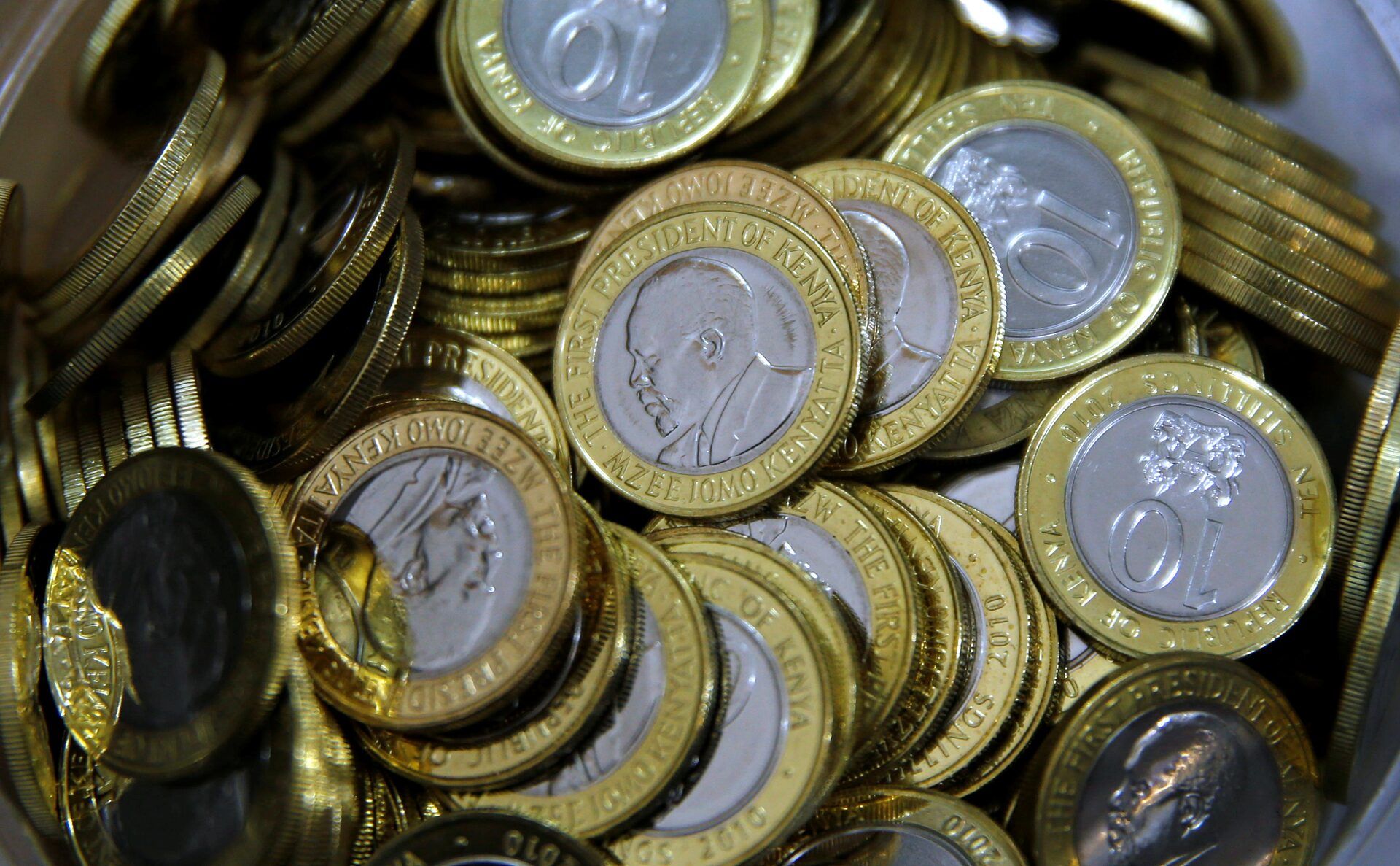
In recent months, slower import growth—partly influenced by cautious business expansion and changing consumption patterns—has reduced demand for dollars. This shift has helped stabilize the exchange rate by balancing the currency market more effectively than in previous years.
Less demand for foreign exchange often translates directly into stronger local currency performance.
Stability in the exchange rate is also a signal to investors. When a currency stops moving unpredictably, it becomes easier to plan long-term investments and manage risk exposure.
This renewed predictability is encouraging both domestic and international investors to reconsider opportunities within the country’s financial markets. Treasury instruments, infrastructure financing, and private-sector partnerships benefit significantly when currency volatility declines.
Confidence, once restored, becomes one of the strongest defenders of exchange-rate stability.
Government spending patterns also shape currency movements. When fiscal policy becomes more controlled and borrowing strategies appear more structured, markets respond positively.
Recent adjustments in expenditure priorities and revenue collection strategies have contributed to the perception that macroeconomic management is becoming more disciplined. That perception reduces speculative pressure on the currency and strengthens expectations of stability.
In currency markets, credibility is often as powerful as cash reserves.
Exchange-rate movements are never determined by domestic factors alone. Changes in global commodity prices, shifts in interest-rate expectations in major economies, and investor appetite for emerging markets all influence currency performance.
Recent adjustments in international financial conditions have helped reduce some of the external shocks that previously weakened the shilling. As global pressure eased slightly, the currency gained space to stabilize.
This external breathing room arrived at a critical moment.
Although the shilling’s recent performance reflects improved resilience, currency stability is never permanent. External debt obligations, energy import costs, and global market volatility remain influential risks that could still affect exchange-rate behavior.
However, the difference today is that the currency is no longer reacting defensively to every economic signal. Instead, it is responding within a more structured policy environment supported by stronger foreign-exchange inflows and improved investor sentiment.
That shift represents progress.
Whether the stability continues will depend on how consistently these supporting conditions are maintained in the months ahead.





0 comments