
Your Read is on the Way
Every Story Matters
Every Story Matters
The Hydropower Boom in Africa: A Green Energy Revolution Africa is tapping into its immense hydropower potential, ushering in an era of renewable energy. With monumental projects like Ethiopia’s Grand Ethiopian Renaissance Dam (GERD) and the Inga Dams in the Democratic Republic of Congo, the continent is gearing up to address its energy demands sustainably while driving economic growth.
Northern Kenya is a region rich in resources, cultural diversity, and strategic trade potential, yet it remains underutilized in the national development agenda.

Can AI Help cure HIV AIDS in 2025

Why Ruiru is Almost Dominating Thika in 2025

Mathare Exposed! Discover Mathare-Nairobi through an immersive ground and aerial Tour- HD

Bullet Bras Evolution || Where did Bullet Bras go to?
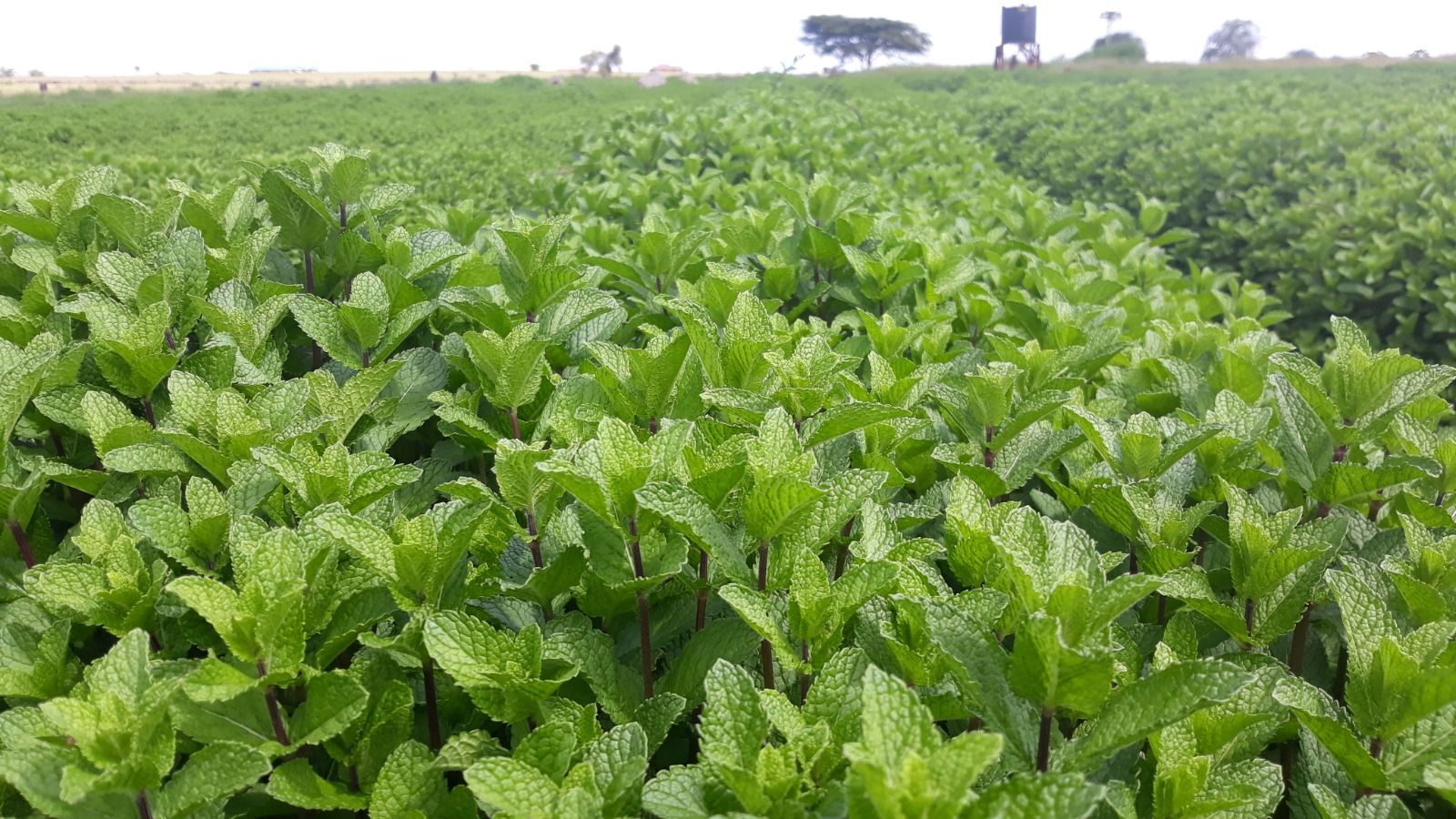
The Mint Phenomenon in Kenya
Mint, known scientifically as Mentha, is a fast-growing herb renowned for its refreshing aroma and myriad uses. In Kenya, particularly in regions like Kiambu, Laikipia, and Nakuru, farmers are discovering mint's potential as a high-value crop.
Joseph Kang'ethe of Ndenderu, Kiambu County, transitioned from traditional vegetable farming to mint cultivation in 2015. Similarly, John Mburi from Laikipia County shifted from maize to mint after attending the Nairobi Agricultural Show. On just a quarter-acre, Mburi harvested 5,400 kg of mint, earning over KES 1 million in his first season .
Economic Viability
Mint's profitability is evident in its yield and market prices. A well-managed acre can produce up to 7,000 kg of fresh leaves annually. With prices ranging from KES 50 to KES 100 per kilogram, farmers can earn between KES 350,000 to KES 700,000 per acre .
Moreover, mint's quick growth cycle—ready for harvest in 90 days—and its ability to regenerate after cutting allow for multiple harvests yearly, ensuring a steady income stream.
Market Demand and Uses
Mint's versatility fuels its demand across various sectors:
Culinary: Used in teas, salads, and as a garnish.
Medicinal: Known for its digestive and anti-inflammatory properties.
Cosmetic: Incorporated into toothpaste, lotions, and perfumes.
Aromatherapy: Utilized for its soothing scent and therapeutic benefits.
Kenyan farmers supply mint to local markets, restaurants, and herbal clinics. Export opportunities also exist, with dried mint and essential oils in demand in the U.S., Canada, and the U.K.
Agronomic Benefits
Beyond its economic allure, mint offers agronomic advantages:
Pest Deterrent: Its strong aroma repels pests, reducing the need for chemical pesticides.
Soil Health: Mint's deep roots improve soil structure and fertility.
Pollinator Attraction: Its flowers attract bees and butterflies, enhancing biodiversity.
Weed Suppression: Dense foliage inhibits weed growth, minimizing competition for resources.
Challenges and Mitigation
Despite its benefits, mint farming isn't without challenges:
Pests and Diseases: Susceptible to aphids, spider mites, and mint rust.
Market Access: Fluctuating demand and limited access to high-value markets can affect profitability.
Input Costs: High-quality seeds and irrigation systems require initial investment.
Farmers are adopting integrated pest management, forming cooperatives for better market access, and exploring value addition—like producing mint oil and teas—to enhance profitability.
The Future of Mint Farming in Kenya
As global demand for natural and organic products rises, Kenyan mint farmers are well-positioned to capitalize on this trend. With support from agricultural extension services, access to quality inputs, and investment in processing facilities, mint farming can become a cornerstone of sustainable agriculture in Kenya.






0 comments