
Your Read is on the Way
Every Story Matters
Every Story Matters
The Hydropower Boom in Africa: A Green Energy Revolution Africa is tapping into its immense hydropower potential, ushering in an era of renewable energy. With monumental projects like Ethiopia’s Grand Ethiopian Renaissance Dam (GERD) and the Inga Dams in the Democratic Republic of Congo, the continent is gearing up to address its energy demands sustainably while driving economic growth.
Northern Kenya is a region rich in resources, cultural diversity, and strategic trade potential, yet it remains underutilized in the national development agenda.

Can AI Help cure HIV AIDS in 2025

Why Ruiru is Almost Dominating Thika in 2025

Mathare Exposed! Discover Mathare-Nairobi through an immersive ground and aerial Tour- HD

Bullet Bras Evolution || Where did Bullet Bras go to?
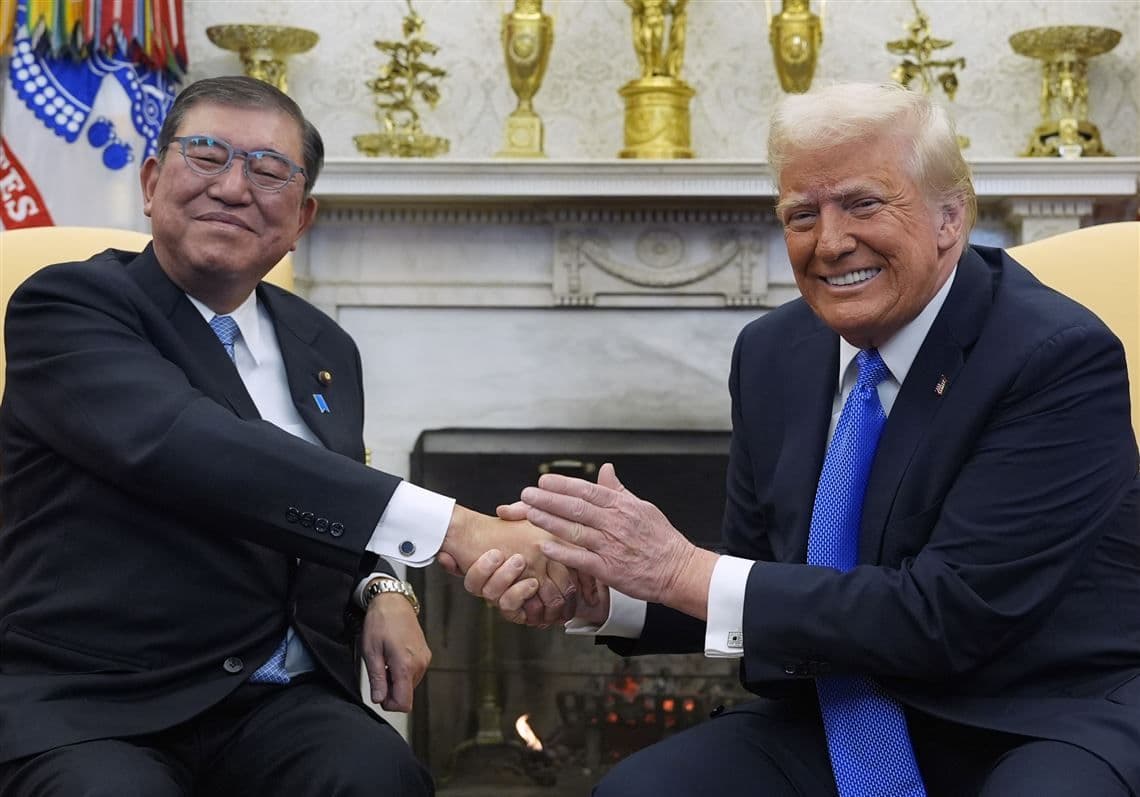
In a major shift with far-reaching economic implications, President Donald Trump has formally endorsed a strategic partnership between U.S. Steel and Japan-based Nippon Steel. The decision signals a redefined approach to foreign investment in critical industries—balancing economic revitalization with uncompromising protection of national interests.
While earlier skepticism surrounded the potential foreign influence on America’s iconic steelmaker, the final approval rests on strict oversight and embedded security guarantees.
This grants the U.S. government decisive control over specific matters, including strategic operational decisions, company headquarters location, and leadership appointments. Such measures are aimed at shielding the domestic steel industry from geopolitical vulnerabilities while maintaining full transparency and accountability.
The agreement guarantees that U.S. Steel will retain its headquarters in Pittsburgh, that all strategic decisions will be vetted for national interest, and that senior management will remain American-led. The symbolic and practical implications of this provision reinforce the administration’s insistence on sovereignty and economic independence.
Under the terms of the partnership, Nippon Steel is expected to inject approximately $11 billion into U.S.-based operations by the year 2028. This capital will be directed toward modernizing existing manufacturing plants, expanding infrastructure, and constructing new state-of-the-art facilities. These upgrades are projected to bolster domestic production capacity, enhance competitiveness, and foster sustainable innovation in the steel industry.
Early estimates suggest the overall investment could rise above $14 billion, with thousands of new jobs anticipated over the coming years. This reflects a strong alignment with the administration’s economic agenda focused on job creation, industrial rejuvenation, and increased American output.
An essential component of the partnership agreement is the protection of American workers. All existing union agreements are to be upheld, and there are strict stipulations to preserve local employment. This has been framed as a win for the American labor force, with the goal of ensuring that the benefits of the deal translate into tangible socioeconomic improvements across affected regions.
Furthermore, the initiative includes a wide-scale housing and insurance support mechanism for workers, aligning industrial development with broader welfare goals. This mirrors the administration’s commitment to comprehensive economic development rather than isolated industrial gain.
The arrangement falls under stringent federal oversight mechanisms, ensuring that any deviation from agreed terms can trigger immediate corrective action. A designated interagency committee has been tasked with long-term monitoring, compliance reviews, and risk mitigation.
This steel partnership is not merely transactional—it is emblematic of a broader doctrine that encourages international collaboration without compromising national sovereignty. It reflects a calibrated willingness to welcome foreign capital under tight protective conditions that prioritize American interests above all else.





0 comments