
Your Read is on the Way
Every Story Matters
Every Story Matters
The Hydropower Boom in Africa: A Green Energy Revolution Africa is tapping into its immense hydropower potential, ushering in an era of renewable energy. With monumental projects like Ethiopia’s Grand Ethiopian Renaissance Dam (GERD) and the Inga Dams in the Democratic Republic of Congo, the continent is gearing up to address its energy demands sustainably while driving economic growth.
Northern Kenya is a region rich in resources, cultural diversity, and strategic trade potential, yet it remains underutilized in the national development agenda.

Can AI Help cure HIV AIDS in 2025

Why Ruiru is Almost Dominating Thika in 2025

Mathare Exposed! Discover Mathare-Nairobi through an immersive ground and aerial Tour- HD

Bullet Bras Evolution || Where did Bullet Bras go to?
For decades, China’s economic growth has been fueled by exports, making it the world’s factory and a dominant force in global trade. However, as economic conditions shift, Beijing is no longer relying solely on its traditional markets. The trade war with the United States, coupled with supply chain disruptions and changing global demand patterns, has forced China to rethink its approach. Instead of merely reacting to external pressures, the country is proactively reshaping its trade strategy to ensure long-term sustainability. While headline figures suggest a slowdown in exports, this shift is part of a calculated transition that prioritizes stability over short-term gains.
With Western tariffs squeezing Chinese exports, Beijing is aggressively forging new trade partnerships to bypass economic restrictions. Latin America, Africa, and Southeast Asia have emerged as key destinations for Chinese goods, offering untapped potential and eager markets. Agreements with Middle Eastern nations have strengthened China’s presence in the energy and infrastructure sectors, while economic cooperation with Eastern Europe is opening up new opportunities for technology exports.
This strategic realignment ensures that China is not overly dependent on any single region, reducing its vulnerability to external economic shocks. By diversifying its trade network, China is securing access to crucial markets that will support its long-term economic ambitions. Moreover, initiatives like the Belt and Road Initiative continue to cement Beijing’s influence across developing economies, creating trade corridors that not only serve China’s immediate needs but also establish long-term economic dependencies.
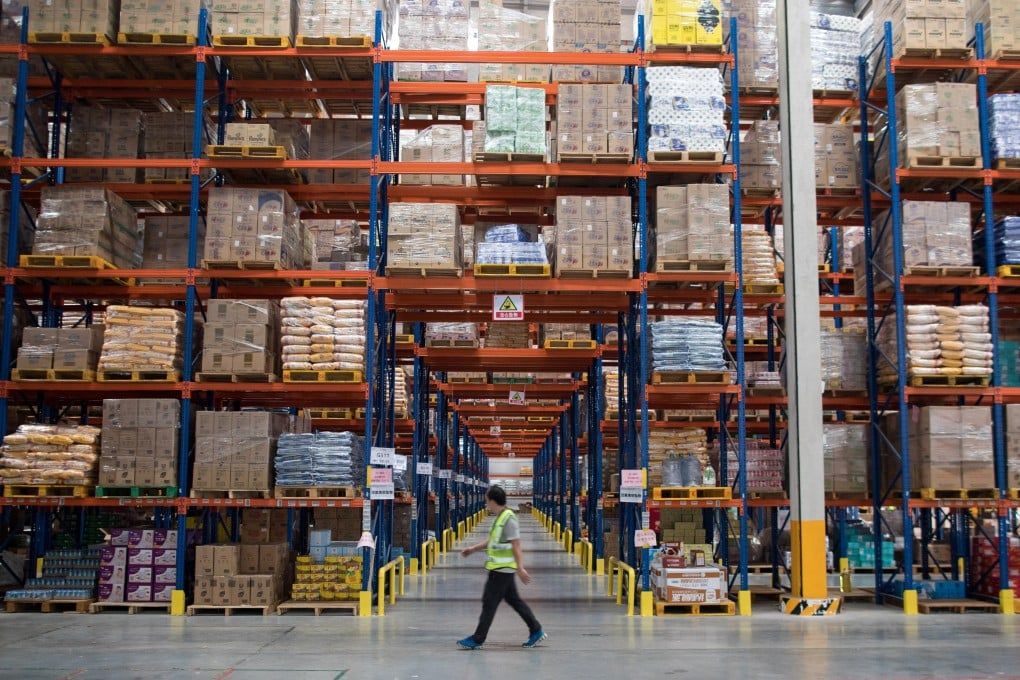
Recognizing the potential risks of an export-heavy economy, China is doubling down on domestic consumption as a buffer against global trade uncertainties. Government policies are being tailored to encourage Chinese consumers to spend more, particularly in sectors that were previously reliant on international demand. Retail, technology, and electric vehicle industries have seen increased government support, while targeted incentives are driving middle-class spending.
This shift toward self-sufficiency is not just a reactionary measure. It is a strategic move designed to insulate China from external economic pressures. A strong domestic market ensures that economic activity remains robust even if international demand falters. With the rise of China’s middle class, the country has a growing consumer base that can sustain key industries, reducing dependence on foreign buyers. The long-term vision is clear. China is building an economy that is as powerful internally as it is externally.
Beijing’s economic evolution is not just about finding new trade partners or boosting internal consumption. It is about leading the future of global industry. Traditional exports like textiles and basic consumer goods are no longer the core focus. Instead, China is channeling its resources into high-tech sectors, including artificial intelligence, electric vehicles, robotics, and renewable energy. These industries are not only in high demand but also difficult for other nations to replicate on a large scale, giving China a competitive edge.

Government-backed research initiatives and subsidies are fueling rapid advancements in these fields, allowing China to dominate industries that will define the next generation of global trade. By focusing on high-value goods rather than low-cost manufacturing, Beijing is ensuring that its exports remain competitive even in a world with rising tariffs and trade restrictions. In the long run, this transition will shift the balance of economic power, positioning China as a leader in cutting-edge industries rather than merely a producer of mass-market goods.
China’s evolving trade strategy is reshaping global economic structures. While some may interpret recent export slowdowns as a sign of weakness, the reality is far more complex. The country is not retreating. It is adapting. By diversifying its markets, strengthening domestic consumption, and leading in high-tech exports, China is laying the foundation for a more resilient economic future.
The traditional dominance of Western economies in dictating trade rules is slowly eroding. With China’s influence spreading across emerging markets and its technological leadership solidifying, the global trade order is undergoing a fundamental transformation. The world is witnessing a new era where economic power is not just measured by trade surpluses but by a nation’s ability to control the industries of the future. And in this new game, China is ensuring it remains several steps ahead.






0 comments