
Your Read is on the Way
Every Story Matters
Every Story Matters
The Hydropower Boom in Africa: A Green Energy Revolution Africa is tapping into its immense hydropower potential, ushering in an era of renewable energy. With monumental projects like Ethiopia’s Grand Ethiopian Renaissance Dam (GERD) and the Inga Dams in the Democratic Republic of Congo, the continent is gearing up to address its energy demands sustainably while driving economic growth.
Northern Kenya is a region rich in resources, cultural diversity, and strategic trade potential, yet it remains underutilized in the national development agenda.

Can AI Help cure HIV AIDS in 2025

Why Ruiru is Almost Dominating Thika in 2025

Mathare Exposed! Discover Mathare-Nairobi through an immersive ground and aerial Tour- HD

Bullet Bras Evolution || Where did Bullet Bras go to?
A Glimmer of Hope for Asian Markets
After a rocky start to the year, Asian stock markets showed early signs of recovery, fueled by hopes of economic revitalization across the region. Optimism around rebounding manufacturing sectors, expanding exports, and consumer spending in key countries sparked brief rallies. Investors were initially encouraged, thinking that these positive indicators could pave the way for sustained growth in the months ahead. Despite this, the overall market mood remains tempered, especially as investors remain cautious, unsure if the momentum can be maintained in the face of looming challenges.
While some markets in Asia are witnessing incremental growth, the region’s economic outlook remains clouded by a lingering issue—trade tensions. These tensions are largely linked to the tariffs and trade policies introduced during the Trump administration, which still hold considerable weight in shaping the global economic landscape. Although the new U.S. administration has altered some policies, the foundation laid by Trump’s protectionist stance continues to affect how nations approach trade, especially when it comes to high-stakes relations with the U.S. and China.
The Shadow of Trump's Tariffs
One of the most pressing concerns among investors is the uncertain future of tariffs that were a hallmark of Trump’s economic approach. These tariffs, which targeted key trading partners such as China and other Asian nations, disrupted long-standing trade patterns. The trade war, which escalated over the course of Trump’s presidency, left deep scars in the global trade system, and while some tariffs were softened or removed after his tenure, many remain in place.
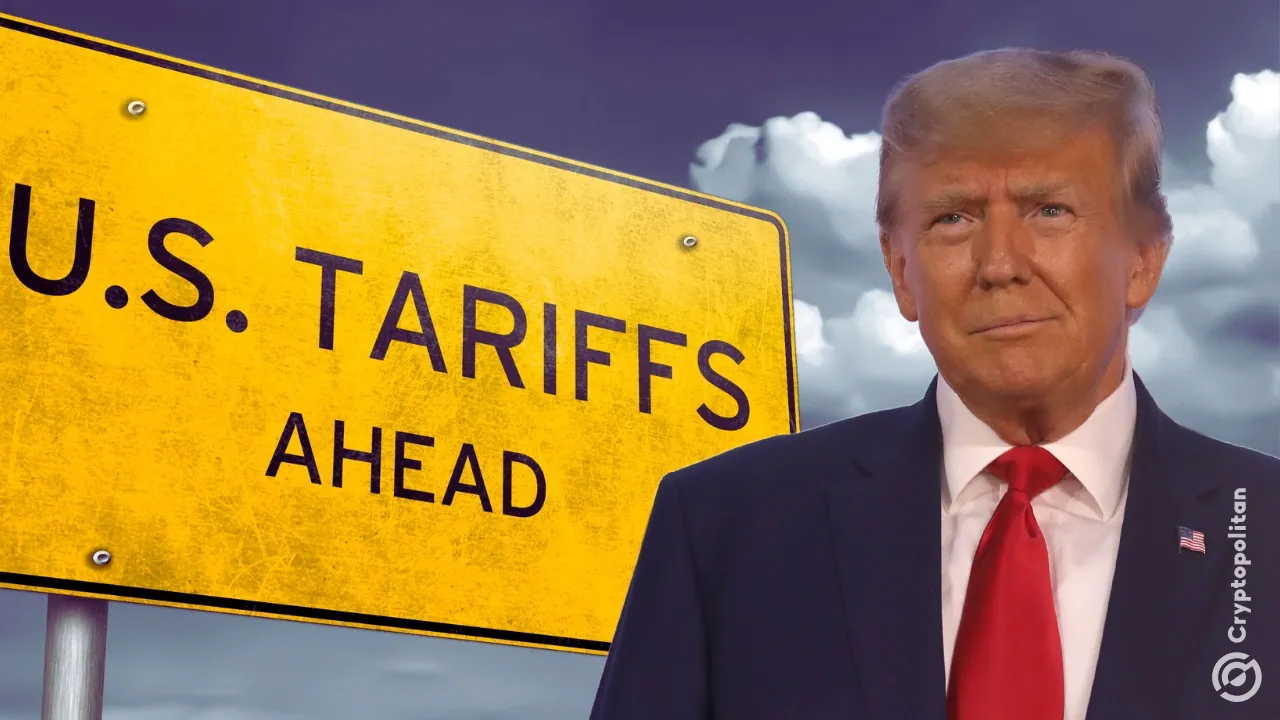
This ongoing situation creates a tense backdrop for Asian markets. Countries like China, Japan, and South Korea, whose economies are deeply intertwined with international trade, face potential setbacks. The possibility of new or reinstated tariffs, particularly if U.S. policies become more aggressive, could stifle economic recovery and make it difficult for these nations to fully regain their growth trajectory. Furthermore, the uncertainty surrounding U.S. policy—whether tariffs will remain or new barriers will be imposed—leaves investors with little clarity, dampening market sentiment.
Geopolitical Tensions and Market Volatility
In the broader global context, trade tensions continue to be a significant factor in shaping investor strategies. As Asia's economies attempt to recover from the global disruptions caused by the pandemic, the threat of renewed tariffs looms large. Should these trade disputes escalate once again, it could not only affect Asian nations but also ripple out, causing volatility in global markets.
The impact of tariff wars goes beyond just the immediate effects on trade. These geopolitical tensions undermine business confidence and create an environment where long-term investments are difficult to predict. In Asia, where manufacturing and export sectors play a crucial role in economic stability, the uncertainty surrounding tariffs makes it harder for companies to plan for the future. This unpredictability leads to heightened volatility in the stock markets, as investors are unsure of how political events in the U.S. or other parts of the world will influence trade relations and economic growth.
Navigating the Uncertainty: Investor Caution and Strategy

Given these concerns, many investors are approaching the Asian market with increased caution. The initial optimism that fueled the early recovery is now tempered by the reality of potential political and economic risks. Investors are taking a more measured approach, looking for opportunities to diversify their portfolios and spread out their risks.
In times of geopolitical instability, it’s common for investors to lean toward safer assets, such as gold or bonds, which are seen as less vulnerable to trade-related volatility. However, even within the Asian markets, investors are being selective, focusing on sectors that may be less affected by tariff battles or that can potentially thrive despite the uncertainties. Emerging markets, technology stocks, and industries that are less reliant on international trade are all being closely watched as potential areas for growth.
Ultimately, the question remains: Can Asia maintain its recovery amidst the ongoing risk of trade disputes and tariffs? As the global economic landscape continues to shift, the answer to that question may depend on the political choices made in Washington, as well as how effectively Asian markets can adapt to the unpredictable forces shaping international trade.






0 comments