
Your Read is on the Way
Every Story Matters
Every Story Matters
The Hydropower Boom in Africa: A Green Energy Revolution Africa is tapping into its immense hydropower potential, ushering in an era of renewable energy. With monumental projects like Ethiopia’s Grand Ethiopian Renaissance Dam (GERD) and the Inga Dams in the Democratic Republic of Congo, the continent is gearing up to address its energy demands sustainably while driving economic growth.
Northern Kenya is a region rich in resources, cultural diversity, and strategic trade potential, yet it remains underutilized in the national development agenda.

Can AI Help cure HIV AIDS in 2025

Why Ruiru is Almost Dominating Thika in 2025

Mathare Exposed! Discover Mathare-Nairobi through an immersive ground and aerial Tour- HD

Bullet Bras Evolution || Where did Bullet Bras go to?
Mounting Loan Defaults Trigger Action
Kenya’s banking sector is currently navigating a stormy financial period as loan defaults among individual borrowers and businesses climb to alarming levels. The sharp rise in unpaid loans has left financial institutions with limited options, prompting a more aggressive stance on debt recovery. The ripple effects are beginning to impact not only the banking ecosystem but also the broader economy, especially sectors that rely heavily on credit to thrive.
In recent months, the level of Non-Performing Loans (NPLs) has surged to record highs. This growing credit distress is not isolated to a few defaulters—it spans across personal loans, commercial borrowing, real estate financing, and even agricultural credit lines. Banks, caught in a tightrope of maintaining liquidity while balancing regulatory compliance, have now shifted their focus from lending to recovering.
Why Are Kenyans Struggling to Repay Loans?
Several factors are to blame for the growing inability of borrowers to honor their loan obligations. First, inflation has outpaced wage growth, reducing real household income and making it difficult for individuals to meet their monthly repayments. Second, the cost of living continues to rise sharply due to fuel price hikes, taxation burdens, and depreciating currency, further squeezing consumers.
For businesses, the situation is compounded by erratic supply chains, delayed payments from both government and private clients, and declining consumer spending. Contractors who depend on state infrastructure projects have faced long payment delays, choking their cash flow and making it difficult to service their debt.
Industries Under the Microscope
Banks are now closely monitoring key sectors where defaults have hit hardest. Among these, the personal and household segment has become the most vulnerable, drawing significant attention from lenders. Individuals with unsecured loans, credit card debt, or salary advances are now under increased scrutiny.
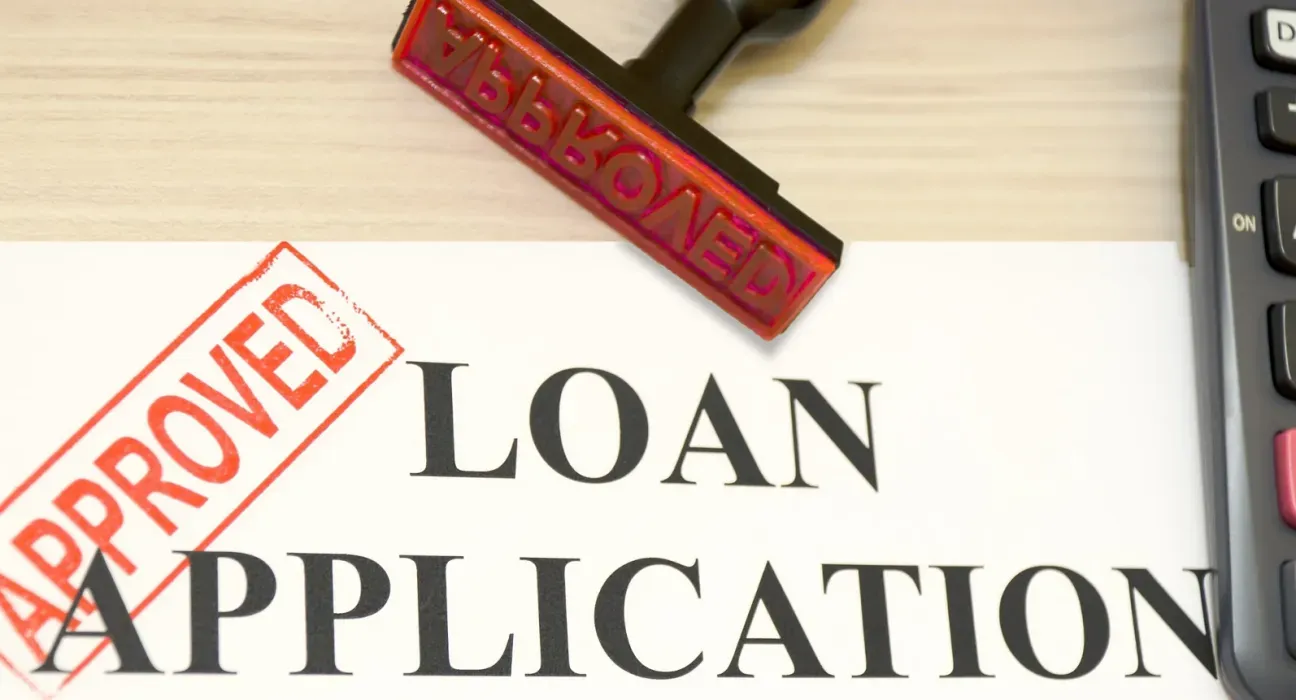
Trade and real estate are also at the top of the list. Many retail traders and wholesalers have reported poor turnover due to weak demand, while the real estate market is grappling with oversupply, high interest rates, and stagnating sales. Building and construction, manufacturing, transport, and agriculture are not far behind in terms of loan exposure, with banks signaling heightened recovery efforts across all these sectors.
A Shift in Tactics: Recovery Over Relationships
Traditionally, banks maintained a cordial relationship with borrowers, preferring renegotiations and restructuring over asset seizures. That tone is changing. Financial institutions have begun to implement stricter repayment terms, issue more default notices, and in some cases, initiate asset repossession processes.
This new posture is designed to plug financial leaks quickly. Properties, vehicles, machinery, and even agricultural land are now at risk of being auctioned off as banks seek to recover lost funds. The message from lenders is clear: leniency has limits, and compliance is no longer optional.
Technology as a Recovery Tool
Banks are also leveraging technology to track, trace, and pressure defaulters. With most borrowers linked to mobile wallets, digital credit scores, and integrated payment histories, lenders have better visibility on repayment behavior. Some have even begun using automated reminders, digital debt collectors, and third-party recovery firms to ensure their messages are received.
There is also a noticeable uptick in the listing of defaulters with credit reference bureaus, which limits their future access to credit and creates reputational and operational constraints. This strategy is meant not just to punish but to encourage compliance before legal proceedings are initiated.
Economic Repercussions and the Road Ahead
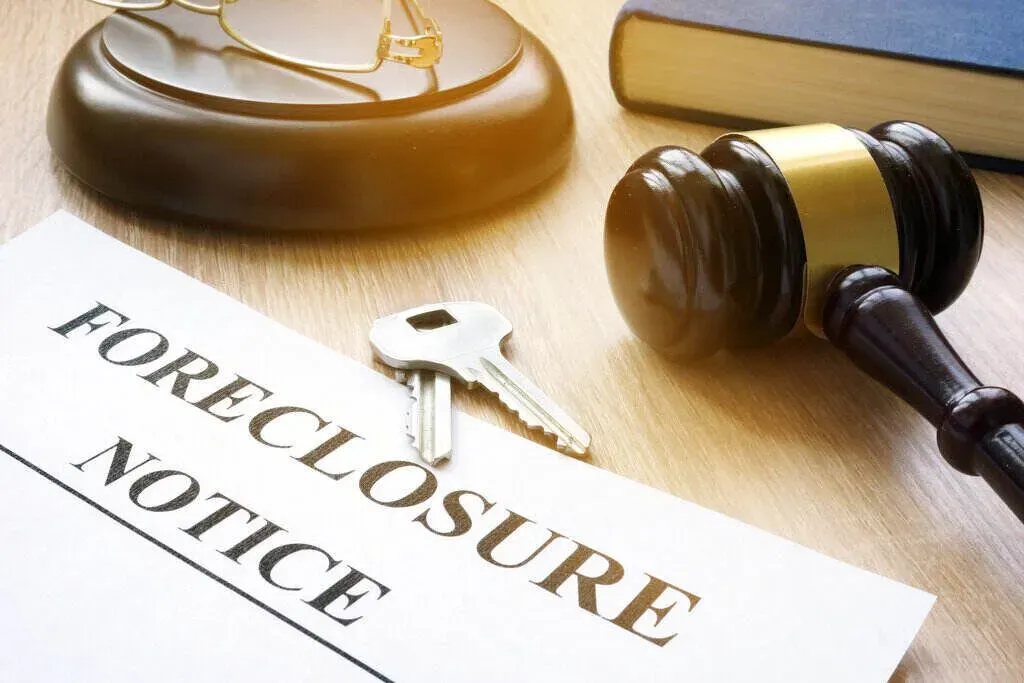
The implications of these intensified loan recovery efforts are multifaceted. For the average borrower, it spells financial distress and possible asset loss. For businesses, it may mean reduced credit access at a time when working capital is desperately needed to stay afloat. On a national scale, the trend could weaken consumer confidence and further slow economic growth.
However, there’s also a silver lining. The aggressive cleanup of loan books could restore stability in the banking sector and set the stage for more responsible lending in the future. If the bad loans are brought under control, banks will be more willing to lend again, albeit with tighter underwriting rules.
What Borrowers Should Do Now
In the face of these changes, borrowers—both individual and corporate—must act fast. Those experiencing financial strain should consider approaching their banks early to renegotiate repayment terms, apply for restructuring, or explore partial repayments. Transparency and proactive engagement are likely to earn some level of goodwill from lenders.
Furthermore, businesses must reassess their credit exposure and reduce over-reliance on bank loans. Diversifying financing sources and tightening internal cash flow management will be critical in navigating this period of financial turbulence.
Conclusion
Kenya is entering a new era of financial accountability, where borrowers will face increasing pressure to stay current on their debts or face harsh consequences. With banks ramping up recovery strategies, the days of lenient repayment schedules and soft follow-ups are fading. While this spells hardship for many, it also signals a shift toward a more robust, sustainable banking environment where credit is both respected and responsibly managed.






0 comments