
Your Read is on the Way
Every Story Matters
Every Story Matters
The Hydropower Boom in Africa: A Green Energy Revolution Africa is tapping into its immense hydropower potential, ushering in an era of renewable energy. With monumental projects like Ethiopia’s Grand Ethiopian Renaissance Dam (GERD) and the Inga Dams in the Democratic Republic of Congo, the continent is gearing up to address its energy demands sustainably while driving economic growth.
Northern Kenya is a region rich in resources, cultural diversity, and strategic trade potential, yet it remains underutilized in the national development agenda.

Can AI Help cure HIV AIDS in 2025

Why Ruiru is Almost Dominating Thika in 2025

Mathare Exposed! Discover Mathare-Nairobi through an immersive ground and aerial Tour- HD

Bullet Bras Evolution || Where did Bullet Bras go to?
President Trump’s latest tariff announcement is nothing short of a seismic shift in U.S. trade policy. With sweeping measures aimed at reshaping America’s economic standing on the global stage, his administration is doubling down on protectionist strategies. The move is designed to fortify domestic industries, address trade imbalances, and challenge foreign nations deemed to have unfair trading practices. However, the decision has triggered widespread debates, with both supporters and critics dissecting the potential consequences.
At the heart of the announcement is a universal 10% tariff on all imported goods. This across-the-board increase is an aggressive step toward reducing America’s reliance on foreign products while incentivizing domestic manufacturing. The rationale behind this measure is clear—create a more self-sufficient economy by making imported goods less attractive compared to their American-made counterparts.
While this strategy may appeal to those championing economic nationalism, it comes with undeniable risks. The costs of imported goods will inevitably rise, potentially leading to inflationary pressure on consumers. Everything from electronics to everyday household items could see price hikes, forcing businesses and individuals alike to adjust to a new economic reality. The administration, however, argues that the long-term benefits of job creation and industrial revitalization outweigh any short-term inconveniences.
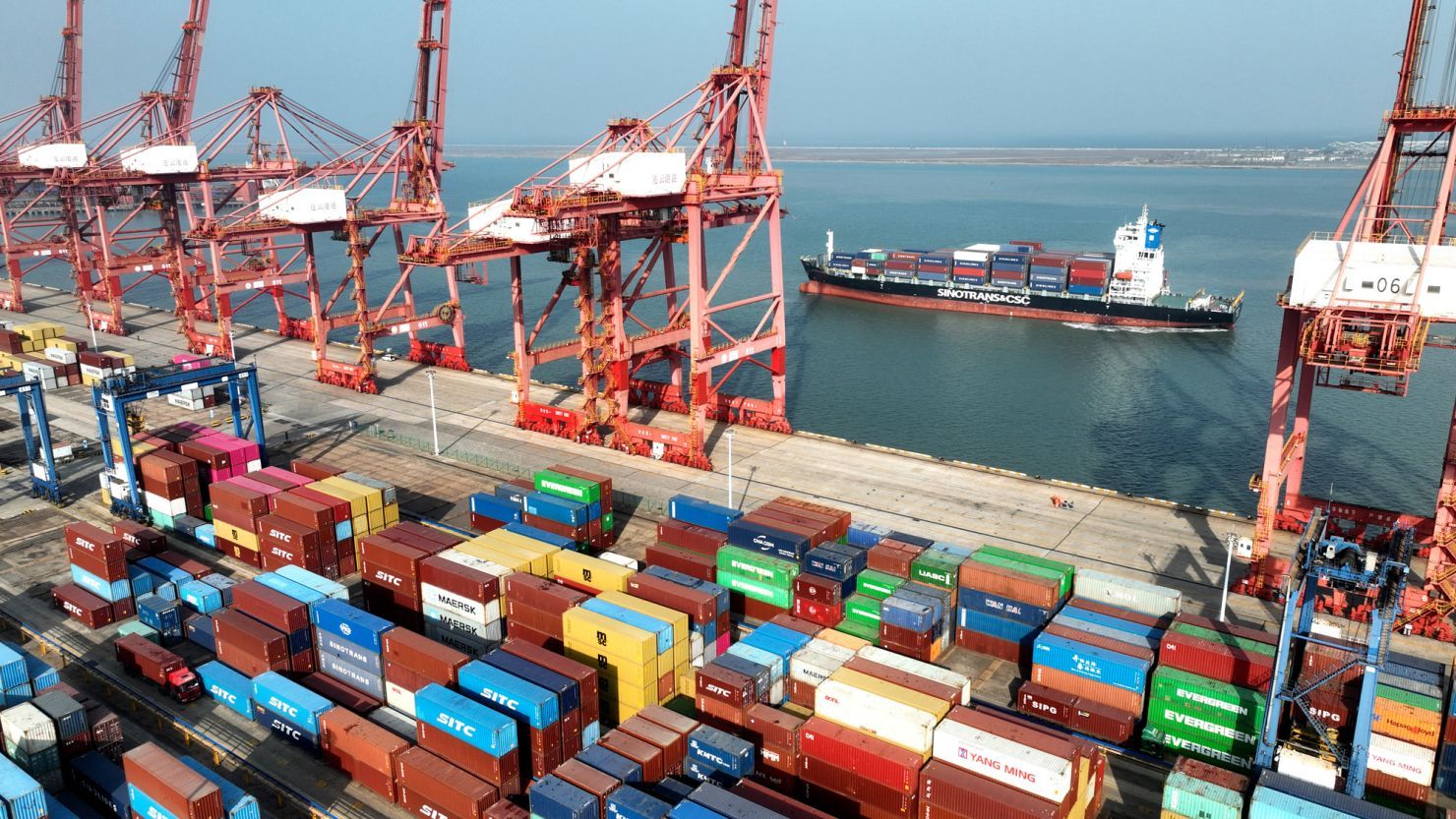
Beyond the blanket tariff, Trump's policy specifically singles out major trading partners. A particularly steep 34% tariff is being imposed on Chinese imports, a move designed to counter what the administration perceives as years of unfair trade practices, currency manipulation, and intellectual property theft. Similarly, the European Union faces a 20% tariff, reflecting ongoing disputes over subsidies, market access, and regulatory barriers that the U.S. claims put American businesses at a disadvantage.
These targeted tariffs are part of a broader strategy to push for “reciprocal trade.” The underlying philosophy is simple: If a country imposes high tariffs on American goods, the U.S. will respond in kind. This tit-for-tat approach is intended to pressure foreign governments into more favorable trade agreements, though history suggests such tactics often escalate into full-blown trade wars.
The international response has been swift and pointed. Key U.S. trading partners have voiced concerns over the move, warning that such measures could disrupt global supply chains and hurt economic stability. There are already murmurs of countermeasures, with some countries considering their own tariffs on American exports in retaliation. If this pattern continues, it could trigger a cycle of economic brinkmanship, potentially harming businesses and consumers on all sides.
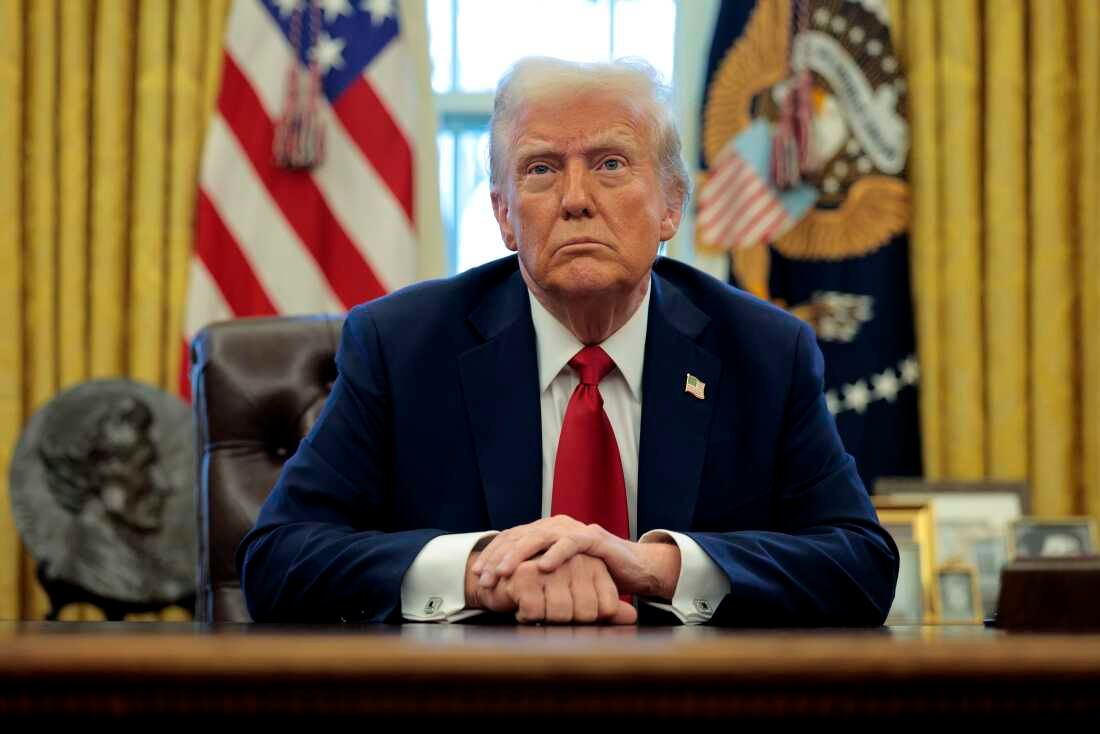
Moreover, industries that rely heavily on international supply chains—such as automotive, technology, and agriculture—are watching nervously. Many American companies depend on components and materials from abroad, and higher import costs could lead to production slowdowns, job losses, or even shifts in manufacturing operations to other countries to bypass the tariffs altogether.
Trump’s tariff strategy is a high-stakes gamble. If successful, it could lead to a renaissance in American manufacturing, increased domestic job opportunities, and a rebalancing of trade relations. However, if mishandled, it could stoke inflation, damage international relationships, and provoke retaliatory measures that hurt U.S. exporters.
For now, the world is watching, and the markets are bracing for impact. Whether this bold approach will achieve its intended goals or backfire remains to be seen, but one thing is certain—Trump’s latest economic maneuver has set the stage for a dramatic shift in global trade dynamics.






0 comments