
Your Read is on the Way
Every Story Matters
Every Story Matters
The Hydropower Boom in Africa: A Green Energy Revolution Africa is tapping into its immense hydropower potential, ushering in an era of renewable energy. With monumental projects like Ethiopia’s Grand Ethiopian Renaissance Dam (GERD) and the Inga Dams in the Democratic Republic of Congo, the continent is gearing up to address its energy demands sustainably while driving economic growth.
Northern Kenya is a region rich in resources, cultural diversity, and strategic trade potential, yet it remains underutilized in the national development agenda.

Can AI Help cure HIV AIDS in 2025

Why Ruiru is Almost Dominating Thika in 2025

Mathare Exposed! Discover Mathare-Nairobi through an immersive ground and aerial Tour- HD

Bullet Bras Evolution || Where did Bullet Bras go to?
Kenya's agricultural sector has witnessed a dramatic shift in recent years, with brokers emerging as pivotal figures in the flow of agricultural products from farms to markets. This change, which began around the early 2000s with government reforms aimed at liberalizing the sector, has been marked by the rapid rise of middlemen who connect farmers with buyers, streamline the marketing process, and reduce transportation inefficiencies. As a result, brokers have become critical to the functioning of the agricultural economy, particularly for smallholder farmers who lack direct access to larger markets.
However, as brokers’ influence grows, their role has become a double-edged sword. While they have brought efficiency and innovation to a traditionally slow-moving sector, their increasing power has raised concerns over exploitation, unfair pricing, and lack of transparency. The balance of power has shifted in favor of brokers, leaving farmers to grapple with the challenge of negotiating fair deals in an environment dominated by these intermediaries.
The role of brokers in Kenya’s agriculture is multifaceted. They have evolved from simple intermediaries into powerful market influencers, dictating terms, prices, and sometimes even the types of crops that make it to the market. They act as crucial links between farmers and buyers, ensuring that produce reaches wholesalers, retailers, and export markets. But their services come at a cost. While brokers help smallholder farmers reach wider markets and provide essential services like transport and storage, they also impose fees and set prices that often benefit them more than the farmers themselves.
The lack of regulatory oversight in the agricultural sector has allowed brokers to thrive in a largely unregulated environment. Farmers, especially those in rural areas, are forced to rely on brokers, as they typically lack the resources or connections to access larger markets independently. In return for facilitating market access, brokers often dictate the prices at which farmers sell their goods, leaving them with little room for negotiation. This has led to a growing sense of dependency on brokers, who have effectively become the gatekeepers of agricultural trade in Kenya.
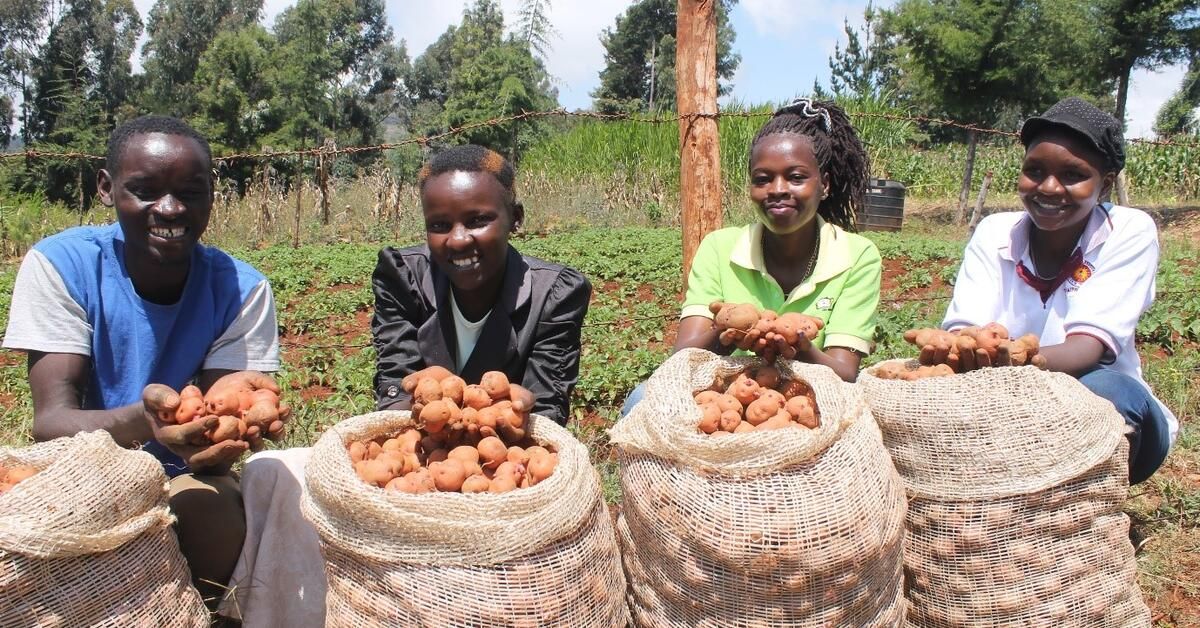
Despite the benefits brokers bring in terms of efficiency and market access, there are significant drawbacks that must be addressed. The dominance of brokers has raised questions about fairness in pricing and the equitable distribution of profits. While farmers may see higher sales due to brokers’ market connections, they often receive a much lower price for their goods than they would if they had direct access to buyers. Brokers charge farmers for their services, and these costs, along with their profit margins, reduce the overall income of farmers.
Furthermore, brokers may exploit their position by offering low upfront payments, forcing farmers to sell their goods at prices that are far below market value. The pressure of immediate cash needs, combined with a lack of viable alternatives, often leaves farmers with little choice but to accept these unfavorable terms. As brokers continue to control the supply chain, the imbalance of power worsens, pushing farmers into a cycle of dependency.
In recent years, the increasing use of digital technologies has had a profound impact on the agricultural sector in Kenya. Platforms like mobile phones and social media are being used to facilitate transactions, communicate with buyers, and even track produce shipments. However, rather than displacing brokers, these tools have enabled them to operate more efficiently and expand their reach. Mobile money services allow brokers to complete transactions quickly, while online platforms help them connect with buyers across the country and beyond.
The irony is that digital tools, which were originally intended to empower farmers and streamline the market, have inadvertently reinforced the brokers’ position in the supply chain. While farmers can now access information more easily, brokers continue to control the market narrative by providing the infrastructure, services, and connections necessary to close deals. Rather than cutting out the middleman, digital tools have simply made brokers more effective at what they do, allowing them to maintain their dominant position in the agricultural trade.
The influence of brokers isn’t just felt by farmers—it also affects consumers, particularly in urban areas. While brokers help farmers get their products to market, they also add layers of cost to the supply chain. By the time produce reaches consumers, prices are significantly higher due to the added fees, transportation costs, and profit margins built into the system by brokers. What may start as a low-cost product in rural areas ends up being sold at much higher prices in urban markets.
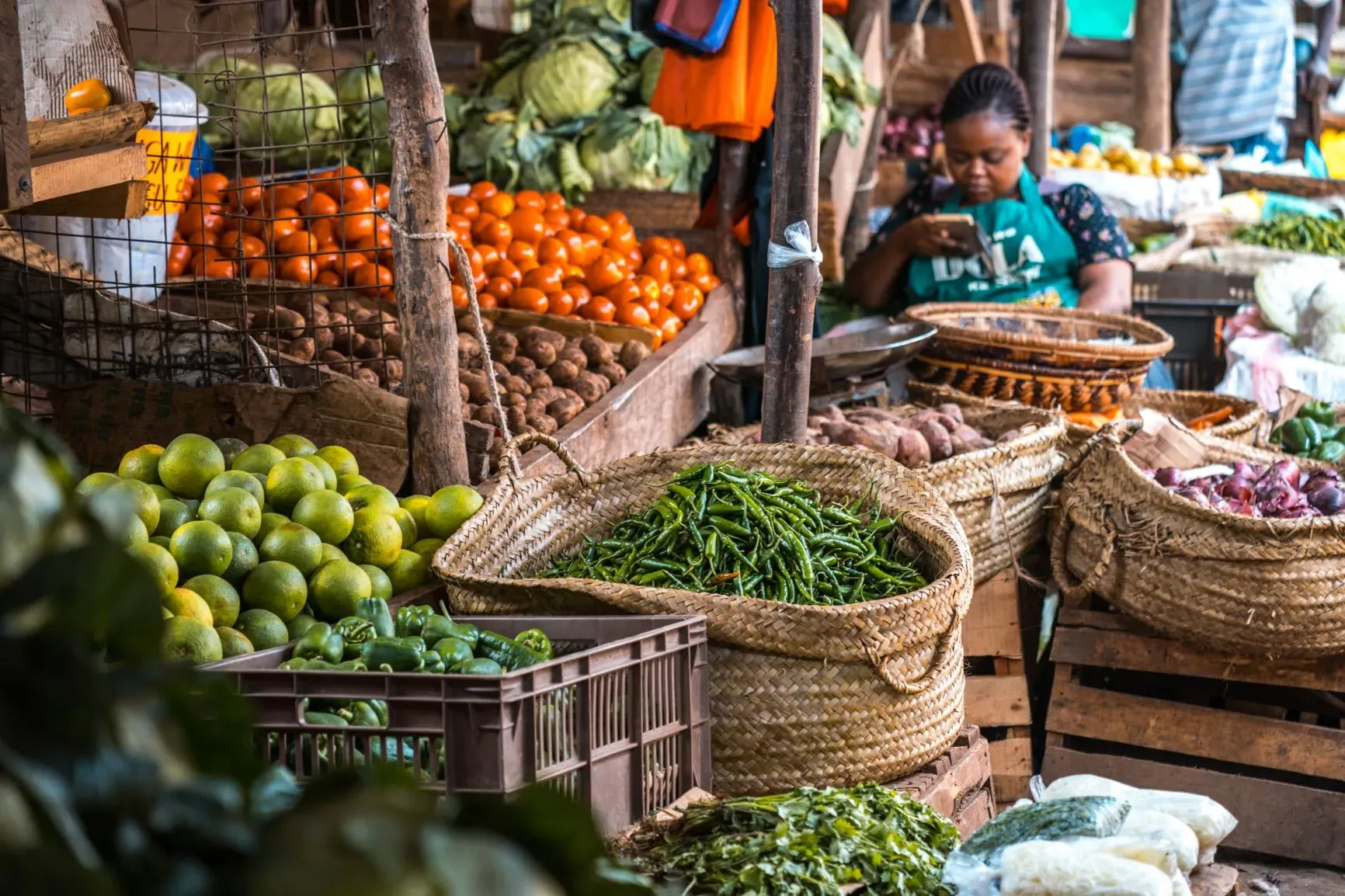
This price inflation is a major concern for consumers, particularly those in low-income households who already struggle with the high cost of living. The markups imposed by brokers exacerbate food insecurity, making it more difficult for people to afford basic staples. In the worst cases, brokers prioritize export markets over local sales, driving up prices even further for domestic consumers.
The growing power of brokers in Kenya’s agricultural economy has underscored the need for greater regulation. Without proper oversight, brokers can continue to exploit farmers and manipulate market prices with little consequence. The absence of regulatory frameworks means that brokers are free to set prices, impose fees, and engage in practices that are not always in the best interest of farmers or consumers.
Establishing clear rules and regulations would help create a more level playing field. Policies could enforce transparency in pricing, ensure fair contracts for farmers, and hold brokers accountable for their actions. Additionally, regulation could help curb corruption within the system, as brokers often rely on informal networks and may be susceptible to bribery or other unethical practices. However, any regulation should strike a balance, ensuring that brokers can still provide valuable services to farmers without taking advantage of their position.
The future of Kenya’s agricultural sector lies in finding a balance between the role of brokers and the needs of farmers. While brokers have played a crucial role in improving market efficiency and providing services like transport and storage, their dominance must be regulated to prevent exploitation. The use of digital platforms can also help empower farmers by giving them access to real-time market information and creating opportunities for direct sales. With the right combination of regulation, innovation, and market access, brokers can continue to serve as intermediaries without undermining the livelihoods of the farmers they are supposed to help.
Ultimately, brokers should be seen as facilitators, not the primary beneficiaries of Kenya’s agricultural trade. By establishing fair practices, encouraging transparency, and ensuring that farmers have a seat at the table, Kenya’s agricultural economy can continue to grow in a way that benefits all stakeholders—farmers, brokers, and consumers alike.






0 comments