
Your Read is on the Way
Every Story Matters
Every Story Matters
The Hydropower Boom in Africa: A Green Energy Revolution Africa is tapping into its immense hydropower potential, ushering in an era of renewable energy. With monumental projects like Ethiopia’s Grand Ethiopian Renaissance Dam (GERD) and the Inga Dams in the Democratic Republic of Congo, the continent is gearing up to address its energy demands sustainably while driving economic growth.
Northern Kenya is a region rich in resources, cultural diversity, and strategic trade potential, yet it remains underutilized in the national development agenda.

Can AI Help cure HIV AIDS in 2025

Why Ruiru is Almost Dominating Thika in 2025

Mathare Exposed! Discover Mathare-Nairobi through an immersive ground and aerial Tour- HD

Bullet Bras Evolution || Where did Bullet Bras go to?
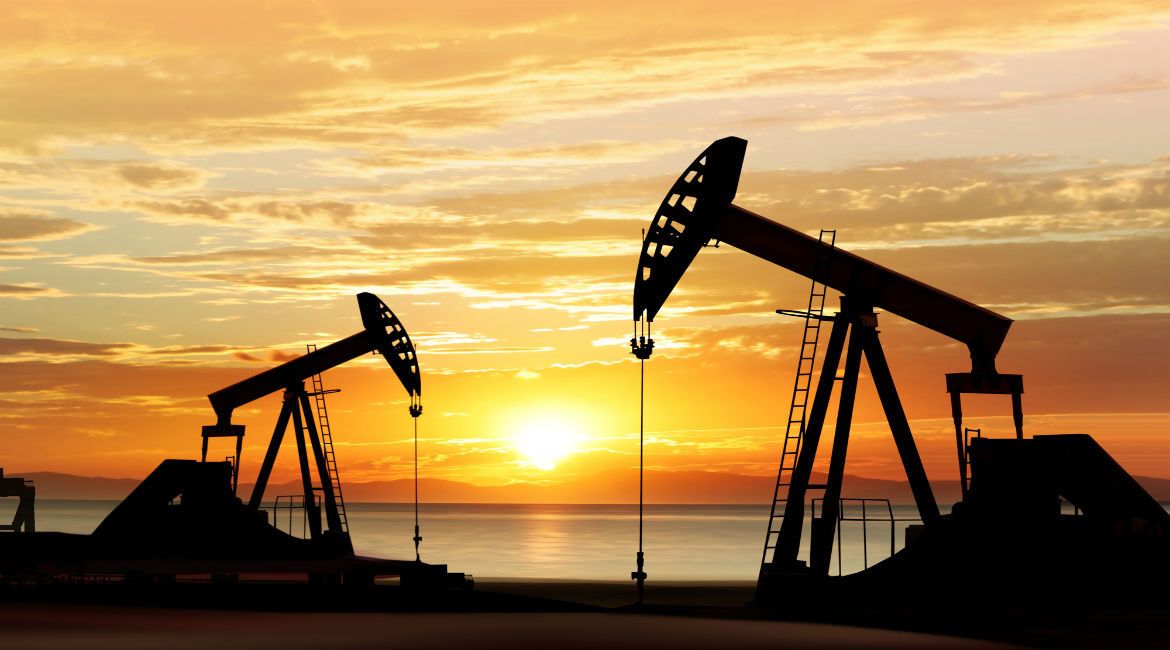
With Donald Trump back in the White House, the oil and gas industry is gearing up for a period of rapid expansion. Oil executives, who gathered at the annual CERAWeek energy conference, expressed optimism about the future of fossil fuels under his leadership. Many companies are preparing to increase investment in oil and gas while slowing down their commitments to renewable energy. However, concerns remain over the potential impact of trade restrictions and tariffs that could disrupt the market.
During the previous administration, Trump rolled back numerous environmental regulations, giving the fossil fuel industry a major boost. Now that he is back, oil companies expect even fewer restrictions and faster approval processes for drilling and pipeline projects. Some of the largest players in the industry, including BP and TotalEnergies, are shifting their focus away from renewables and prioritizing fossil fuel investments. The leaders of these companies argue that oil and gas will remain critical for global energy needs and that government policies should reflect that reality.
One of the biggest advantages for the oil industry under Trump is his administration’s approach to environmental regulations. Many industry leaders believe that excessive restrictions in recent years have slowed down energy development and increased costs. Companies like ConocoPhillips are particularly optimistic about efforts to reform the permitting process. Delays in project approvals, especially in regions like Alaska, have frustrated the industry, but new policies are expected to streamline the process and encourage more drilling.
Despite the overall excitement in the oil sector, there are significant concerns about Trump’s aggressive trade policies. Industry leaders worry that tariffs on key imports, particularly Canadian crude, could lead to higher costs and supply chain disruptions. The United States imports a large amount of oil from Canada, and any restrictions on this trade could impact refining operations and fuel prices. While oil executives remain hopeful about the benefits of deregulation, they are also wary of how new trade policies could create economic uncertainty.
While some oil companies had been increasing their investments in renewable energy, the trend appears to be reversing. With government policies now more favorable to fossil fuels, major energy firms are slowing down or even abandoning their renewable projects. Many executives at CERAWeek dismissed the idea that oil demand would decline in the near future. Saudi Aramco’s leadership reinforced this belief by arguing that global energy needs will continue to grow, making fossil fuels a necessary part of the mix.
The return of a fossil fuel friendly administration presents new opportunities and challenges for the energy industry. While companies are excited about increased production and reduced regulations, they also face potential risks from tariffs and shifting global trade dynamics. The market remains uncertain as businesses try to balance their growth strategies with concerns about geopolitical tensions and economic volatility.






0 comments