
Your Read is on the Way
Every Story Matters
Every Story Matters
The Hydropower Boom in Africa: A Green Energy Revolution Africa is tapping into its immense hydropower potential, ushering in an era of renewable energy. With monumental projects like Ethiopia’s Grand Ethiopian Renaissance Dam (GERD) and the Inga Dams in the Democratic Republic of Congo, the continent is gearing up to address its energy demands sustainably while driving economic growth.
Northern Kenya is a region rich in resources, cultural diversity, and strategic trade potential, yet it remains underutilized in the national development agenda.

Can AI Help cure HIV AIDS in 2025

Why Ruiru is Almost Dominating Thika in 2025

Mathare Exposed! Discover Mathare-Nairobi through an immersive ground and aerial Tour- HD

Bullet Bras Evolution || Where did Bullet Bras go to?
The Governor in the Hot Seat
The Central Bank of Kenya (CBK) Governor, Kamau Thugge, recently found himself in the crosshairs of the National Assembly’s Finance and National Planning Committee. Lawmakers pressed him to justify the bank's stance on interest rate policies, a topic that has sparked widespread debate across the financial sector. With mounting concerns over the rising cost of borrowing and its ripple effects on ordinary citizens, the committee sought clarity and potential solutions from the country’s top banking official.
Thugge faced pointed questions from legislators who expressed dissatisfaction with how the current interest rate environment affects businesses and consumers. The grilling session reflected growing frustrations over the perceived inaccessibility of credit and the financial burden on households struggling under increased borrowing costs.
A Warning Against Interest Rate Caps
During the session, Governor Thugge issued a stark warning against reintroducing interest rate caps. According to him, reinstating these caps would have far-reaching consequences for the financial sector and the broader economy.
Drawing from past experiences, Thugge reminded the committee that the previous implementation of interest rate caps in 2016 led to an unintended credit crunch. Commercial banks, wary of lending to risky borrowers under fixed margins, significantly reduced loans to small and medium-sized enterprises (SMEs). This not only stifled entrepreneurship but also limited the growth of sectors crucial to economic development.
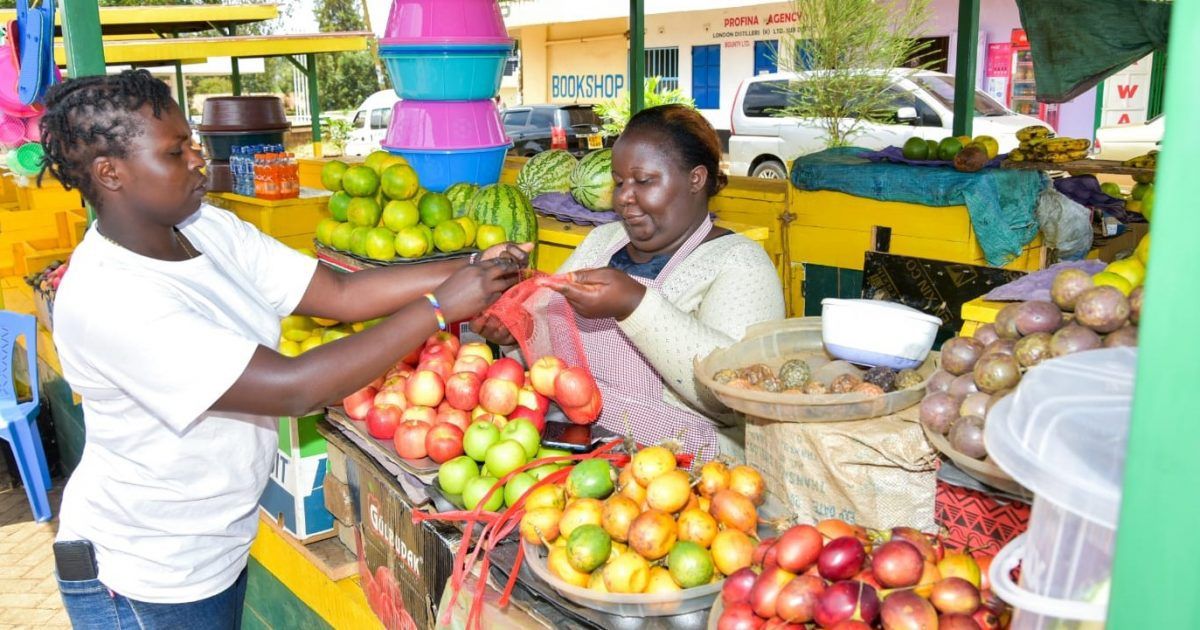
"Reintroducing interest rate caps will make credit inaccessible to the most vulnerable groups," Thugge asserted. "We need to strike a delicate balance between affordable lending and maintaining financial sector stability."
The Economic Domino Effect
The Governor elaborated on the broader economic implications of rigid interest rate policies. He warned that limiting how much banks can charge on loans might initially seem consumer-friendly but could backfire by reducing overall credit supply. When banks cannot adequately price for risk, they often retreat from lending altogether, which disproportionately affects small businesses and low-income households.
Thugge argued that instead of imposing caps, there should be a focus on strengthening consumer protection laws and fostering a competitive banking environment. This approach, he suggested, would encourage lower interest rates organically while preserving the flexibility needed for sustainable lending practices.
The committee members, while acknowledging these concerns, pressed for alternative measures to address the high cost of credit. Legislators emphasized that ordinary Kenyans are struggling under the weight of expensive loans and demanded that the CBK take proactive steps to alleviate this burden.
Striking a Balance
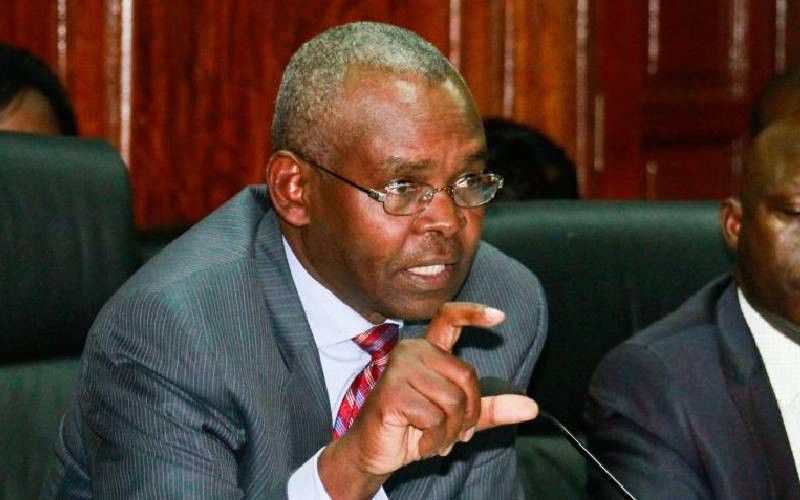
Throughout the tense exchange, Governor Thugge remained firm in his position: the key to addressing high-interest rates lies in policy refinement rather than blanket restrictions. He proposed a collaborative approach where the government, regulatory bodies, and financial institutions work together to craft solutions that expand access to affordable credit without undermining market dynamics.
Among his suggestions were enhancing financial literacy programs, supporting fintech innovation to drive down lending costs, and refining credit risk assessment models. Such initiatives, he argued, could pave the way for more equitable lending practices while safeguarding the financial system's integrity.
What Comes Next?
Following the hearing, the Finance and National Planning Committee pledged to review the Governor's submissions carefully. While no immediate decisions were made, the discussions highlighted the ongoing tension between regulatory intervention and market-driven solutions.
For now, the fate of interest rate policies remains uncertain. However, one thing is clear: the debate over how to balance consumer protection with financial stability is far from over. As stakeholders continue to navigate these complex issues, the coming months could shape the future of Kenya's banking landscape and its broader economic trajectory.






0 comments