
Your Read is on the Way
Every Story Matters
Every Story Matters
The Hydropower Boom in Africa: A Green Energy Revolution Africa is tapping into its immense hydropower potential, ushering in an era of renewable energy. With monumental projects like Ethiopia’s Grand Ethiopian Renaissance Dam (GERD) and the Inga Dams in the Democratic Republic of Congo, the continent is gearing up to address its energy demands sustainably while driving economic growth.
Northern Kenya is a region rich in resources, cultural diversity, and strategic trade potential, yet it remains underutilized in the national development agenda.

Can AI Help cure HIV AIDS in 2025

Why Ruiru is Almost Dominating Thika in 2025

Mathare Exposed! Discover Mathare-Nairobi through an immersive ground and aerial Tour- HD

Bullet Bras Evolution || Where did Bullet Bras go to?
In a move that shocked global markets and political analysts alike, the United States abruptly announced a major shift in its trade policies, severing long-standing agreements with both Canada and the European Union. The decision, which the U.S. administration framed as a necessary step to prioritize domestic manufacturing and job creation, has instead triggered widespread economic disruptions and uncertainty. Businesses that had relied on predictable trade routes are now scrambling to adjust to new restrictions, while diplomatic relations between the U.S. and its traditional allies have soured significantly.
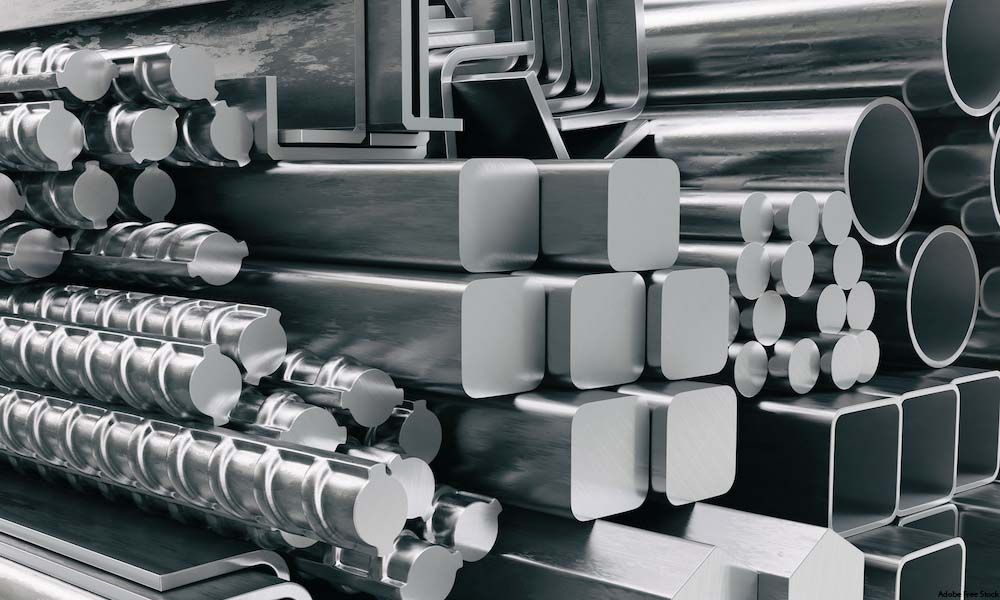
The policy change, which includes sweeping tariffs on steel, aluminum, and a range of consumer goods, has led to heated debates within the country. Supporters argue that these measures will encourage businesses to move production back to American soil, creating jobs and reducing dependency on foreign goods. However, critics warn that the economic repercussions could be severe, as higher prices for raw materials and retaliatory tariffs from other nations threaten to destabilize entire industries. The abrupt nature of the decision has also left little room for businesses to prepare, further exacerbating the fallout.
In response to the United States' aggressive stance on trade, Canada and Mexico have wasted no time in solidifying their economic partnership. The two nations, historically dependent on U.S. trade, have instead pivoted towards building a stronger North American trade bloc that excludes the United States entirely. This new economic alliance aims to create a self-sustaining network of industries and supply chains, reducing reliance on American markets while fostering deeper economic integration between the two countries.
The shift is already having profound effects on trade policies and investment strategies. Canada has ramped up efforts to diversify its trade agreements, securing new deals with South American and European nations to compensate for the loss of American markets. Mexico, meanwhile, has sought stronger ties with Asian economies, particularly China and India, to ensure continued access to critical imports and exports. Both nations have also pledged to increase investments in domestic industries to lessen the impact of U.S. tariffs and establish themselves as major players in the evolving global economy.
As tensions between the United States and its European allies continue to escalate, the European Union has responded by shifting its economic focus towards Asia. Recognizing the need for new trade partners, EU leaders have moved swiftly to negotiate deals with economic powerhouses such as China, Japan, and India. These agreements, which include lowered tariffs, increased investment opportunities, and expanded market access, are designed to ensure that European businesses can continue to thrive despite the growing trade barriers imposed by the U.S.
The shift in trade strategy marks a significant departure from past policies, which had long prioritized transatlantic economic cooperation. By strengthening ties with Asian economies, Europe is not only securing its economic future but also signaling a shift in global power dynamics. Analysts believe that this new alignment could redefine international trade for decades to come, reducing the United States' influence in the global economy while creating new centers of economic power in Asia and Europe. The consequences of this realignment are expected to be profound, affecting everything from currency values to global supply chains.
While the U.S. government maintains that its aggressive trade policies will ultimately benefit American workers and industries, the immediate economic fallout has been severe. Farmers, manufacturers, and retailers across the country are facing mounting challenges as key exports are subjected to heavy tariffs and critical imports become more expensive. Many agricultural producers, who once relied on exports to Canada and Europe, are now struggling to find new markets for their products. Some have been forced to scale back operations or shut down entirely due to declining revenues.

The manufacturing sector is also experiencing significant disruption. Industries that depend on raw materials from overseas are now paying higher costs due to tariffs, making it more difficult to compete with foreign producers. Small and mid-sized businesses, which lack the financial resources to absorb these costs, have been hit particularly hard. As a result, some companies have begun exploring options to move production out of the U.S. altogether in search of more stable trade environments. The stock market, which initially reacted with optimism to promises of economic protectionism, has seen sharp declines as investors grow wary of long-term instability.
With traditional trade alliances dissolving and new partnerships forming, the future of global trade remains uncertain. While some nations have found opportunities to expand their economic influence through strategic agreements, others are struggling to adapt to the rapidly changing landscape. The reorganization of international commerce has led to shifts in manufacturing, supply chain management, and investment priorities, creating both challenges and opportunities for businesses and governments alike.
One thing is clear: the world is moving towards a new economic order, one that is less centered on the United States and more focused on regional cooperation. As countries continue to adjust their strategies, the coming years will be crucial in determining which economies thrive under the new system and which struggle to keep pace. Whether this shift ultimately leads to greater economic stability or prolonged uncertainty remains to be seen, but one fact is undeniable—the era of traditional trade alliances is over, and a new chapter in global commerce has begun.






0 comments