
Your Read is on the Way
Every Story Matters
Every Story Matters
The Hydropower Boom in Africa: A Green Energy Revolution Africa is tapping into its immense hydropower potential, ushering in an era of renewable energy. With monumental projects like Ethiopia’s Grand Ethiopian Renaissance Dam (GERD) and the Inga Dams in the Democratic Republic of Congo, the continent is gearing up to address its energy demands sustainably while driving economic growth.
Northern Kenya is a region rich in resources, cultural diversity, and strategic trade potential, yet it remains underutilized in the national development agenda.

Can AI Help cure HIV AIDS in 2025

Why Ruiru is Almost Dominating Thika in 2025

Mathare Exposed! Discover Mathare-Nairobi through an immersive ground and aerial Tour- HD

Bullet Bras Evolution || Where did Bullet Bras go to?
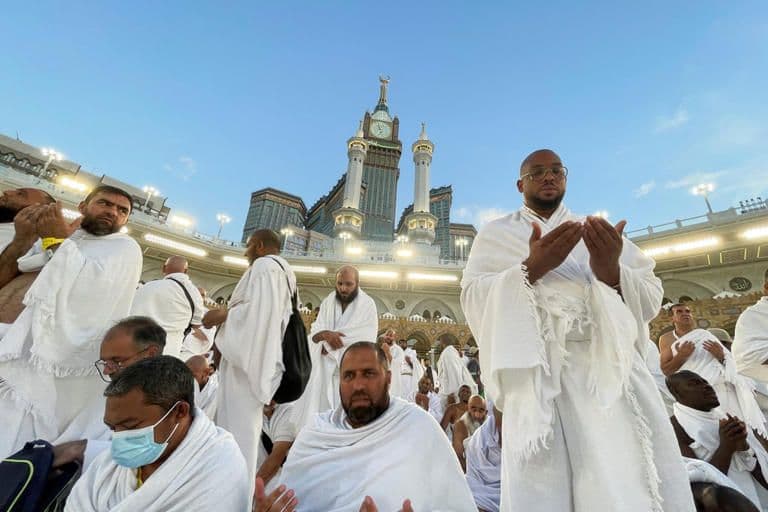
What once thundered with the emotional intensity of over two million pilgrims now feels like a spiritual dress rehearsal managed from a security command center. This year’s Hajj was not a sweeping ocean of white garments and unbridled devotion—it was a tightly choreographed performance, where even the desert winds seemed to whisper under surveillance.
The symbolic "stoning of the devil" in Mina, often marked by raw emotion and a shared sense of victory over temptation, became a timed procession. Most pilgrims finished the ritual in minutes, directed by officials through heavily policed corridors. Where chaos once reigned in emotion, efficiency now reigned in silence.
At Mount Arafat—where the Prophet once gave his last sermon—the landscape this year felt subdued. Pilgrims came in batches, many discouraged from climbing due to searing heat. Between 10:00 am and 4:00 pm, the mount looked abandoned, despite its centrality in the Hajj rites. What used to be a mountain echoing with Qur’anic recitation now stood largely still, the voices replaced by speaker announcements and drone surveillance overhead.
Official quotas and costly permits made this year’s pilgrimage feel less like a global invitation and more like a high-security summit. For the ordinary faithful, the chances of attending Hajj—once a dream and duty—have grown slimmer. For many, unauthorized attendance was the only option, and with that came the threat of arrest, deportation, or being denied access to basic amenities in Mecca.
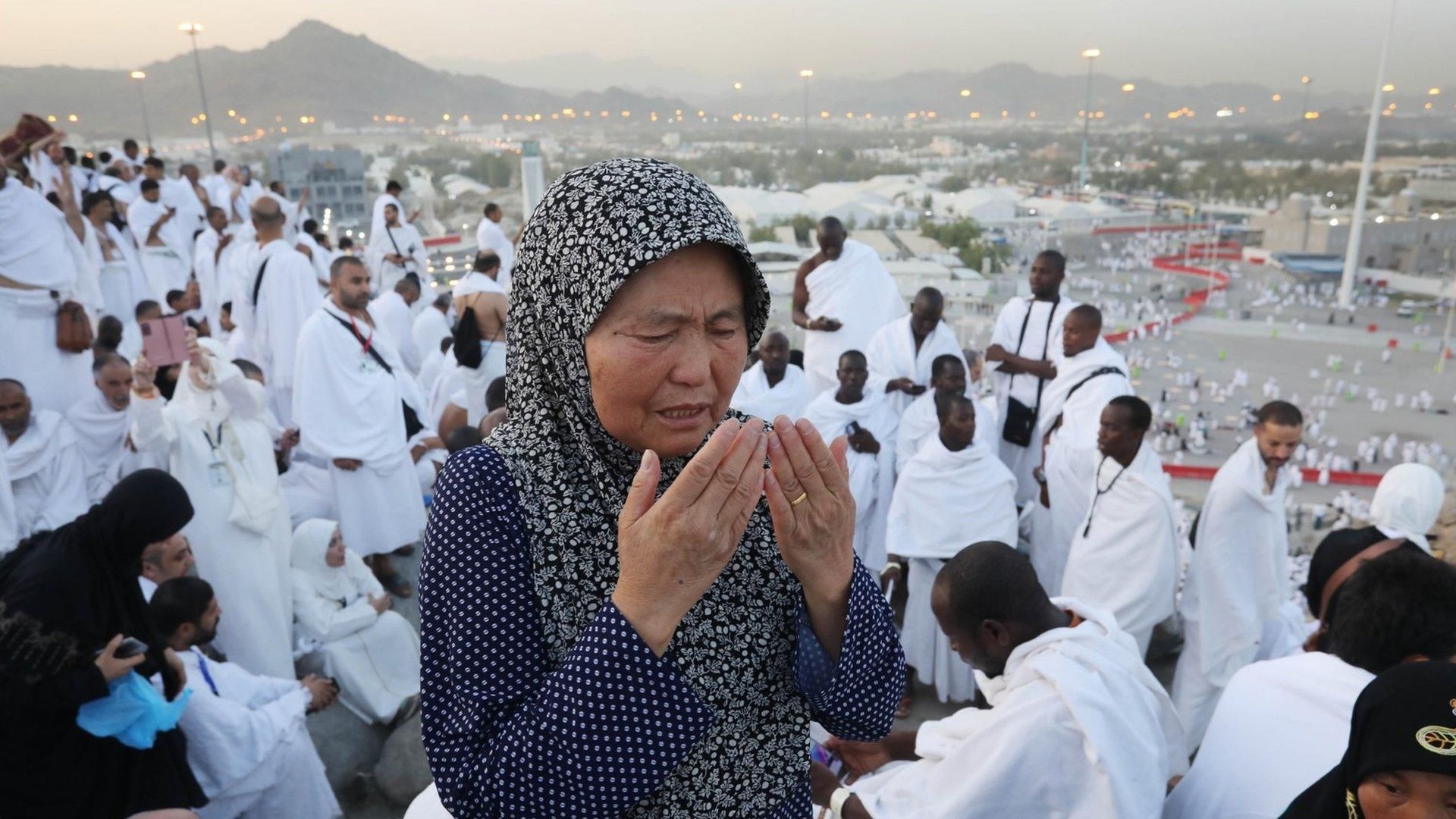
Saudi authorities attribute the lower death toll this year to the crackdowns on unauthorized pilgrims. But to critics, this reflects a troubling shift: less about safety, and more about filtering out those who don’t fit the curated image of the “ideal” pilgrim.
Even Eid al-Adha, which marks the end of Hajj, unfolded in relative quiet. In years past, this was a time of feasts, animal sacrifice, and communal celebration. But in Mina, most returned to their tents quickly. Some performed the symbolic act and quietly departed, while others looked on from the sidelines—either unable to afford a proper sacrifice or exhausted from the surveillance-heavy journey.
Hajj has always been more than a ritual—it’s a statement of belonging, submission, and solidarity. But this year, what many witnessed was a pilgrimage increasingly molded by geopolitics and royal prestige. With billions of dollars at stake and a kingdom eager to maintain its religious image, the spiritual purpose of Hajj risks being overshadowed by logistics and control.
As one pilgrim quietly noted before departing Mina, “We completed the Hajj. But it didn’t feel like Hajj. It felt like we were guests in someone else’s story.”
Final Reflection
The 2025 Hajj was not a tragedy. It was not a stampede or disaster. It was something quieter—perhaps more dangerous in its subtlety. A pilgrimage that ticked every procedural box, yet left many searching for the soul of a ritual now encased in security tape and spreadsheets. In the stillness of Mina and the shadow of Arafat, the question lingered: has Hajj become less about the path to God, and more about fitting into the mold of a kingdom’s image?




0 comments