
Your Read is on the Way
Every Story Matters
Every Story Matters
The Hydropower Boom in Africa: A Green Energy Revolution Africa is tapping into its immense hydropower potential, ushering in an era of renewable energy. With monumental projects like Ethiopia’s Grand Ethiopian Renaissance Dam (GERD) and the Inga Dams in the Democratic Republic of Congo, the continent is gearing up to address its energy demands sustainably while driving economic growth.
Northern Kenya is a region rich in resources, cultural diversity, and strategic trade potential, yet it remains underutilized in the national development agenda.

Can AI Help cure HIV AIDS in 2025
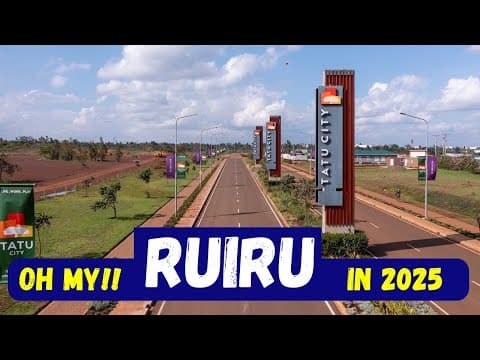
Why Ruiru is Almost Dominating Thika in 2025
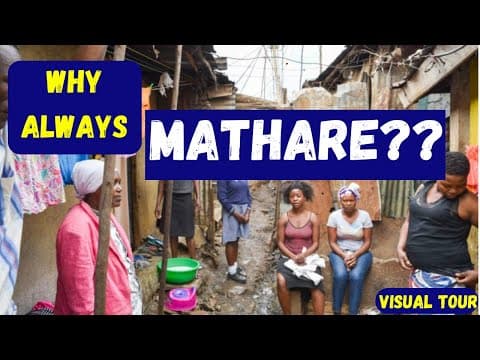
Mathare Exposed! Discover Mathare-Nairobi through an immersive ground and aerial Tour- HD

Bullet Bras Evolution || Where did Bullet Bras go to?
The Kamba Festival isn’t advertised in glossy brochures or flashed on international billboards. But to the Akamba people, it’s one of the most powerful cultural touchstones. Held primarily in Kitui, Machakos, and Makueni counties, this celebration traces its roots deep into precolonial African cosmology, when ancestors were guides, rain was a god’s response, and every tree had a spirit.
At the core of the Kamba Festival is the act of remembering. Not in silence, but with sound—furious, purposeful drumming that rolls like thunder across the hills, believed to stir the spirits of the departed. These ancestral presences are not mourned; they are summoned. The Kamba believe that only when the dead are properly honored can the living thrive. Hence, the festival becomes a ceremonial dialogue between generations, past and present.
Music is the language of the Kamba gods. The ritual begins with the beat of the ngoma—traditional Kamba drums carved from special trees believed to have spiritual resonance. These beats aren’t arbitrary; they’re encoded rhythms passed down from master drummer to apprentice, used to invoke specific emotions, memories, or entities.
As the drums intensify, dancers—both men and women—move in circular formations. Every gesture has a meaning. Women, dressed in vibrant lesos, perform fertility dances, while warriors emulate ancestral battles and hunts. The dance floor, typically a dusty clearing near a sacred tree or ancestral shrine, becomes a stage for sacred storytelling.
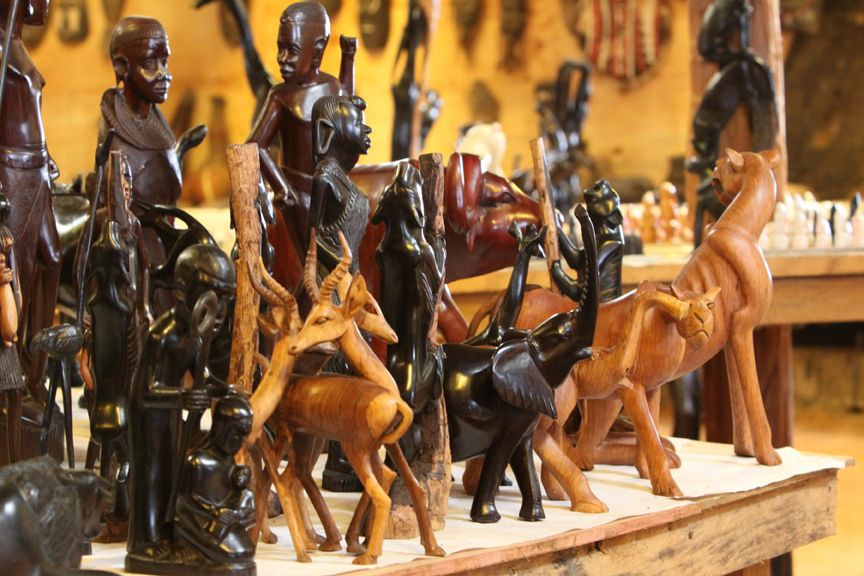
Carving also plays a central role. The Kamba are famed wood sculptors, and during the festival, they display their skill by crafting effigies of ancestors, spirit animals, and totems that are believed to carry protective power. These are not merely decorative; they’re spiritual tools used in rituals and kept in households as blessings or warnings.
The most anticipated moment of the festival is the rainmaking ceremony. This is when the elders—called atumia mauta—step forward. Respected for their wisdom and spiritual insight, these elders prepare special brews made from sacred herbs, pour libations on the earth, and chant in the old dialects. These acts are meant to cleanse, appease, and invite rain, seen not just as water, but as ancestral approval.
At times, a mundu mue (seer) is invited. Known for their spiritual sensitivity, these individuals enter trances, offer prophecies, and sometimes identify causes of misfortune—often linked to forgotten rituals, broken family lines, or angry spirits.
Today, the Kamba Festival walks a tightrope between preservation and adaptation. Urban migration and Christian influence have diluted certain aspects, but cultural revivalists have responded with a hybrid model. Community cultural centers now organize public versions of the festival, blending authentic rituals with educational showcases.
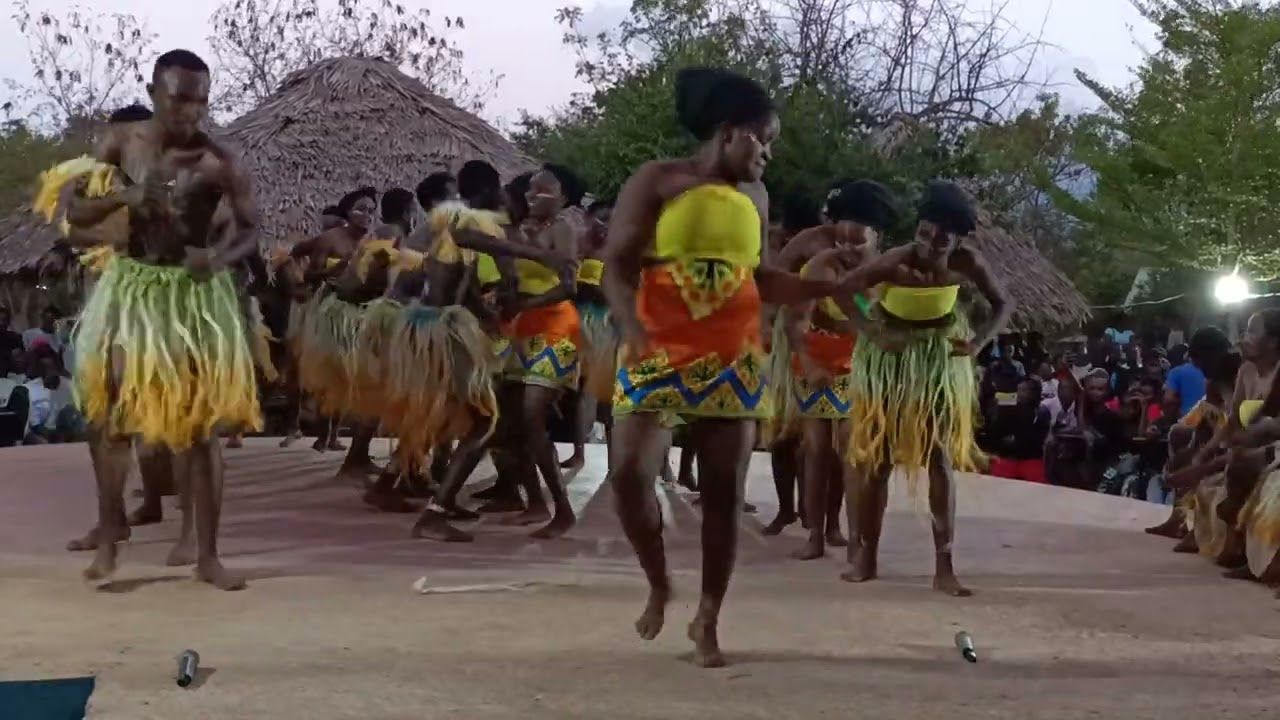
There are workshops for children to learn Kamba drumming, stalls selling traditional crafts, and elders recounting oral histories. These new formats ensure that the cultural heartbeat of the Akamba is not lost to silence, even if the rhythm has evolved.
What makes the Kamba Festival striking isn’t just the color or rhythm; it’s the unapologetic assertion of a worldview where the dead matter, nature is divine, and community is sacred. In every drumbeat, in every whisper of dust beneath the dancers’ feet, there’s a lesson: that identity is not inherited—it’s rehearsed, sung, and celebrated.
Whether you stand beneath the sacred fig tree in Kitui or watch from afar, the Kamba Festival invites you not just to witness—but to listen. Not just to observe, but to remember. And in that memory, to honor the spirits that still speak through the soil.





0 comments