
Your Read is on the Way
Every Story Matters
Every Story Matters
The Hydropower Boom in Africa: A Green Energy Revolution Africa is tapping into its immense hydropower potential, ushering in an era of renewable energy. With monumental projects like Ethiopia’s Grand Ethiopian Renaissance Dam (GERD) and the Inga Dams in the Democratic Republic of Congo, the continent is gearing up to address its energy demands sustainably while driving economic growth.
Northern Kenya is a region rich in resources, cultural diversity, and strategic trade potential, yet it remains underutilized in the national development agenda.

Can AI Help cure HIV AIDS in 2025

Why Ruiru is Almost Dominating Thika in 2025

Mathare Exposed! Discover Mathare-Nairobi through an immersive ground and aerial Tour- HD

Bullet Bras Evolution || Where did Bullet Bras go to?
The war between the Russian Federation and Ukraine, which began with Russia’s full-scale invasion on February 24, 2022, remains unresolved over two years later. Despite international pressure, ceasefire calls, and economic sanctions, a lasting resolution has not materialized. This enduring conflict is underpinned by deeply entrenched political, military, and ideological differences that have hardened over time.
At the center of the impasse is the complete divergence in national goals. The Russian Federation aims to maintain and expand its influence over Ukraine, prevent further NATO expansion, and secure permanent control over territories such as Crimea and the Donbas region. Moscow views Ukraine’s Western alignment as an existential threat.
Conversely, Ukraine considers the war a struggle for its sovereignty, territorial integrity, and democratic self-determination. President Zelenskyy's administration, backed by broad public support, has vowed not to concede any land, including territories annexed by Russia. These positions are fundamentally irreconcilable in the current political climate.
The war carries enormous political weight for both nations. For President Vladimir Putin, backing down or losing ground in Ukraine would severely damage his domestic authority and geopolitical credibility. His administration has framed the conflict as a defense of Russian identity and security.
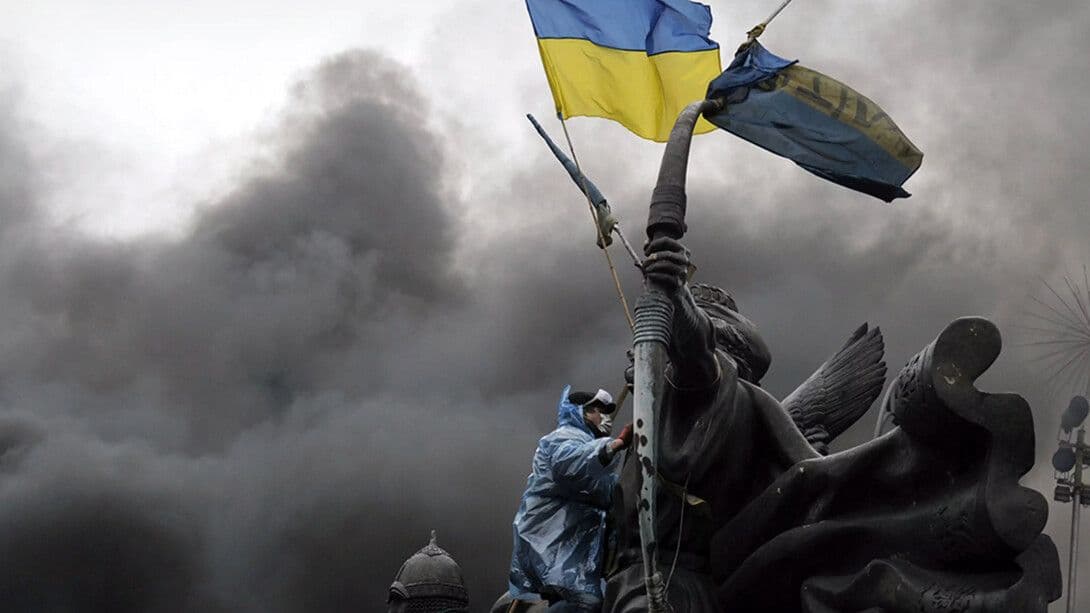
In Ukraine, the war has become a unifying national cause. Any form of capitulation would be unacceptable to its citizens, many of whom have suffered immense personal and communal losses. For Kyiv, continuing the fight is not just political—it is existential.
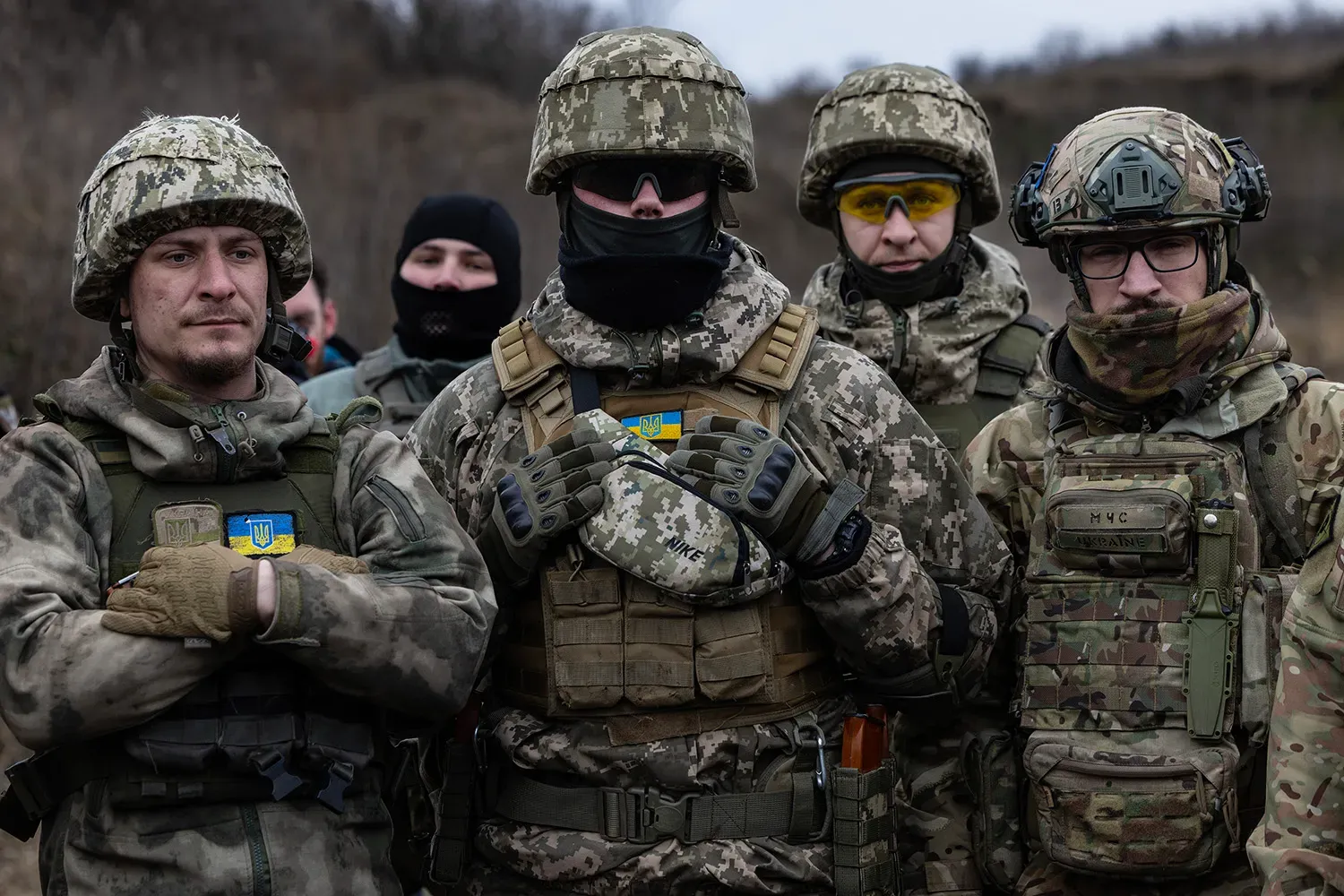
Neither side has achieved a decisive military breakthrough. Russia holds parts of eastern and southern Ukraine, while Ukraine has conducted limited but resilient counteroffensives. The nature of trench warfare, minefields, and artillery attrition has resulted in a protracted battlefield stalemate, where progress is measured in meters rather than miles.
This deadlock makes any immediate victory or defeat unlikely, extending the conflict indefinitely while both sides attempt to gain a tactical edge.
The conflict is also influenced by wider global dynamics. Western nations, particularly NATO members, continue to support Ukraine through military aid, financial packages, and diplomatic backing. These efforts aim to uphold international norms and deter further aggression.
Meanwhile, Russia frames the war as a resistance against Western dominance and interference. It has strengthened strategic ties with nations such as China, Iran, and North Korea, leveraging geopolitical rivalries to sustain its campaign.
This broader international context turns the conflict into a proxy confrontation, where compromise becomes even more politically sensitive and complex.
Efforts to reach a negotiated peace remain stalled. Russia demands the recognition of its annexed territories and guarantees of NATO non-expansion. Ukraine, backed by its Western allies, refuses to entertain such conditions.
Moreover, trust between the parties is virtually nonexistent. Repeated violations of ceasefires in the past and ongoing disinformation campaigns have severely eroded confidence in diplomatic mechanisms.
Any move to end the conflict carries considerable domestic risks. For the Kremlin, withdrawal could be perceived as a strategic failure. For the Ukrainian leadership, accepting any territorial loss could undermine political legitimacy and national morale.
The fragile nature of both leaderships’ political capital makes it extremely difficult to sell compromise to their respective populations.
The Russia–Ukraine war remains unresolved due to deeply entrenched political objectives, military stalemate, international involvement, and a near-total collapse of diplomatic trust. With neither side willing or able to back down without significant strategic gain or political cover, the conflict is likely to persist until a significant shift occurs—either militarily, economically, or politically.




0 comments