
Your Read is on the Way
Every Story Matters
Every Story Matters
The Hydropower Boom in Africa: A Green Energy Revolution Africa is tapping into its immense hydropower potential, ushering in an era of renewable energy. With monumental projects like Ethiopia’s Grand Ethiopian Renaissance Dam (GERD) and the Inga Dams in the Democratic Republic of Congo, the continent is gearing up to address its energy demands sustainably while driving economic growth.
Northern Kenya is a region rich in resources, cultural diversity, and strategic trade potential, yet it remains underutilized in the national development agenda.

Can AI Help cure HIV AIDS in 2025

Why Ruiru is Almost Dominating Thika in 2025

Mathare Exposed! Discover Mathare-Nairobi through an immersive ground and aerial Tour- HD

Bullet Bras Evolution || Where did Bullet Bras go to?
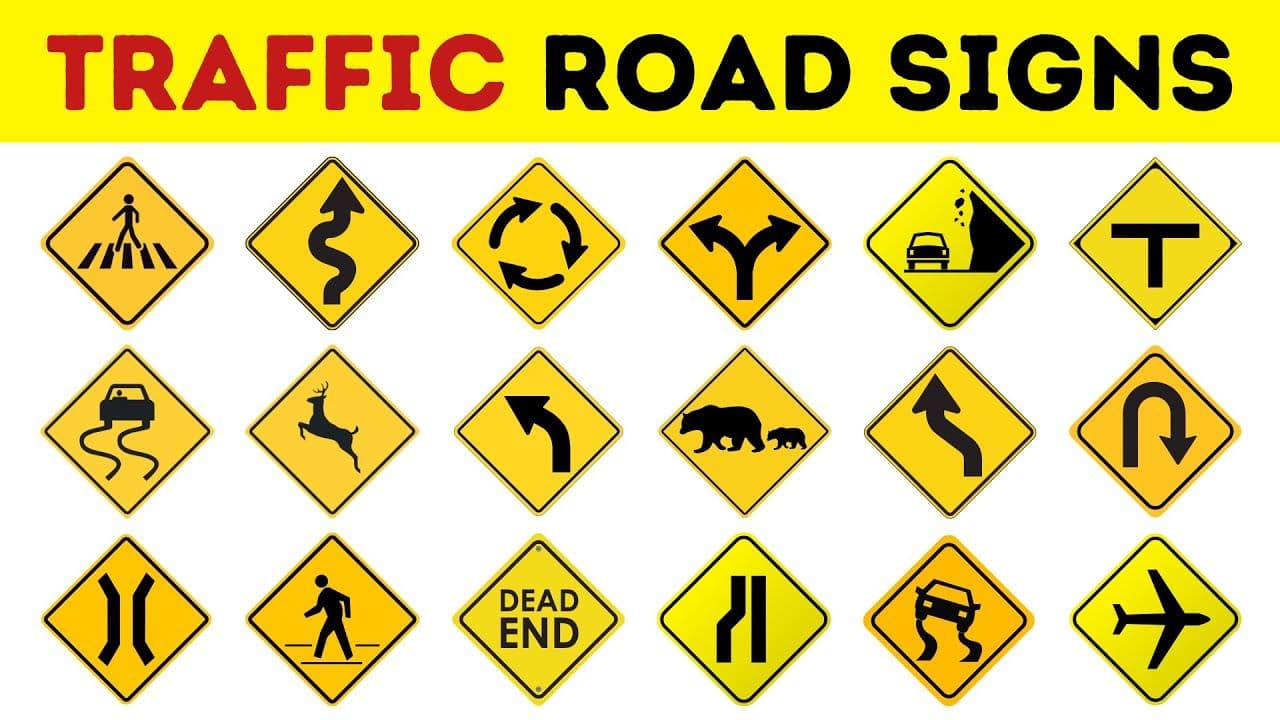
On the road, every second counts. Drivers must process information quickly while moving at speed. Black and yellow provide one of the highest contrast ratios in human vision, making signs readable even from a distance. Against bright skies, headlights at night, or crowded urban backdrops, the combination holds its ground better than most other color pairs.
Colors carry meaning. Yellow, in particular, is tied to caution, alertness, and attention. It is the same reason it dominates warning labels, hazard stripes, and even school buses. Black, on the other hand, gives weight and boldness, ensuring text or symbols stand out. Together, they send a universal signal: slow down, be alert, something matters here.
Not all colors survive in different lighting. Blue fades under glare. Red loses impact under certain headlights. But yellow reflects strongly under both daylight and artificial lights. Combined with black, it ensures messages remain clear whether at noon on a highway or under dim street lamps. This reliability is why engineers favor the pairing in critical signage.
Black-and-yellow road signs are not just local choices; they are global. From North America to Africa, Europe to Asia, the combination is almost universally recognized as a cautionary palette. This standardization reduces confusion for international drivers and strengthens the global “road language.”
Beyond psychology, there’s engineering logic. Yellow paints and reflective films retain brightness longer under weather exposure. Black inks and coatings resist fading, keeping the contrast sharp. For municipalities, it means fewer replacements, less maintenance cost, and more consistent safety performance.
It’s fair to ask: why not green, blue, or white? The answer lies in purpose-specific coding. Green is for directions, blue for services, and red for prohibitions. Black and yellow occupy the crucial niche of warning and hazard, where quick recognition matters more than aesthetics.
Road signs aren’t painted black and yellow by chance — they’re engineered for survival, clarity, and human instinct. The combination is bold enough to pierce distraction, flexible enough for all light conditions, and powerful enough to trigger caution across cultures. Next time you see that bright yellow triangle with a sharp black symbol, remember: it’s the science of safety at work.




0 comments