
Your Read is on the Way
Every Story Matters
Every Story Matters
The Hydropower Boom in Africa: A Green Energy Revolution Africa is tapping into its immense hydropower potential, ushering in an era of renewable energy. With monumental projects like Ethiopia’s Grand Ethiopian Renaissance Dam (GERD) and the Inga Dams in the Democratic Republic of Congo, the continent is gearing up to address its energy demands sustainably while driving economic growth.
Northern Kenya is a region rich in resources, cultural diversity, and strategic trade potential, yet it remains underutilized in the national development agenda.

Can AI Help cure HIV AIDS in 2025

Why Ruiru is Almost Dominating Thika in 2025

Mathare Exposed! Discover Mathare-Nairobi through an immersive ground and aerial Tour- HD

Bullet Bras Evolution || Where did Bullet Bras go to?
One trapped soldier can trigger helicopters, fighters, and commandos.
History proves Washington does not walk away from its own.
Why One Missing Soldier Can Change an Entire Battlefield
There is a pattern that appears again and again across modern American wars: when a soldier is cut off, captured, or stranded behind hostile lines, the response quickly grows far larger than the situation itself.
Jets are scrambled. Special-operations teams deploy. Entire rescue corridors are forced open through contested territory.
This is not improvisation. It is doctrine—and it has shaped some of the boldest rescue missions in modern military history.
Here are five moments when the United States showed just how far it is willing to go.
1. The Night America Flew Deep Into North Vietnam for POWs
During the Son Tay Raid, American planners approved a high-risk helicopter assault near Hanoi itself—one of the most heavily defended airspaces of the Cold War era.
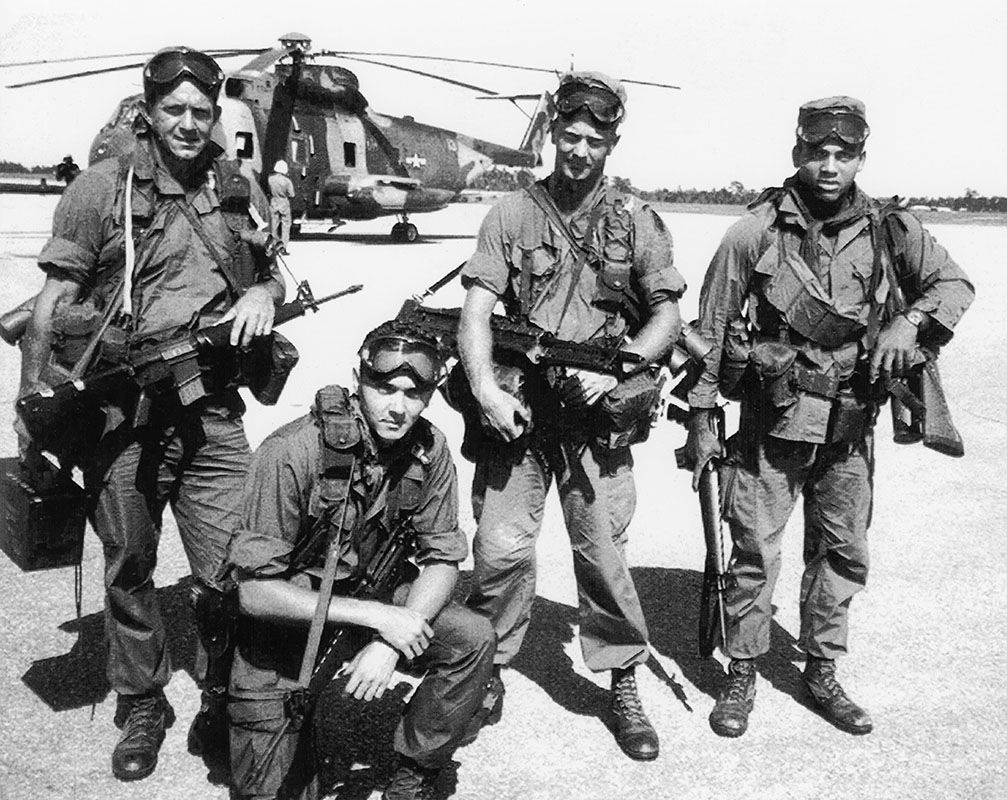
Dozens of aircraft supported the mission. Commandos landed precisely inside the prison compound.
The prisoners had already been moved.
Still, the raid shocked adversaries and reassured American forces worldwide that captivity would never be quietly accepted.
2. Mogadishu: Armored Columns Rolled Into a City at Night
The Battle of Mogadishu began as a targeted operation but turned into a desperate rescue effort after two helicopters were shot down in hostile streets.
Instead of pulling back, U.S. forces pushed forward.
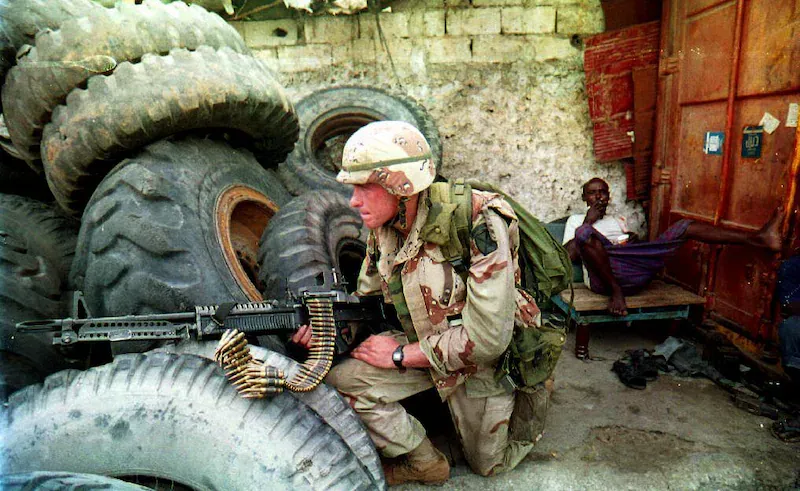
Convoys fought through barricades and gunfire for hours just to reach trapped aircrews and Rangers holding crash sites under siege. The mission became one of the clearest demonstrations that rescuing personnel can override nearly every other battlefield priority.
3. A Helicopter Went Back Into Gunfire on a Frozen Afghan Peak
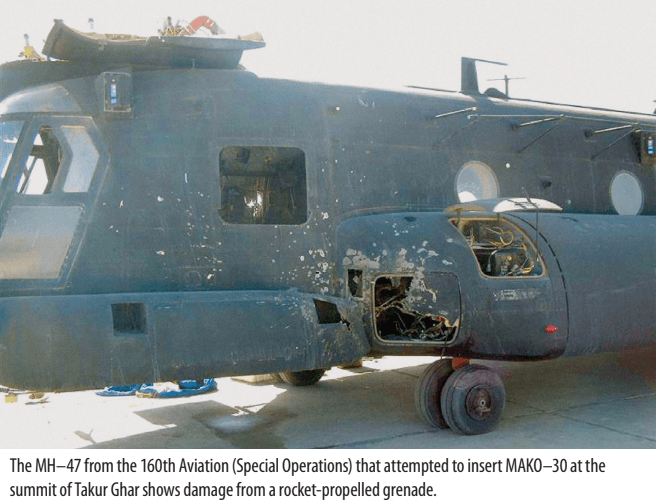
During the Battle of Takur Ghar, a Navy SEAL fell from a helicopter onto an enemy-held ridge.
Another helicopter returned immediately to retrieve him.
It came under fire. Reinforcements followed anyway.
Multiple attempts were made to land on the same dangerous mountaintop—proof that extraction efforts do not stop simply because the battlefield becomes lethal.
4. Operation Red Wings Triggered a Massive Rescue Push
The mission known as Operation Red Wings began as reconnaissance but quickly turned into a survival emergency when a team became trapped in Taliban-controlled mountains.
A rescue helicopter carrying elite reinforcements was shot down before reaching them.
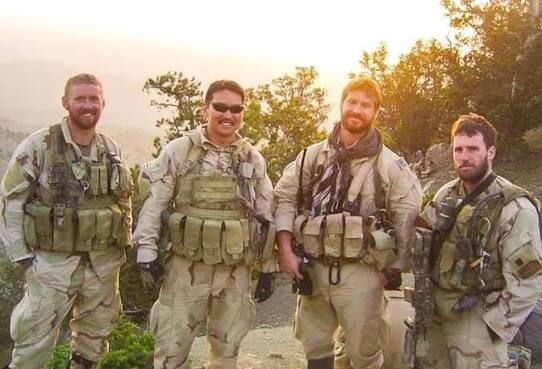
Even after that loss, search-and-rescue operations expanded rather than slowed. Additional aircraft, intelligence assets, and ground teams moved in until the lone surviving team member was eventually recovered alive.
5. One Captured Soldier Sparked a Nighttime Extraction in Iraq
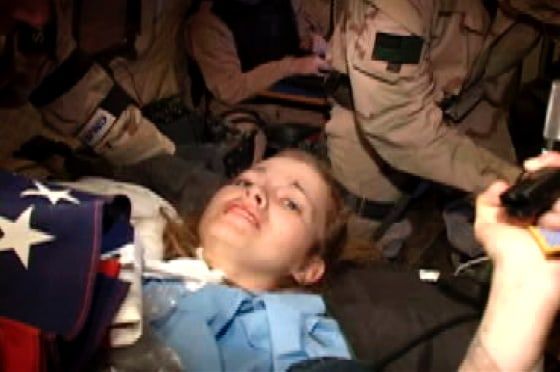
When U.S. Army Private First Class Jessica Lynch was captured during the early phase of the Iraq War, special-operations forces launched a direct nighttime raid into the facility where she was being held.
Helicopters inserted troops straight into the objective zone.
Surveillance aircraft watched overhead.
An entire rescue architecture formed around recovering one soldier—and it worked.
The Message Behind These Missions
These operations were risky. Some were costly. A few nearly failed.
But they established something powerful inside the American military system: the expectation that if a soldier is isolated, someone is coming.
That expectation changes how troops fight—and how adversaries plan.
Because history shows one consistent truth: when Americans are stranded, rescue is not optional. It becomes the mission.




0 comments