
Your Read is on the Way
Every Story Matters
Every Story Matters
The Hydropower Boom in Africa: A Green Energy Revolution Africa is tapping into its immense hydropower potential, ushering in an era of renewable energy. With monumental projects like Ethiopia’s Grand Ethiopian Renaissance Dam (GERD) and the Inga Dams in the Democratic Republic of Congo, the continent is gearing up to address its energy demands sustainably while driving economic growth.
Northern Kenya is a region rich in resources, cultural diversity, and strategic trade potential, yet it remains underutilized in the national development agenda.
Can AI Help cure HIV AIDS in 2025

Why Ruiru is Almost Dominating Thika in 2025

Mathare Exposed! Discover Mathare-Nairobi through an immersive ground and aerial Tour- HD

Bullet Bras Evolution || Where did Bullet Bras go to?
It begins quietly—with a bite you barely notice. But in places like Mombasa, Likoni, Nyali, and Kisauni, a once-quiet virus is roaring back. The World Health Organization (WHO) has issued a stark warning: chikungunya, a mosquito-borne virus that devastated half a million lives two decades ago, is re-emerging—fast and furious.
The warning isn’t just a whisper of concern; it’s a global siren. With over 5.6 billion people now estimated to be living in chikungunya-risk zones across 119 countries, the WHO fears a déjà vu of the 2004–2005 epidemic, which began in small Indian Ocean islands and later spread like wildfire around the world. That nightmare, it seems, is ready for an encore—and Kenya is back on the frontlines.
Kenya’s own struggle with the virus reignited in June 2025 when 25 out of 45 suspected cases in Mombasa tested positive. The epicenters? Mvita, Nyali, Kisauni, and Likoni.
According to the Kenya Medical Research Institute (KEMRI), the Aedes aegypti and Aedes albopictus mosquitoes—those sneaky, daytime biters—are back in action, carrying the virus from household to household with terrifying efficiency. While malaria-bearing mosquitoes attack mostly at night, these ones strike during daylight hours, often indoors, and usually go unnoticed until symptoms emerge.
Unlike many other tropical illnesses, chikungunya doesn’t just pass through you. It lingers, leaving victims with intense, persistent joint pain that can last months—or even years. Some may dismiss it as “just a fever,” but the reality is far more brutal.
Common symptoms include:

-Sudden high fever
-Severe joint and muscle pain
-Swelling in the joints
-Rashes, headaches, fatigue, and nausea
Though the disease is generally self-limiting, vulnerable populations—especially the elderly, children, and those with underlying health conditions—face increased risk of complications, including organ damage and death.
Currently, no vaccine or specific antiviral treatment exists for chikungunya. Patients are advised to manage symptoms using paracetamol (or acetaminophen) for pain and fever. Adequate hydration, rest, and ongoing monitoring are also crucial.
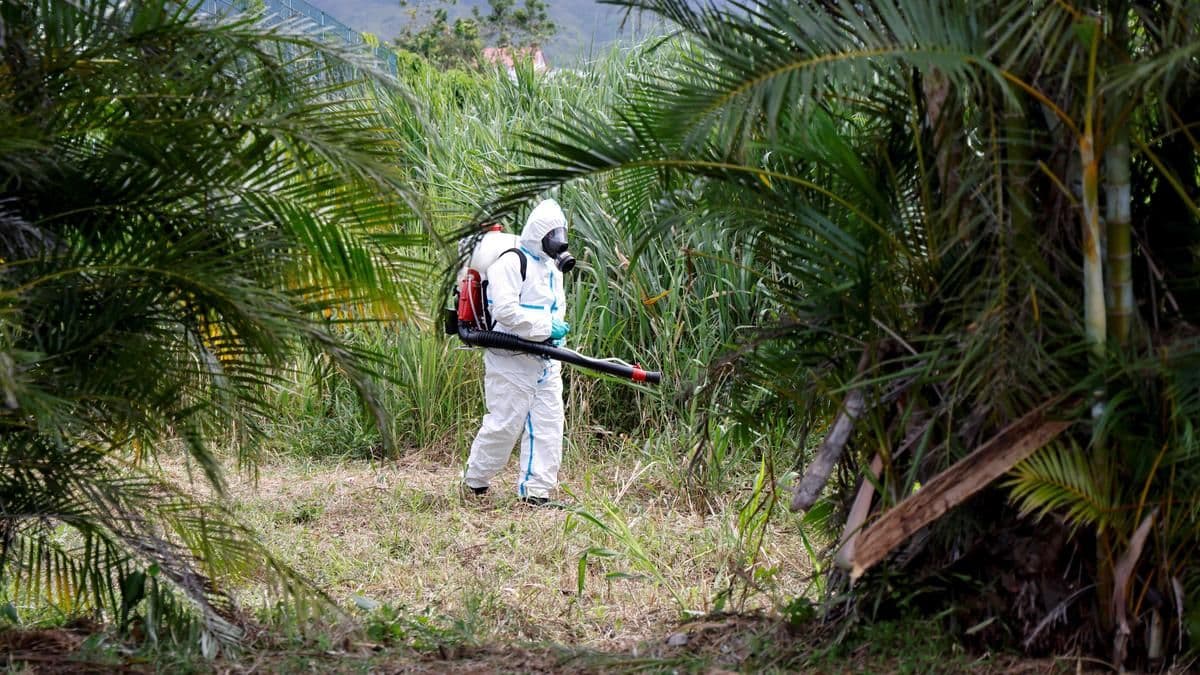
The WHO is urging countries—especially those in tropical and sub-tropical regions—to adopt aggressive vector control strategies and improve public awareness. The goal? Prevent mosquito bites before they happen. That means:
-Wearing long-sleeved clothing
-Using mosquito repellents with DEET, IR3535, or icaridin
-Installing window and door screens
-Sleeping under mosquito nets—even during daytime naps
The echoes of 2005 are too loud to ignore. From Mauritius and Mayotte to La Réunion and now Kenya, chikungunya is tracing its old path—but on a larger, potentially deadlier scale. WHO’s Diana Rojas Alvarez didn't mince words when she said, “We are seeing history repeat itself.” And she’s not wrong.
But the global community, and especially countries like Kenya that have seen this before, have a chance to intervene before it’s too late. Prevention is no longer optional—it’s urgent. As the virus moves, so must the response.




0 comments