
Your Read is on the Way
Every Story Matters
Every Story Matters
The Hydropower Boom in Africa: A Green Energy Revolution Africa is tapping into its immense hydropower potential, ushering in an era of renewable energy. With monumental projects like Ethiopia’s Grand Ethiopian Renaissance Dam (GERD) and the Inga Dams in the Democratic Republic of Congo, the continent is gearing up to address its energy demands sustainably while driving economic growth.
Northern Kenya is a region rich in resources, cultural diversity, and strategic trade potential, yet it remains underutilized in the national development agenda.
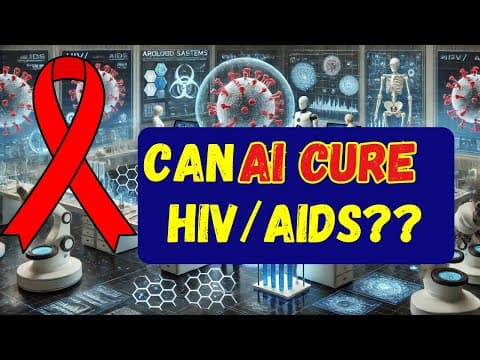
Can AI Help cure HIV AIDS in 2025

Why Ruiru is Almost Dominating Thika in 2025

Mathare Exposed! Discover Mathare-Nairobi through an immersive ground and aerial Tour- HD

Bullet Bras Evolution || Where did Bullet Bras go to?
As protests unfold across cities, including Nairobi’s CBD, encounters with riot control agents like teargas are becoming more frequent. While the goal of peaceful assembly remains clear, state responses can sometimes spiral into intense crowd dispersals. Teargas, a common crowd-control weapon, affects the eyes, skin, and respiratory system and can incapacitate individuals within seconds. Here’s how to shield yourself before, during, and after exposure to teargas.
Teargas is a chemical compound designed to cause temporary irritation. Its effects are short-lived but intense:
-Eyes: Burning, tearing, and temporary blindness
-Lungs: Coughing, choking, chest tightness
-Skin: Burning sensation, especially in moist areas
Psychological: Panic, disorientation
Understanding what it does is your first line of defense.
Preparation is critical. Here’s what to have and wear:
-Protective eyewear: Swim goggles or airtight safety goggles can help shield your eyes.
-Face covering: Use a gas mask if possible. If not, a damp cloth or scarf over your mouth and nose helps reduce inhalation.
-Clothing: Cover your skin. Wear long sleeves, long pants, and avoid wearing contact lenses or makeup. Contacts can trap chemicals and makeup might dissolve, worsening irritation.
-Essentials: Carry water, saline eye wash, vinegar-soaked cloth (for mask), and first aid supplies. Have your ID, phone, and emergency contact info.
If canisters are fired near you, don’t panic. Your instincts will be tested—breathe, then act fast:
1.Don’t run blindly – Move quickly away from the source, preferably upwind.
2.Stay low – Teargas is heavier than air and stays low; crouch or crawl if needed.
3.Avoid enclosed spaces – The gas is more potent indoors or in tight areas.
4.Don’t touch your face – This can transfer the chemical from your hands to your eyes or mouth.
5.Remove contaminated clothing – Once in a safe space, strip and seal the clothes in a plastic bag.
After escaping the cloud:
-Eyes: Rinse with saline solution or clean water. Blink rapidly to flush particles. Avoid rubbing.
-Skin: Wash thoroughly with soap and cold water. Avoid hot water—it opens pores.
-Breathing: Coughing is normal. Breathe slowly and deeply once in fresh air.
-Clothes: Contaminated items can continue to emit gas; seal them and wash separately.
Ignore myths—milk does not help, and neither do lemon juice or other kitchen concoctions. Stick to saline or clean water. Professional medical attention is crucial if symptoms worsen.
Have a buddy. Stay in groups and keep track of one another. In the event someone is badly affected, do not abandon them. Carry them out or signal for help.






0 comments