
Your Read is on the Way
Every Story Matters
Every Story Matters
The Hydropower Boom in Africa: A Green Energy Revolution Africa is tapping into its immense hydropower potential, ushering in an era of renewable energy. With monumental projects like Ethiopia’s Grand Ethiopian Renaissance Dam (GERD) and the Inga Dams in the Democratic Republic of Congo, the continent is gearing up to address its energy demands sustainably while driving economic growth.
Northern Kenya is a region rich in resources, cultural diversity, and strategic trade potential, yet it remains underutilized in the national development agenda.
Can AI Help cure HIV AIDS in 2025

Why Ruiru is Almost Dominating Thika in 2025

Mathare Exposed! Discover Mathare-Nairobi through an immersive ground and aerial Tour- HD

Bullet Bras Evolution || Where did Bullet Bras go to?
Laser Skin Tightening: Everything You Need to Know
Laser skin tightening is a non-surgical cosmetic procedure designed to reduce skin laxity, smooth out wrinkles, and promote collagen production using targeted laser technology. It's often chosen by individuals looking for a less invasive alternative to facelifts or other surgical interventions.
Laser skin tightening works by directing infrared light or radiofrequency energy into the deeper layers of the skin. This heat stimulates the production of collagen and elastin—proteins essential for youthful, firm skin. Over time, this results in tighter, more toned skin. The upper layers of the skin remain intact, which means minimal downtime compared to surgical treatments.
There are different types of lasers used, including:
1.Nd:YAG Lasers – often used for deep tissue heating.
2.Fractional CO₂ Lasers – used for more aggressive skin resurfacing and tightening.
3.Radiofrequency (RF) and Ultrasound Devices – such as Thermage or Ultherapy, which function similarly but use different energy waves.
Laser skin tightening is effective for treating:
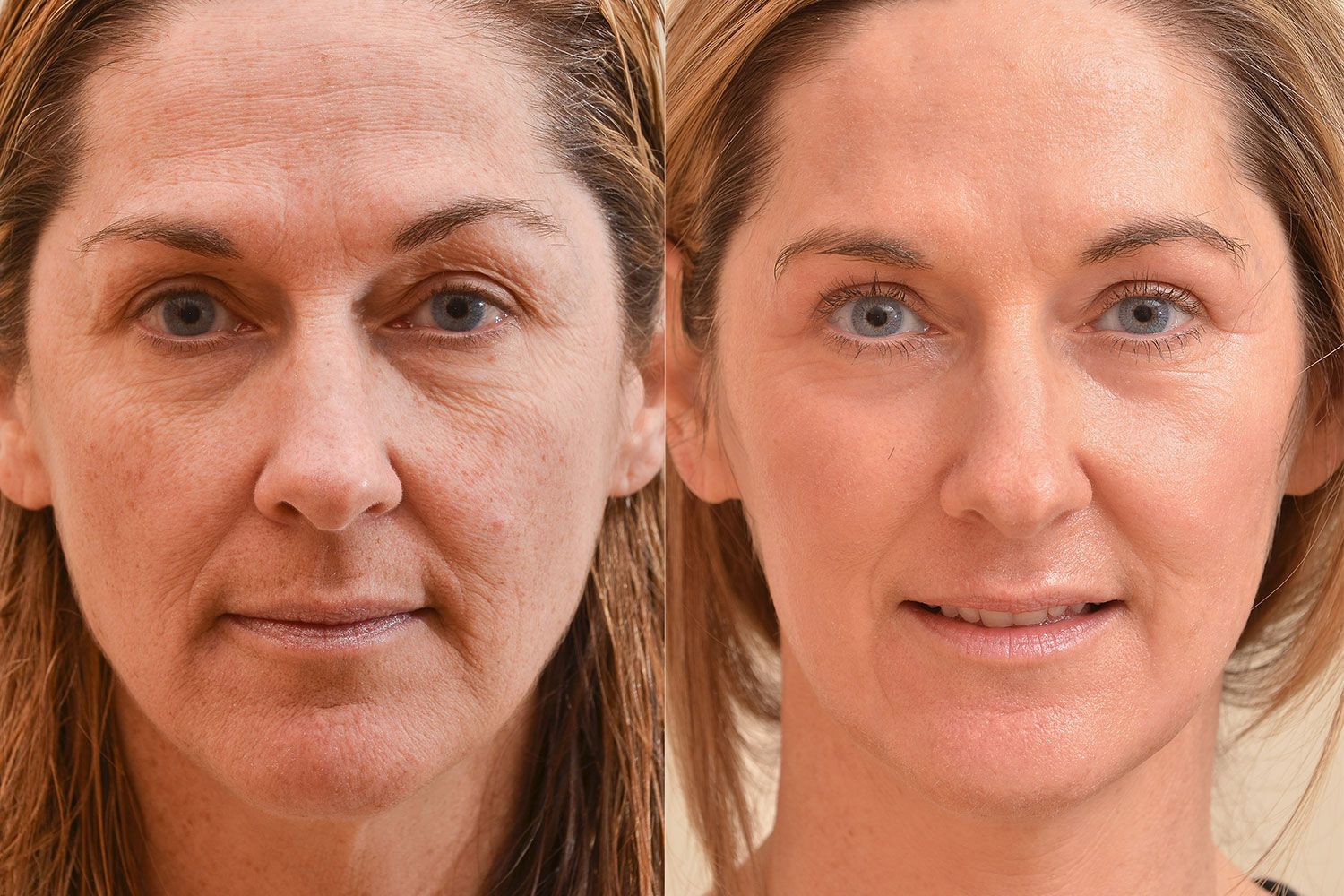
1.Sagging skin on the face, neck, and body
2.Fine lines and wrinkles
3.Loose jowls or double chin
4.Stretch marks and mild scarring
5.Early signs of aging
It’s especially popular for targeting the lower face and jawline, under-eye area, and even the stomach and thighs after weight loss or pregnancy.
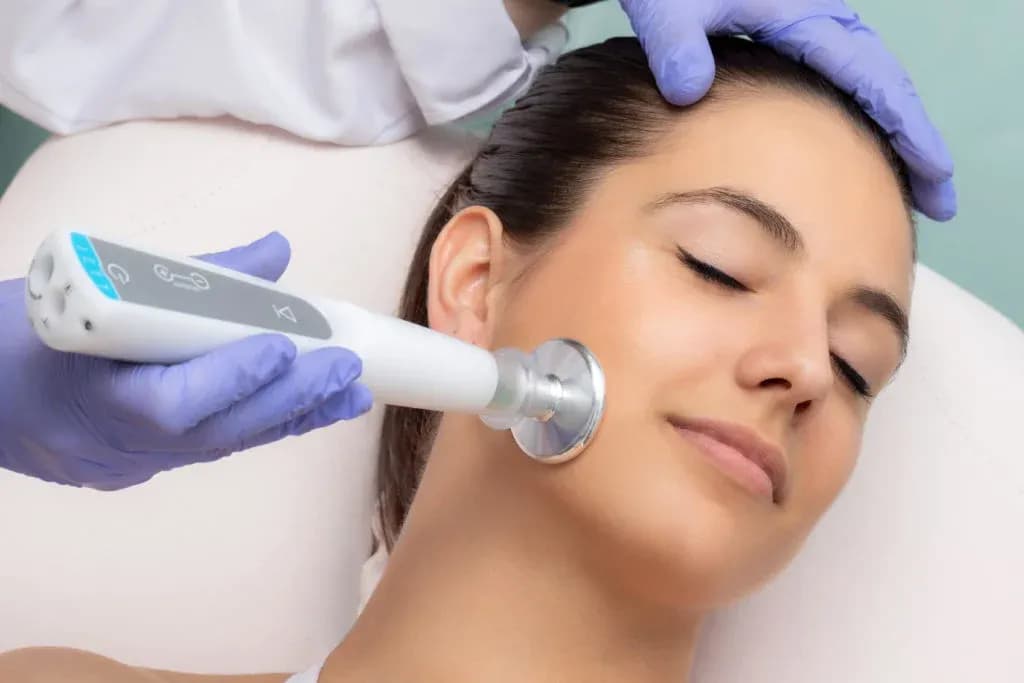
Sessions typically last between 30 to 60 minutes depending on the treatment area. A handheld laser device is passed over the skin, delivering precise energy pulses. Most patients report a warming sensation or mild discomfort, but it's generally well-tolerated. A topical numbing cream may be applied beforehand for added comfort.
Multiple sessions (usually 3 to 6) spaced a few weeks apart are often recommended for optimal results, although some devices can yield improvements after just one treatment.
There is minimal downtime. Mild redness, swelling, or sensitivity may occur but typically resolves within a day or two. Aftercare is simple: avoid sun exposure, wear SPF daily, and follow your provider’s skincare advice.
Results appear gradually as collagen regenerates over 2–6 months, with full effects lasting up to two years. Maintenance treatments may be needed annually.
While considered safe for most skin types, potential risks include:
1.Hyperpigmentation or hypopigmentation
2.Mild burns or blisters (rare with experienced providers)
3.Temporary swelling or redness
It’s crucial to consult a certified dermatologist or licensed practitioner, especially if you have darker skin tones or existing skin conditions.
1.Non-invasive with no incisions
2.Quick sessions with little to no downtime
3.Stimulates natural collagen growth
4.Versatile treatment areas
5.Long-lasting results with maintenance
Conclusion
Laser skin tightening is an effective, modern solution for firming and rejuvenating the skin without the need for surgery. While not a miracle cure, it provides noticeable improvements in skin texture, elasticity, and contour, particularly when started early in the aging process.




0 comments