
Your Read is on the Way
Every Story Matters
Every Story Matters
The Hydropower Boom in Africa: A Green Energy Revolution Africa is tapping into its immense hydropower potential, ushering in an era of renewable energy. With monumental projects like Ethiopia’s Grand Ethiopian Renaissance Dam (GERD) and the Inga Dams in the Democratic Republic of Congo, the continent is gearing up to address its energy demands sustainably while driving economic growth.
Northern Kenya is a region rich in resources, cultural diversity, and strategic trade potential, yet it remains underutilized in the national development agenda.

Can AI Help cure HIV AIDS in 2025

Why Ruiru is Almost Dominating Thika in 2025

Mathare Exposed! Discover Mathare-Nairobi through an immersive ground and aerial Tour- HD

Bullet Bras Evolution || Where did Bullet Bras go to?
Former Deputy President Rigathi Gachagua has issued a chilling warning to Kenyan families ahead of the planned June 25 memorial protests. In an emotional and charged statement, Gachagua alleged a deadly scheme to target the youth expected to pour into the streets in remembrance of those killed during last year’s anti-tax demonstrations.
According to the ex-DP, there is a covert plot already in motion, one that involves the hiring of criminal gangs by state operatives to infiltrate and unleash violence on the peaceful marchers. The purpose is to create chaos, justify a brutal crackdown, and sabotage any form of civic expression tied to last year’s events.
Speaking to Kameme FM, Gachagua didn’t mince his words. He accused President William Ruto and Nairobi Governor Johnson Sakaja of recruiting the same groups that often follow them around during political rallies. These individuals, he warned, are not just for show; they are now allegedly being weaponized against young protesters.
"I fear that if the youth take to the streets, they will be set up and killed," he said. His appeal was urgent and parental, urging Kenyans to keep their children at home. He painted the upcoming protest not as a peaceful civic act but as a potential slaughterhouse, calling the threat a calculated setup.
The former DP also referred to the recent unrest in Nairobi on June 12, during which vehicles were allegedly set ablaze amid calls for the arrest of DIG Eliud Lagat over the custodial death of Albert Ojwang’. Gachagua cast doubt on the legitimacy of these reports, claiming no vehicle owners had stepped forward and NTSA records showed the torched cars weren’t registered to anyone.
He framed the incident as a staged act, an excuse by the government to justify unleashing the police on protestors and to criminalize peaceful dissent.
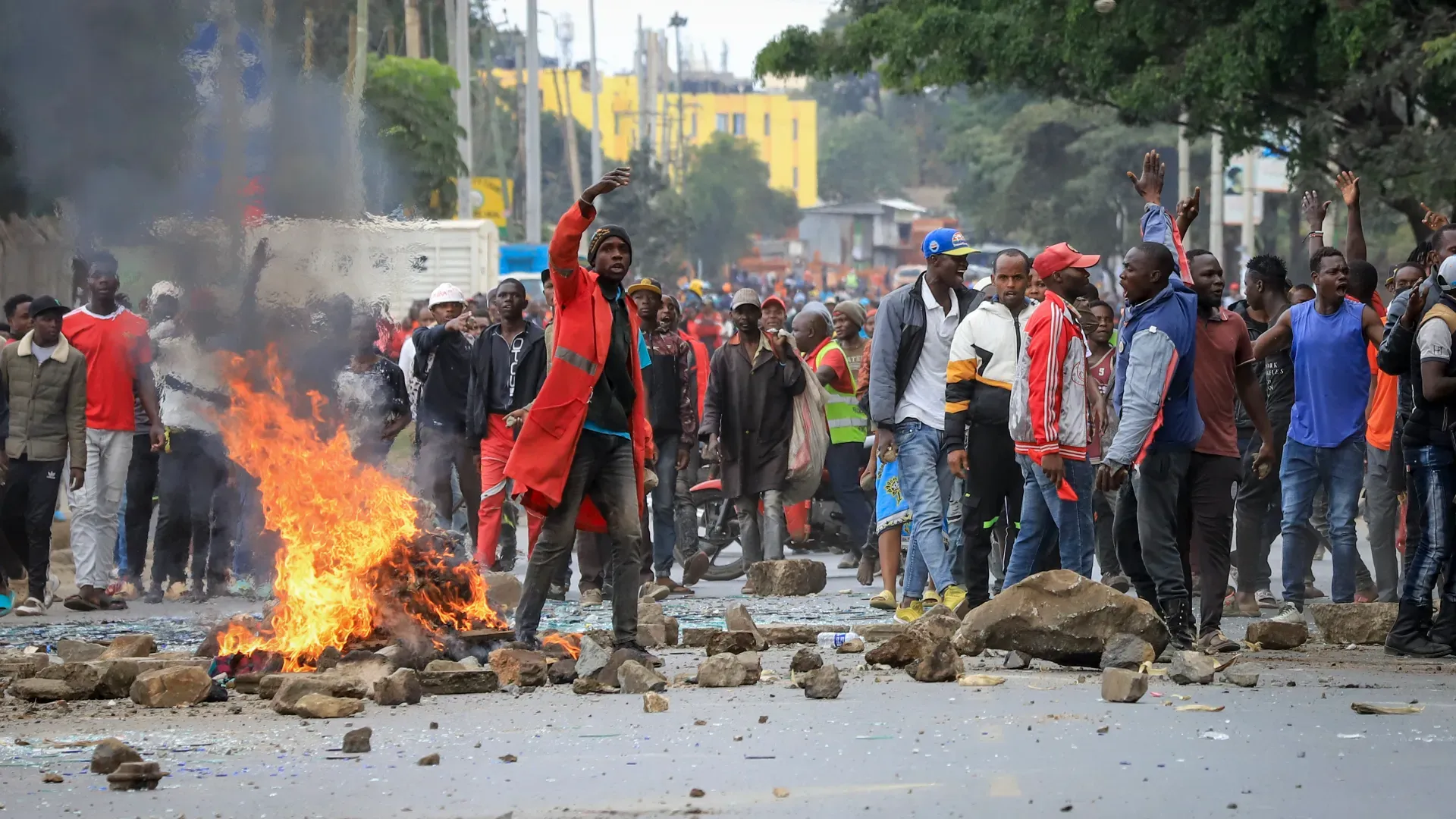
June 25 marks a painful chapter in Kenya’s recent past, one year since dozens of young Kenyans were killed or wounded in confrontations with police during anti-tax protests. The memory of that day has stirred civil society groups, opposition leaders, and grieving families to plan a public show of remembrance.
However, Gachagua’s urgent call now threatens to change the tone of the memorial. Instead of protests in the streets, he’s urging candlelight vigils at home, quiet and symbolic actions that would still honour the fallen without exposing others to further violence.
While Gachagua appeals for private mourning, Wiper Party Leader Kalonzo Musyoka has issued a more public call to action. Speaking during a church event in Kilifi, Kalonzo urged citizens to gather peacefully at Parliament Buildings and light candles in honour of the slain.
His approach echoes civil resistance traditions across the world, dignified, nonviolent, and powerful in symbolism. But given Gachagua’s alarming warnings, it remains to be seen whether Kenyans will feel safe enough to turn up in person.
As June 25 approaches, Kenya is once again at the edge of political and civic confrontation. While the country reels from past tragedies, a clear division is emerging between those who advocate public protest to confront state violence and those who fear the state’s reaction may bring more bloodshed.
Rigathi Gachagua's warning has stirred national anxiety, casting a shadow over what was meant to be a solemn commemoration. Whether Kenyans mourn from their homes or the streets, one thing is certain: the scars of last year’s violence have yet to heal, and the government’s next move will define whether those wounds deepen or begin to close.






0 comments