
Your Read is on the Way
Every Story Matters
Every Story Matters
The Hydropower Boom in Africa: A Green Energy Revolution Africa is tapping into its immense hydropower potential, ushering in an era of renewable energy. With monumental projects like Ethiopia’s Grand Ethiopian Renaissance Dam (GERD) and the Inga Dams in the Democratic Republic of Congo, the continent is gearing up to address its energy demands sustainably while driving economic growth.
Northern Kenya is a region rich in resources, cultural diversity, and strategic trade potential, yet it remains underutilized in the national development agenda.

Can AI Help cure HIV AIDS in 2025

Why Ruiru is Almost Dominating Thika in 2025

Mathare Exposed! Discover Mathare-Nairobi through an immersive ground and aerial Tour- HD

Bullet Bras Evolution || Where did Bullet Bras go to?
Raila Odinga’s decision to donate a five-acre parcel of land in Kisumu to President William Ruto’s affordable housing initiative is both symbolic and strategic. Though a prominent opposition figure, Odinga’s gesture signals a shift toward collaboration and nation-building, particularly around urgent issues such as housing and youth employment. Below are some of the primary motivations that may have influenced this move:
Raila Odinga has long positioned himself as a champion of socio-economic development in Kenya. His donation is consistent with his history of advocating for better living standards, urban planning, and infrastructure improvements. By offering land for affordable housing, he is demonstrating his willingness to back initiatives that benefit ordinary Kenyans, regardless of who is in power.
This act underscores his recognition of the affordable housing agenda as a national development priority—one that addresses the growing demand for decent, secure, and dignified shelter for millions of citizens. In making this contribution, Odinga is reinforcing the idea that effective leadership transcends political rivalries and is rooted in practical efforts to uplift communities.
One of the central goals of the affordable housing program is job creation, especially for young people, artisans, and small-scale contractors. Raila Odinga’s decision to donate land directly supports this objective by enabling a project that will require local labor for construction, infrastructure development, and post-construction maintenance.
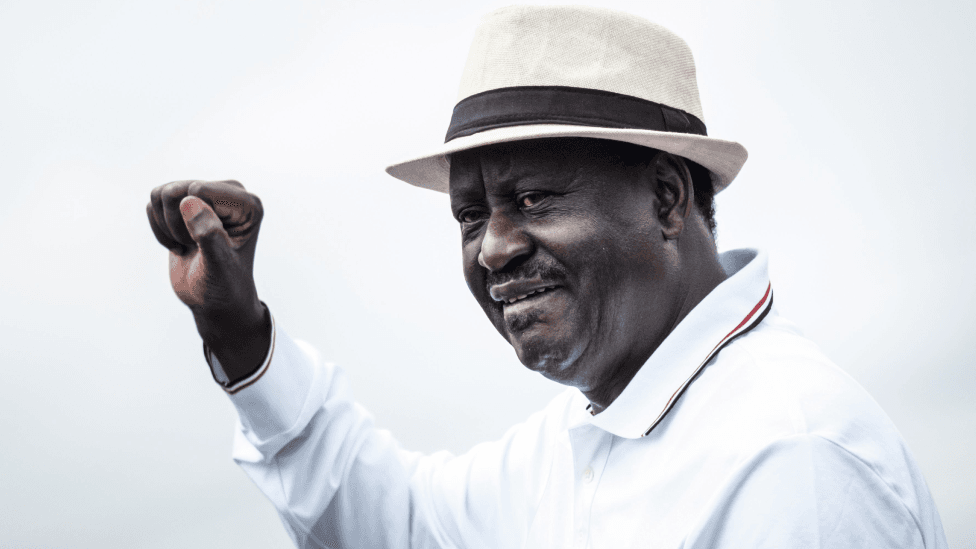
Unemployment, particularly among youth, remains a major challenge in Kenya, and initiatives like this can have a catalytic effect on regional economies. By backing the program, Odinga is not only enabling access to housing but also supporting broader economic empowerment for individuals and families. This aligns with his previous calls for youth-centered economic policies and programs that promote inclusive growth.
Raila Odinga’s donation also sends a powerful message of political maturity and unity. Coming from a leader who has historically been on the opposite side of President Ruto politically, the gesture is significant. It highlights his willingness to work across the aisle for the sake of national interests. In a country where political divisions often stall development, this act of cooperation can help to ease tensions and build bridges.
It reflects an understanding that Kenya’s development needs are too urgent to be sidelined by partisan disputes. By showing a willingness to collaborate with the government on initiatives that benefit citizens, Odinga reinforces the importance of unity in achieving sustainable progress.
Another important factor is Raila’s consistent advocacy for the sustainable use of land. He has previously warned against uncontrolled urban sprawl and the unplanned subdivision of agricultural land, particularly in rural and peri-urban areas. His donation of land for a structured housing project reflects his commitment to planned development and land optimization.
Rather than letting valuable land lie idle or be sold off in unsustainable fragments, he is contributing to a larger vision of urban planning that includes affordable housing, access to infrastructure, and environmental sustainability. This also sets an example for other landowners and leaders who may have the resources to contribute to similar initiatives in other parts of the country.
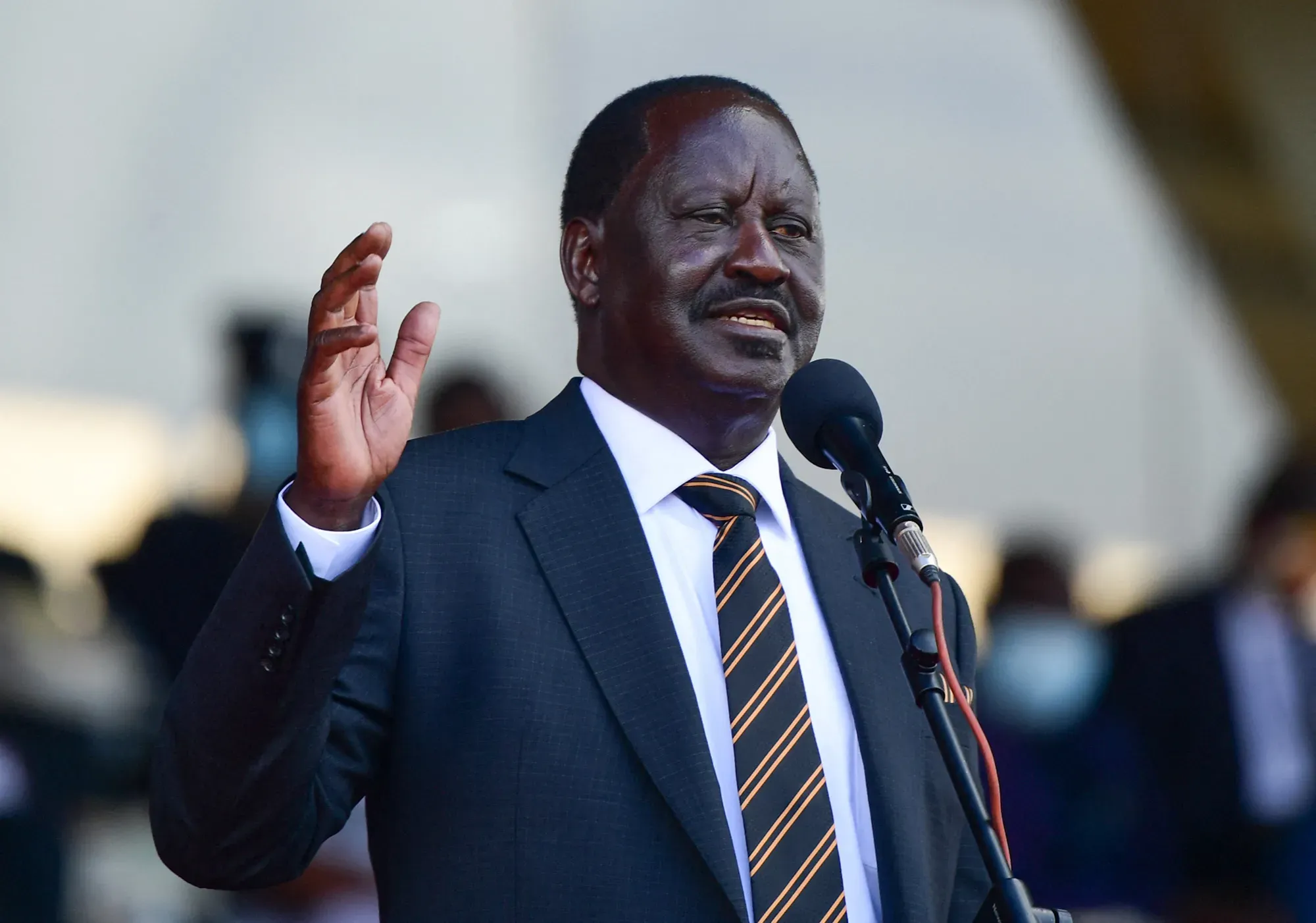
Raila Odinga’s involvement in housing policy dates back to his time as Prime Minister in the Grand Coalition Government between 2008 and 2013. During that period, he supported initiatives focused on expanding access to affordable housing and improving urban infrastructure. His latest gesture can be seen as a continuation of this legacy—an effort to support a national policy agenda he helped to shape years ago.
Even though the current implementation is under a different administration, the principles behind it—decent housing, urban renewal, job creation—resonate with the vision Odinga has long promoted. By donating his own land, he is not only supporting the current initiative but also reaffirming his personal and political commitment to these long-term development goals.
Raila Odinga’s donation of land for affordable housing is a powerful gesture that combines pragmatism, patriotism, and vision. It demonstrates his commitment to national development, his desire to promote job creation and economic inclusion, and his willingness to rise above political divisions in the interest of unity and progress.
At the same time, it reflects his consistent advocacy for sustainable land use and his enduring legacy in public policy related to housing and infrastructure. In a time when Kenyan citizens are seeking solutions to real-world problems, Odinga’s move may serve as a model for other leaders to prioritize collaboration and service over conflict and competition.




0 comments