
Your Read is on the Way
Every Story Matters
Every Story Matters
The Hydropower Boom in Africa: A Green Energy Revolution Africa is tapping into its immense hydropower potential, ushering in an era of renewable energy. With monumental projects like Ethiopia’s Grand Ethiopian Renaissance Dam (GERD) and the Inga Dams in the Democratic Republic of Congo, the continent is gearing up to address its energy demands sustainably while driving economic growth.
Northern Kenya is a region rich in resources, cultural diversity, and strategic trade potential, yet it remains underutilized in the national development agenda.

Can AI Help cure HIV AIDS in 2025

Why Ruiru is Almost Dominating Thika in 2025

Mathare Exposed! Discover Mathare-Nairobi through an immersive ground and aerial Tour- HD

Bullet Bras Evolution || Where did Bullet Bras go to?
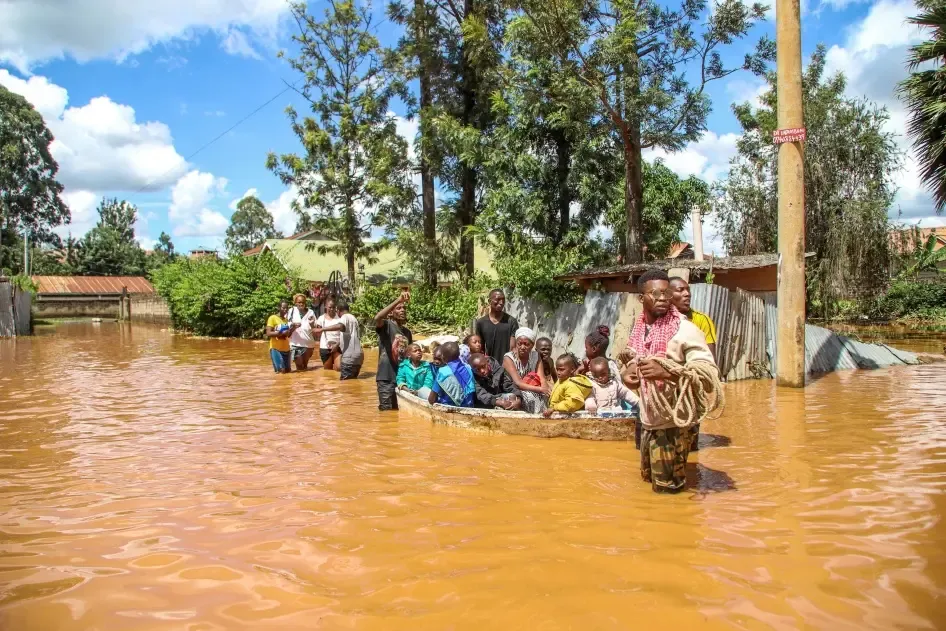
When rains intensify for several days or weeks, drainage systems become overwhelmed and clean water sources easily mix with sewage and surface runoff. This contamination allows disease-causing bacteria and parasites to spread rapidly through communities.
Urban settlements with limited sanitation infrastructure face the greatest danger, especially where pit latrines overflow or rivers break their banks. In rural areas, shallow wells and open water sources are also highly vulnerable during prolonged rainfall periods.
Under these conditions, several waterborne diseases typically emerge almost simultaneously rather than individually.
Cholera is often the first and most serious disease expected when flooding disrupts sanitation systems. It spreads through contaminated drinking water and can escalate quickly in crowded settlements.
Symptoms include severe diarrhea, dehydration, and rapid weakness. Without prompt treatment, the disease can become fatal within hours, particularly among children and older adults.
Historically, cholera outbreaks in Kenya have followed periods of heavy rainfall when water infrastructure becomes compromised.
Typhoid fever is another major concern during extended wet seasons. Unlike cholera, it spreads more gradually but can affect large populations over time.
It is transmitted through contaminated food and water and often appears in areas where clean cooking conditions are difficult to maintain during floods.
Symptoms typically include prolonged fever, abdominal pain, and weakness. Because the illness develops slowly, it can circulate widely before detection.
Dysentery becomes more common when children are exposed to unsafe water or poor hygiene conditions. The disease causes severe stomach pain and bloody diarrhea and spreads easily in schools and crowded households.
More broadly, acute diarrheal infections increase significantly whenever water storage containers, rivers, and boreholes become contaminated. These illnesses are among the leading causes of school absenteeism during rainy seasons.
Young children are particularly vulnerable because their immune systems are still developing.
Hepatitis A spreads through contaminated food and drinking water and often emerges after extended sanitation disruptions. It affects the liver and can cause fatigue, nausea, and jaundice.
Although many patients recover fully, outbreaks can place additional strain on already stretched health facilities during rainy periods.
The disease is especially likely where communities rely on untreated water sources.
In densely populated urban neighborhoods, drainage systems are often insufficient to handle prolonged rainfall. Floodwater may carry waste into homes, water storage containers, and public spaces.
Children walking through stagnant water or playing near flooded areas face increased exposure risks. Schools without structured sanitation facilities also become vulnerable environments for disease transmission.
Access to clean drinking water becomes the most critical protection factor in these communities.
While urban flooding receives more attention, rural households that rely on rivers, springs, and shallow wells also face serious risks during heavy rains.
Livestock waste, agricultural runoff, and soil erosion can contaminate water sources quickly. Without proper treatment methods such as boiling or filtration, families may unknowingly consume unsafe water.
Seasonal outbreaks in rural areas often go unreported until they affect large numbers of people.
Despite the risks, most waterborne diseases linked to rainfall are preventable. Communities can reduce exposure through simple but effective measures such as boiling drinking water, washing hands regularly, covering storage containers, and avoiding floodwater contact where possible.
Local health systems typically increase surveillance during rainy seasons because early detection helps prevent outbreaks from spreading widely.
As rainfall continues in several regions, awareness and household hygiene practices remain essential in protecting public health.




0 comments