
Your Read is on the Way
Every Story Matters
Every Story Matters
The Hydropower Boom in Africa: A Green Energy Revolution Africa is tapping into its immense hydropower potential, ushering in an era of renewable energy. With monumental projects like Ethiopia’s Grand Ethiopian Renaissance Dam (GERD) and the Inga Dams in the Democratic Republic of Congo, the continent is gearing up to address its energy demands sustainably while driving economic growth.
Northern Kenya is a region rich in resources, cultural diversity, and strategic trade potential, yet it remains underutilized in the national development agenda.

Can AI Help cure HIV AIDS in 2025

Why Ruiru is Almost Dominating Thika in 2025

Mathare Exposed! Discover Mathare-Nairobi through an immersive ground and aerial Tour- HD

Bullet Bras Evolution || Where did Bullet Bras go to?
Kenya’s Tax System Is Being Rewritten in Real Time
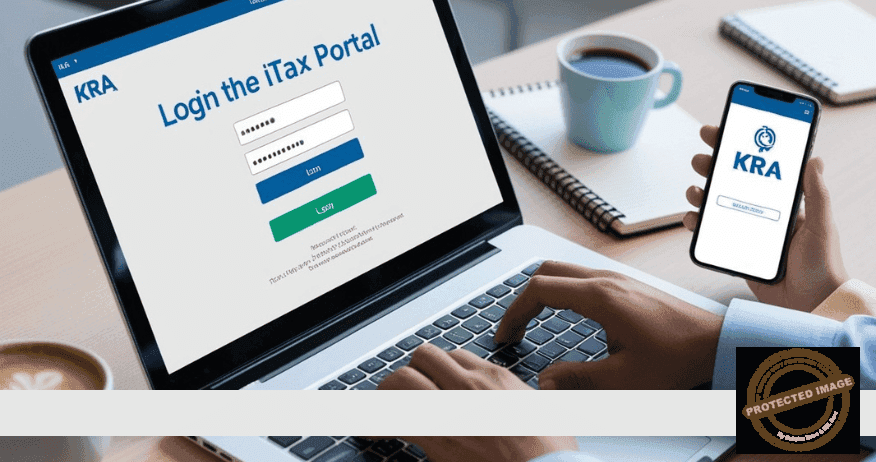
Kenya’s tax landscape is undergoing one of its most consequential shifts in decades — not through dramatic legislation or budget speeches, but through quiet engineering inside KRA’s digital systems. Over the past days and weeks, the authority has rolled out operational reforms that fundamentally change how tax returns are prepared, verified, and accepted.
What used to be a once-a-year scramble to beat filing deadlines is evolving into a continuous, data-driven compliance regime where returns are no longer declarations of truth but confirmations of records already held by the state.
This transition marks the end of a system built around trust and after-the-fact audits. In its place is a framework grounded in real-time verification, automated enforcement, and transaction-level compliance. Filing taxes in Kenya is no longer about explaining your numbers — it’s about aligning them with what KRA’s databases already know.
The End of Mass Filing and the Rise of Phased Compliance
One of the most visible changes now underway is the replacement of Kenya’s traditional single-deadline filing model with phased and segmented filing windows. Instead of millions of taxpayers crowding iTax in June, KRA is dividing taxpayers by income type, risk profile, and complexity, allowing different categories to file at different times.
Employees with straightforward PAYE income increasingly receive pre-filled returns, with salary data automatically populated from employer submissions. The taxpayer’s role shifts from calculating income to simply confirming accuracy. Professionals, landlords, and business owners receive tailored filing prompts aligned to their income structures and compliance histories.
This approach achieves two goals simultaneously. It reduces system congestion, which has historically crippled filing seasons, and it allows KRA to focus enforcement where risk is highest rather than spreading compliance resources thinly across the entire tax base. Filing becomes less chaotic — and far more controlled.
Real-Time Validation Replaces Trust-Based Reporting
The most transformative shift lies in how KRA now evaluates the credibility of returns. Historically, taxpayers declared income and expenses, and audits came later — if at all. That model is collapsing.
KRA is now validating declared figures against electronic datasets already within government systems, including employer payroll submissions, withholding tax records, customs data, and — increasingly — transaction-level invoice data generated through eTIMS. If a claimed expense does not exist in the digital ecosystem, it risks being rejected outright or flagged automatically for enforcement review.

This fundamentally changes the power dynamic in tax filing. The return is no longer a statement of record — it is a reconciliation document. KRA no longer asks, “What did you earn?” It checks whether your filing aligns with what employers, banks, suppliers, and transactional systems have already reported.
For taxpayers, accuracy is no longer aspirational. It is algorithmically enforced.
eTIMS Becomes the Spine of Business Tax Compliance
Electronic Tax Invoice Management Systems (eTIMS) have quietly evolved from VAT tools into the central nervous system of business taxation. Initially framed as an anti-VAT evasion measure, eTIMS is now embedded in income tax expense validation, refund processing, tax clearance certification, and compliance risk profiling.
Businesses that fail to issue compliant electronic invoices increasingly find themselves unable to substantiate expense claims, unlock refunds, or qualify for tax compliance certificates. What once felt like a bureaucratic inconvenience has become an existential compliance gatekeeper.
This marks a deeper strategic shift. Rather than policing tax declarations after filing, KRA is enforcing compliance at the point of transaction. If your business activities are not digitally visible, they are fiscally invisible — and therefore unacceptable.
In effect, Kenya’s tax system is migrating from reporting-based enforcement to infrastructure-based enforcement, where compliance is baked into operational systems rather than negotiated after the fact.
Personalized Filing Replaces One-Size-Fits-All Enforcement
Another critical change underway is the move toward personalized taxpayer engagement. Instead of sending generic reminders to millions of users, KRA is now segmenting taxpayers based on income patterns, compliance history, employer submissions, and risk indicators.
Salaried employees receive simplified confirmations. Contractors and freelancers receive tailored filing prompts aligned to withholding tax records. Businesses with discrepancies receive early warnings and corrective guidance before filing deadlines even arrive.
This represents a shift from punishment-driven compliance to predictive compliance management. KRA is no longer waiting for errors — it is designing systems that prevent errors from being filed in the first place.
The taxpayer is no longer treated as a faceless account number. The system now “knows” who you are, what you earn, how you transact, and where inconsistencies emerge.
What This Means for Individuals
For employees and low-complexity taxpayers, the system becomes easier — but less forgiving. Pre-filled returns reduce friction, but discrepancies between employer submissions and personal filings are instantly visible. Nil returns are increasingly discouraged as dormant accounts are cleaned up systemically.
Filing becomes simpler but stricter. There is less room for error, and far less tolerance for omission.
What This Means for Businesses and Professionals
For business owners, professionals, contractors, and landlords, the shift is more disruptive. Informal recordkeeping, undocumented expenses, and loosely supported deductions are now structural liabilities. Without compliant electronic invoices, legitimate expenses risk being rejected by default.
Tax planning is shifting from creative accounting at filing stage to transaction integrity throughout the year. Compliance now begins at the point of sale, not at the end of the financial year.
For corporates, audits are becoming less about forensic reviews and more about automated system reconciliation. The real risk now lies in real-time mismatches, not post-filing investigations.
Why KRA Is Doing This Now
These reforms are unfolding against sustained revenue pressure, rising public debt, IMF-backed fiscal consolidation commitments, and growing resistance to overt tax rate hikes. Instead of expanding the tax burden politically, the state is deepening compliance structurally.
Rather than taxing more, KRA is leaking less.
Digitization allows the authority to widen the tax base, reduce evasion, and improve collection efficiency without triggering legislative backlash. The system itself becomes the tax enforcer.
This approach mirrors global trends, where governments increasingly rely on automated data verification rather than manual audits, penalties, and post-hoc enforcement.
The Bigger Picture: Filing Is Becoming Secondary
The deeper reality is this: tax filing is no longer the main compliance event. It is becoming a ceremonial confirmation of what has already been captured, reconciled, and validated throughout the year.
The real compliance battlefield now sits inside payroll systems, invoicing platforms, banking transactions, and digital procurement trails. By the time filing season arrives, most outcomes have already been determined.
Kenya’s tax system is not simply modernizing — it is hardening.
And the shift is unmistakable: compliance is no longer about trust. It is about alignment with data.





0 comments