
Your Read is on the Way
Every Story Matters
Every Story Matters
The Hydropower Boom in Africa: A Green Energy Revolution Africa is tapping into its immense hydropower potential, ushering in an era of renewable energy. With monumental projects like Ethiopia’s Grand Ethiopian Renaissance Dam (GERD) and the Inga Dams in the Democratic Republic of Congo, the continent is gearing up to address its energy demands sustainably while driving economic growth.
Northern Kenya is a region rich in resources, cultural diversity, and strategic trade potential, yet it remains underutilized in the national development agenda.

Can AI Help cure HIV AIDS in 2025

Why Ruiru is Almost Dominating Thika in 2025

Mathare Exposed! Discover Mathare-Nairobi through an immersive ground and aerial Tour- HD

Bullet Bras Evolution || Where did Bullet Bras go to?
When reports surfaced that Elon Musk had become the world’s first person worth more than $800 billion, the figure landed like a thunderclap. In a world where national budgets struggle to cross that threshold, the idea that one individual could command such wealth felt almost unreal — and for many, unsettling.
But the number, while dramatic, deserves a closer look. Because Musk isn’t sitting on hundreds of billions in cash, nor could he walk into a bank and withdraw even a fraction of that sum. What he holds instead is something more abstract, more volatile, and far more dependent on market belief than on money in the traditional sense.
This isn’t just about how rich Musk is. It’s about how modern wealth itself is measured — and why billionaire figures often say more about perception than purchasing power.
What “Net Worth” Actually Means in 2026
When analysts say Musk is “worth” $800 billion, they’re talking about net worth, not cash holdings. Net worth is calculated by estimating the market value of everything someone owns — shares, private company stakes, property — and subtracting debts.
For someone like Musk, whose fortune is tied overwhelmingly to equity rather than income, this number can shift by tens of billions in a single day. A rise in Tesla’s stock price, a new valuation round for SpaceX, or a strategic investment in one of his AI ventures can all inflate the figure instantly, even though no money has changed hands.
In other words, Musk’s fortune exists mostly on spreadsheets and balance sheets — not in vaults, accounts, or spendable form.
Why SpaceX Changed Everything
The biggest reason Musk’s estimated wealth surged past previous records isn’t Tesla. It’s SpaceX.
Once regarded as a high-risk aerospace startup, SpaceX is now treated by investors as a critical infrastructure company for the satellite economy and space transportation sector. Private share sales and internal valuations have priced the company at levels once reserved for oil giants or major banks.
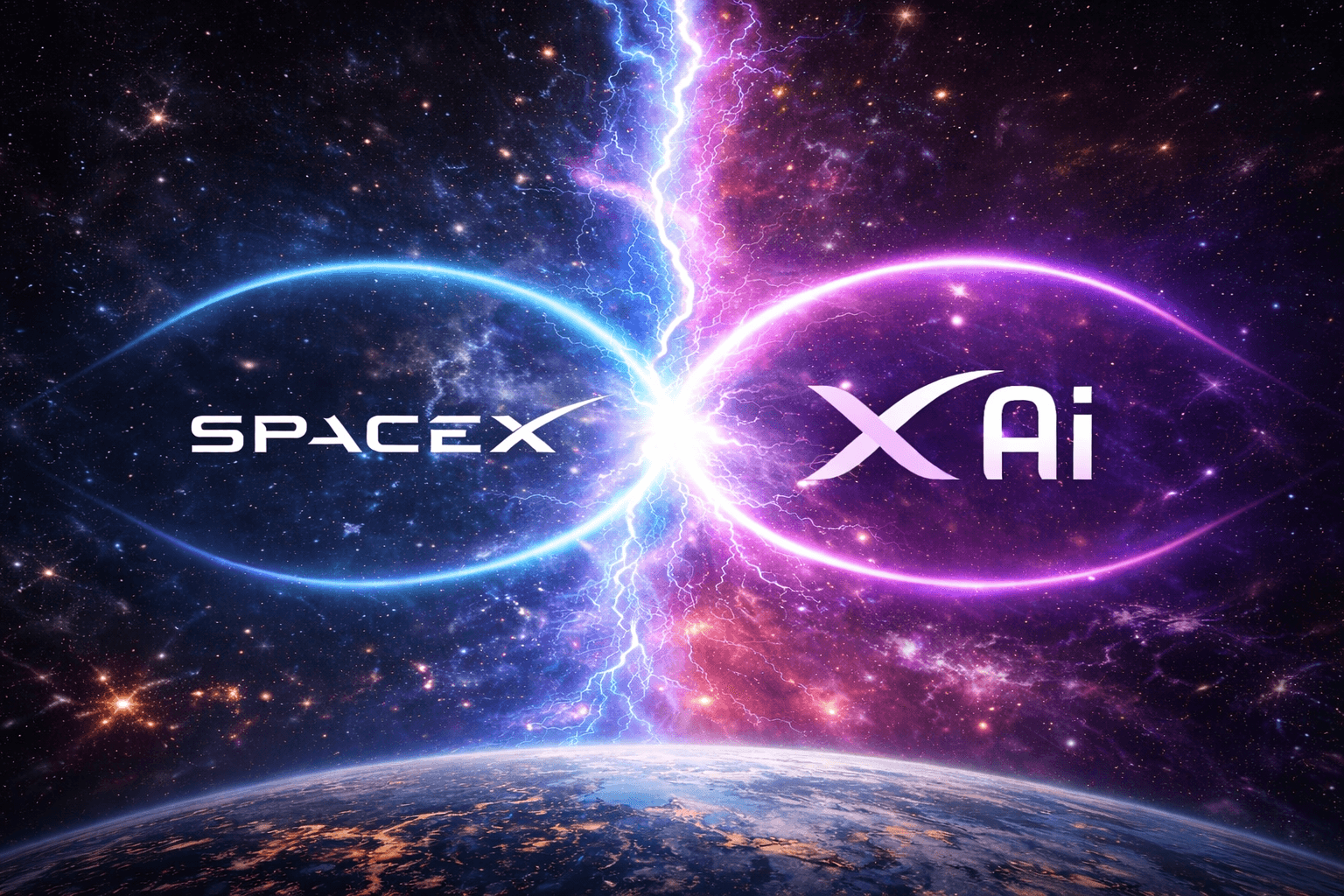
Musk owns a significant portion of SpaceX, and because it is privately held, its valuation isn’t anchored to daily market trading. Instead, it reflects what select investors are willing to pay for limited access. That creates space for optimism — sometimes extreme optimism — and pushes Musk’s paper wealth into territory that even the most successful tech founders of the last century never approached.
But private valuations can rise fast — and fall just as quickly.
Why $800 Billion Doesn’t Mean $800 Billion in Power
Even if Musk wanted to convert his wealth into usable cash, he couldn’t do it without destabilising the very companies that generate his fortune.
Selling large blocks of Tesla stock, for example, would likely crash the share price. Offloading major chunks of SpaceX would require complex private negotiations and could undermine investor confidence. His wealth, in other words, is illiquid — locked inside corporate structures that cannot be easily unwound.
This is why Musk, despite being the world’s richest individual on paper, still borrows against his assets rather than spending them. His wealth behaves more like a fluctuating index than a traditional bank balance.
The number is real — but only in theory.
How Billionaire Rankings Became a Moving Target
Today’s billionaire league tables are increasingly shaped by private markets, where transparency is limited and valuations are based on selective transactions rather than open trading. This means wealth rankings now swing wildly, sometimes driven by investor enthusiasm rather than sustained profitability.
In Musk’s case, much of the surge reflects confidence in future technologies — reusable rockets, satellite internet, artificial intelligence — rather than current revenue. It’s a bet on what his companies might become, not just what they are today.
This is why billionaire rankings have begun to resemble tech stock forecasts more than traditional measures of financial strength.
Is the Number Real or Symbolic?
So, is Elon Musk really worth $800 billion?
The honest answer is: yes, on paper — but no, in practical terms.
His net worth represents what his assets might be worth if markets remain optimistic and if those assets could somehow be sold without collapsing their own value. But wealth at this level is no longer just money. It’s influence, control, access, and long-term positioning inside industries that shape infrastructure, energy, transport, and communications.
In that sense, Musk’s fortune is less about spending power and more about structural power — the ability to direct capital, reshape markets, and influence technological futures.
What This Says About Wealth in the Modern Economy
Musk’s $800 billion moment says as much about the global economy as it does about Musk himself.
It reflects how capital increasingly concentrates around founders who control platforms, infrastructure, and frontier technologies. It shows how private markets now rival public stock exchanges in shaping perceived wealth. And it highlights how inequality today is driven less by wages and more by asset ownership.
Above all, it reminds us that modern wealth is no longer counted in cash — but in confidence, projections, and belief.
And belief, unlike money, can rise fast — and fall faster.




1 comment
edc001
2mo ago
I agree with you. Musk is theoretically the richest man on earth, but in liquid cash, other people might have more.