
Your Read is on the Way
Every Story Matters
Every Story Matters
The Hydropower Boom in Africa: A Green Energy Revolution Africa is tapping into its immense hydropower potential, ushering in an era of renewable energy. With monumental projects like Ethiopia’s Grand Ethiopian Renaissance Dam (GERD) and the Inga Dams in the Democratic Republic of Congo, the continent is gearing up to address its energy demands sustainably while driving economic growth.
Northern Kenya is a region rich in resources, cultural diversity, and strategic trade potential, yet it remains underutilized in the national development agenda.

Can AI Help cure HIV AIDS in 2025

Why Ruiru is Almost Dominating Thika in 2025

Mathare Exposed! Discover Mathare-Nairobi through an immersive ground and aerial Tour- HD

Bullet Bras Evolution || Where did Bullet Bras go to?
Many cosmetic procedures are presented as simple improvements to physical appearance. However, surgeries such as liposuction, breast augmentation, and rhinoplasty involve invasive intervention that carries the same medical risks as other surgical operations.
Patients are exposed to anesthesia, tissue trauma, and possible complications during recovery. Even when performed successfully, the body requires time to heal, and complications may still arise weeks or months later.
Treating cosmetic surgery as routine rather than medical can lead to underestimating its seriousness.
One of the most immediate dangers associated with cosmetic surgery is infection. Open surgical procedures create entry points for bacteria, particularly when aftercare instructions are not followed carefully.
Complications may include swelling, delayed healing, scarring, and internal bleeding. In severe cases, untreated infections can lead to long-term damage or require corrective surgery.
These risks increase when procedures are performed outside well-regulated medical environments.
As cosmetic surgery becomes more accessible, some procedures are being carried out in facilities that lack adequate safety standards. Patients seeking lower costs sometimes travel long distances or choose clinics without verifying professional qualifications.
This practice increases the likelihood of complications such as nerve damage, poor surgical outcomes, or the need for emergency corrective procedures.
Selecting a qualified medical team remains one of the most important safety considerations before undergoing surgery.
Cosmetic surgery can improve physical appearance, but it does not always produce the emotional satisfaction patients expect. In some cases, individuals anticipate major life changes following surgery and feel disappointed when those expectations are not met.
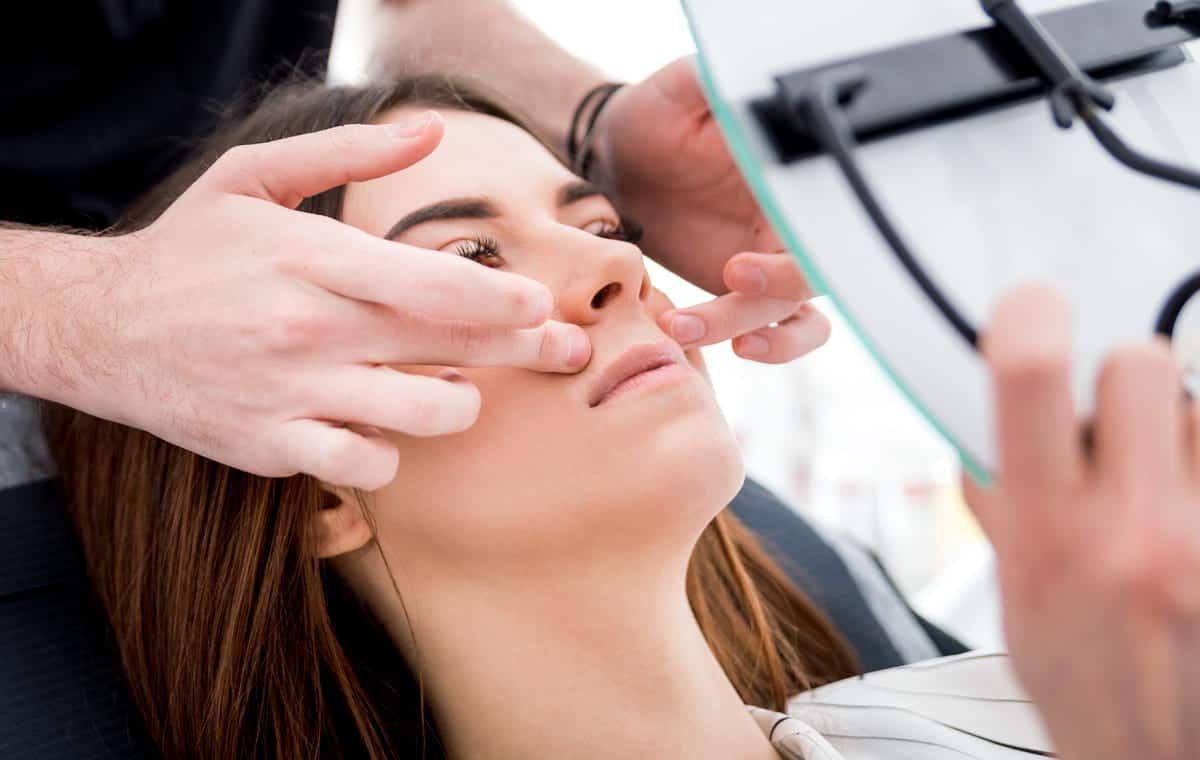
Unrealistic expectations may lead to repeated procedures in search of a perceived ideal appearance.
Psychological readiness is therefore as important as physical readiness before undergoing surgery.
Many cosmetic treatments are not permanent. Implants may require replacement, and some procedures need revision over time. Each additional surgery introduces new exposure to anesthesia and healing complications.
Repeated interventions can increase scar tissue formation and raise the risk of chronic discomfort or structural damage.
Long-term planning should always be part of the decision-making process.
Recovery from cosmetic surgery varies depending on the procedure, but it often involves swelling, restricted movement, and extended healing periods. Some patients underestimate how long they will need to rest before returning to normal activities.
Unexpected complications during recovery can also increase financial and emotional stress.
Understanding recovery timelines in advance helps reduce disappointment and health risks.
Cosmetic procedures can produce positive outcomes when approached responsibly. However, they should never be treated as simple beauty treatments without medical consequences.
Careful consultation, realistic expectations, and qualified surgical environments remain essential in reducing risks and protecting long-term health.





0 comments