
Your Read is on the Way
Every Story Matters
Every Story Matters
The Hydropower Boom in Africa: A Green Energy Revolution Africa is tapping into its immense hydropower potential, ushering in an era of renewable energy. With monumental projects like Ethiopia’s Grand Ethiopian Renaissance Dam (GERD) and the Inga Dams in the Democratic Republic of Congo, the continent is gearing up to address its energy demands sustainably while driving economic growth.
Northern Kenya is a region rich in resources, cultural diversity, and strategic trade potential, yet it remains underutilized in the national development agenda.

Can AI Help cure HIV AIDS in 2025

Why Ruiru is Almost Dominating Thika in 2025

Mathare Exposed! Discover Mathare-Nairobi through an immersive ground and aerial Tour- HD

Bullet Bras Evolution || Where did Bullet Bras go to?
A Bold Gesture of Clemency
In an unexpected move, Captain Ibrahim Traoré, the current leader of Burkina Faso's military junta, has pardoned 21 soldiers who were implicated in the failed 2015 coup attempt. This act of clemency, announced publicly, marks a significant moment in the country's turbulent political history. The soldiers had previously been convicted of trying to overthrow the government of then-President Roch Marc Christian Kaboré, an attempt that ultimately failed, but not without causing severe political and social instability.
In the years following the coup, Burkina Faso has been embroiled in political unrest and growing security challenges, culminating in the 2022 coup that ousted Kaboré. With this pardon, Captain Traoré seems to be signaling a shift toward healing divisions within the military ranks and attempting to stabilize the nation, which has been deeply fractured by successive coups.
The 2015 Coup: A Moment of Crisis
The 2015 coup was orchestrated by a faction of soldiers who were unhappy with President Kaboré’s leadership, particularly in response to his handling of security issues. At the time, Burkina Faso was struggling to combat the growing threat from extremist groups operating in the Sahel region. Despite being led by a military faction with significant backing, the coup quickly collapsed after only a few days, leaving behind a fractured political scene.
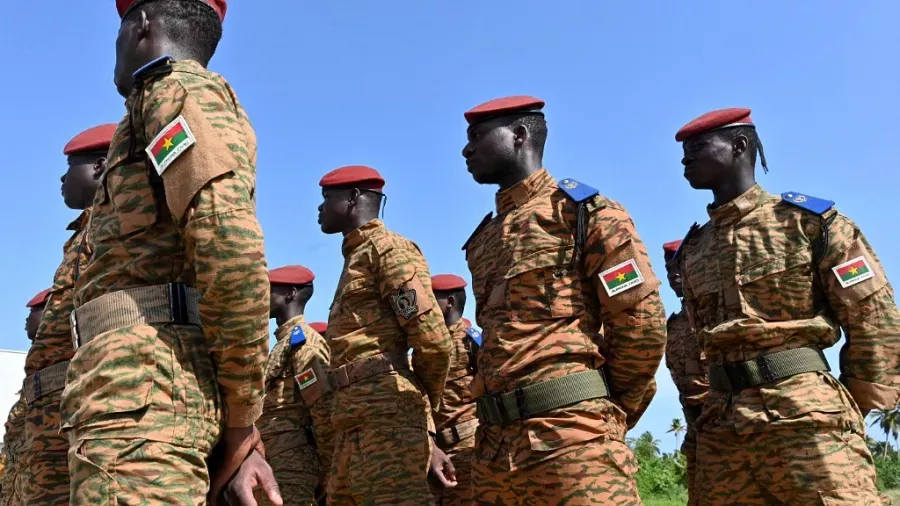
The coup plotters were arrested, and a number of them were tried and convicted, with some facing long prison sentences. The failed coup further exacerbated the existing tension between the military and the civilian government, and the resentment among disgruntled soldiers would only continue to simmer in the years to come.
A Shift in the Military Leadership
Fast forward to 2022, and Burkina Faso was again thrust into chaos when another coup unfolded, this time led by Captain Ibrahim Traoré. Traoré and his supporters in the military justified their actions by pointing to President Kaboré's inability to effectively address the growing insecurity in the country.
In the aftermath of the 2022 coup, the junta established a transitional government with the promise of stabilizing the nation and restoring security, but political uncertainty remained high. Many soldiers who had been involved in previous actions, including the 2015 coup attempt, found themselves at odds with the civilian government and felt their grievances were not addressed. This discontent likely played a role in the junta’s decision to offer a pardon to the soldiers from the 2015 incident.
Implications of the Pardon
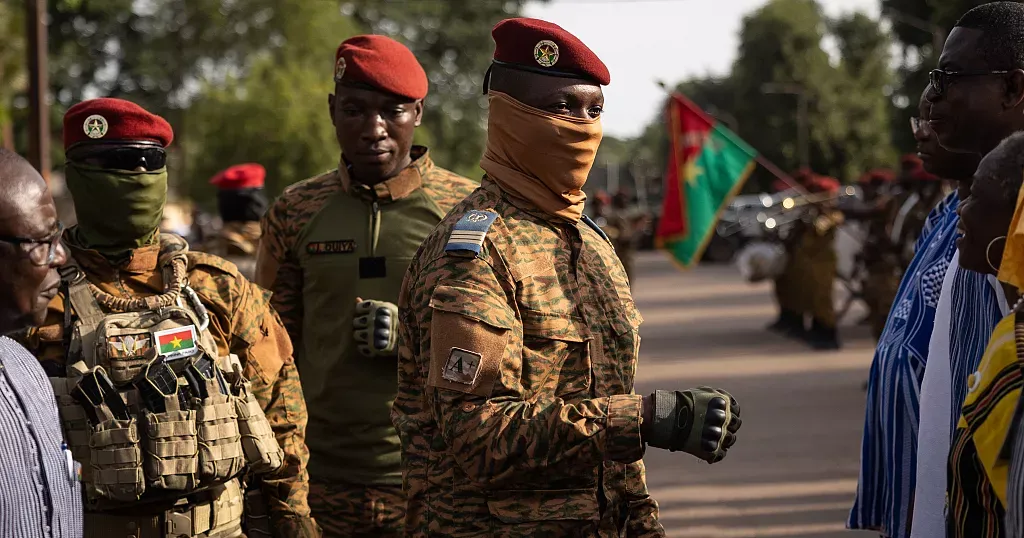
The pardon of the 21 soldiers could have far-reaching consequences for Burkina Faso’s military and political future. By granting clemency, Captain Traoré is taking a risk, potentially alienating certain factions of the military who may view this as an unnecessary gesture of leniency. However, it also reflects a pragmatic approach to managing the military's internal dynamics.
With many factions within the armed forces having conflicting agendas, the junta leader may be seeking to secure support from a broader base, thereby reducing the likelihood of further internal coups or instability. The gesture could help consolidate his power and bring former adversaries back into the fold, creating a more unified military front.
The Path Forward for Burkina Faso
Burkina Faso’s political trajectory remains uncertain, but the pardon may signal a new approach to reconciliation and governance. While the country faces immense challenges, including the ongoing insurgency and the need for economic reconstruction, Captain Traoré's actions could offer a glimmer of hope for a more stable and unified political system.
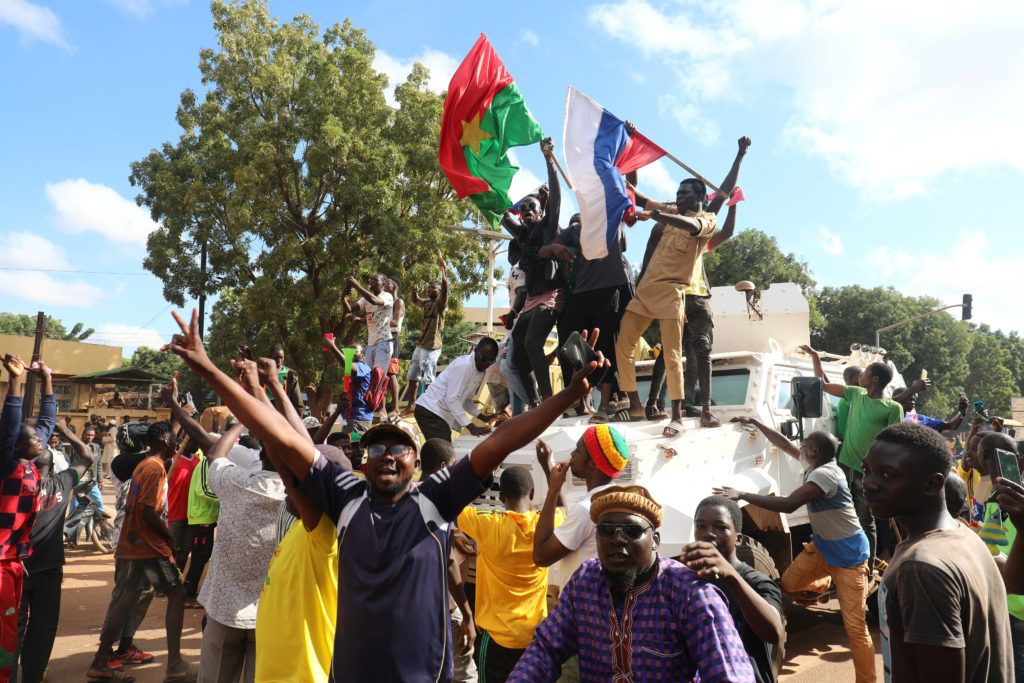
By showing leniency towards soldiers involved in past coups, he is not only addressing the grievances of the military but also attempting to send a message of national unity. It is unclear whether this will be enough to restore lasting peace, but it is a step toward healing some of the wounds that have plagued the country in recent years.
Conclusion
Burkina Faso’s political landscape has been shaped by a series of coups, military interventions, and political instability, but the pardon of 21 soldiers from the 2015 failed coup may mark the beginning of a new chapter. Captain Traoré’s decision to offer clemency demonstrates a desire to bridge divisions within the military and create a more cohesive approach to the nation’s challenges.
Whether this move will result in long-term peace remains to be seen, but it is a powerful gesture in a country struggling to find stability amidst chaos. The path forward for Burkina Faso is fraught with obstacles, but the junta leader’s clemency may provide a rare opportunity for the country to heal its deep political wounds.





0 comments