
Your Read is on the Way
Every Story Matters
Every Story Matters
The Hydropower Boom in Africa: A Green Energy Revolution Africa is tapping into its immense hydropower potential, ushering in an era of renewable energy. With monumental projects like Ethiopia’s Grand Ethiopian Renaissance Dam (GERD) and the Inga Dams in the Democratic Republic of Congo, the continent is gearing up to address its energy demands sustainably while driving economic growth.
Northern Kenya is a region rich in resources, cultural diversity, and strategic trade potential, yet it remains underutilized in the national development agenda.

Can AI Help cure HIV AIDS in 2025

Why Ruiru is Almost Dominating Thika in 2025

Mathare Exposed! Discover Mathare-Nairobi through an immersive ground and aerial Tour- HD

Bullet Bras Evolution || Where did Bullet Bras go to?
Gaza’s humanitarian disaster reached new levels of severity as escalating airstrikes wreak havoc on already-struggling civilian areas. Over the course of a single night, airstrikes in northern Gaza killed at least 48 individuals, including a significant number of women and children. The tragedy unfolded in the densely populated regions of Jabalia town and a nearby refugee camp, where entire families were trapped as homes were obliterated in the bombardments.
Amid the wreckage, local hospital officials, struggling to provide care with dwindling resources, reported that many of the victims were innocent civilians. The terrifying footage circulating on social media showed scenes of devastation, with bodies strewn across the floors of buildings flattened by the strikes. This stark image highlights the toll of an ongoing conflict that continues to ignore the plight of civilians caught in the crossfire.
As the death toll rises, international voices have started to demand action. The United Nations has increasingly focused on the humanitarian aspect of the crisis, calling for immediate intervention. At a recent Security Council meeting, UN representatives warned of a looming genocide in Gaza and urged member states to address the worsening situation. Human rights groups echoed these concerns, criticizing the use of airstrikes in civilian areas, which have escalated the toll on non-combatants, particularly children.
Tom Fletcher, a UN humanitarian chief, publicly condemned Israel’s blockade of Gaza, calling it an inhumane tactic that exacerbates the suffering of civilians. He argued that the ongoing siege prevents necessary humanitarian aid from reaching those in dire need and pushes Gaza’s population further into despair.
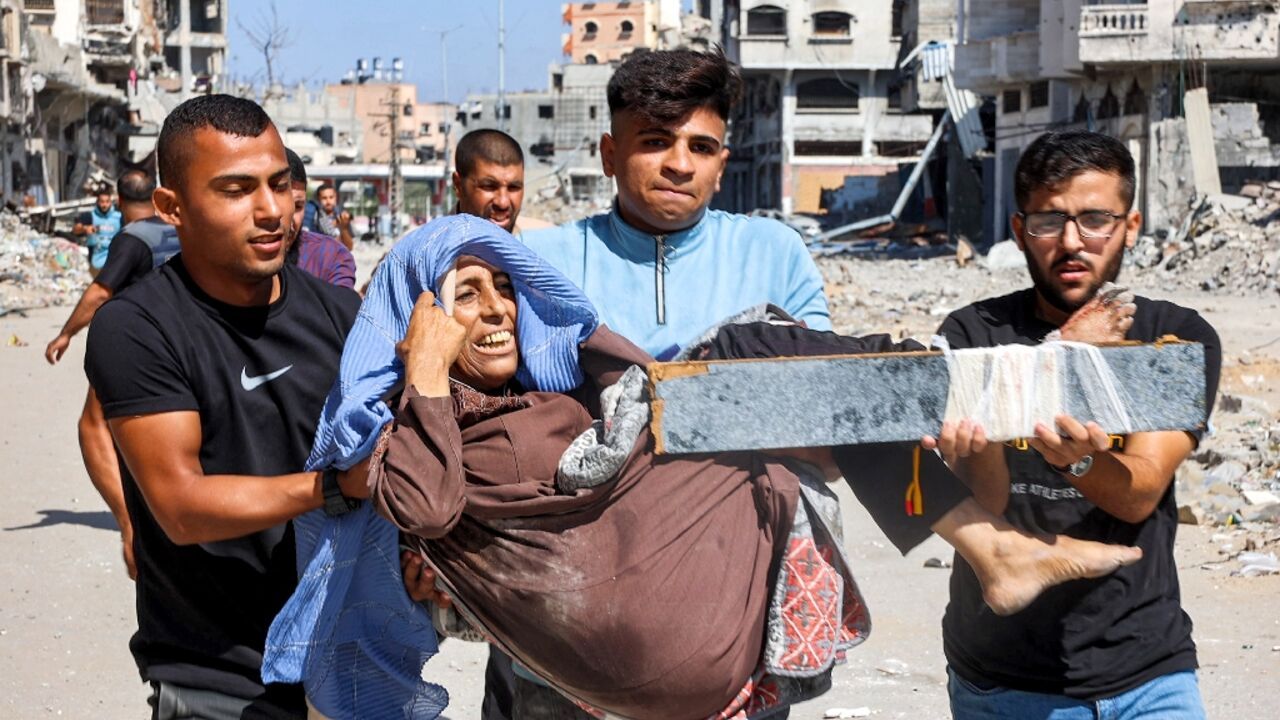
In the face of rapidly escalating violence, the question of humanitarian aid remains a central issue. Efforts to distribute aid have been complicated by Israel’s security concerns, with the Israeli government claiming that foreign assistance is being diverted to Hamas fighters. However, critics of Israel’s policies argue that the blockade is not just a tactical military move but an intentional strategy of collective punishment, one that punishes civilians more severely than combatants.
The situation has drawn sharp criticisms from global agencies, with some accusing Israel of using food and medical supplies as weapons of war. A mounting global outcry has called for the unimpeded flow of aid into Gaza, emphasizing the need for medical supplies, food, and water to reach the civilians who are most affected by the ongoing siege.
The political situation remains highly tense, with Israeli military operations showing no signs of slowing. In a recent statement, Israeli Prime Minister Benjamin Netanyahu warned of the possibility of expanding military operations in Gaza unless Hamas agrees to release the remaining hostages. This message has fueled further anxiety among civilians who fear that an escalation of military strikes will only deepen the crisis.
Meanwhile, international mediators have begun talks with regional powers to negotiate a potential ceasefire, but these efforts have been complicated by a lack of trust on all sides. The situation has become a deadly stalemate, with no clear resolution in sight and a growing humanitarian catastrophe unfolding before the world’s eyes.
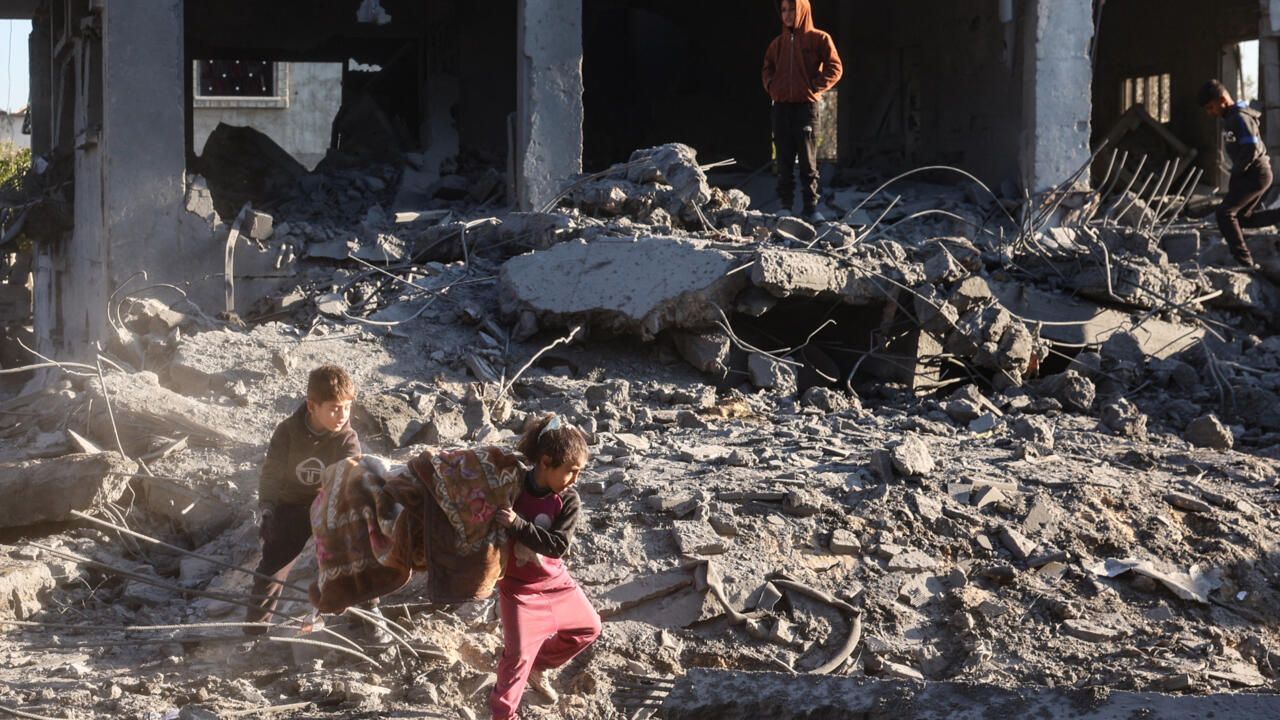
The most heartbreaking aspect of the ongoing conflict is the impact on Gaza’s youngest residents. With entire communities being destroyed, children are left without homes, schools, and often without parents. Footage from hospitals and shelters in Gaza shows a growing number of malnourished children who are traumatized and in desperate need of medical attention.
Many aid agencies and child welfare organizations have voiced concern over the psychological toll on the children of Gaza, whose lives have been irrevocably altered by the violence. Education, healthcare, and basic safety have been pushed out of reach for the majority of Gaza’s young population, and the consequences will likely be felt for generations.
As the conflict between Israel and Hamas drags on, the future of Gaza looks increasingly uncertain. With no immediate solutions on the horizon, the cycle of violence and retaliation appears poised to continue, leaving Gaza’s civilians trapped in a nightmare with little hope for escape.
Despite calls from the international community for peace and negotiation, the entrenched positions of the warring factions have left little room for compromise. Meanwhile, the civilian population continues to bear the brunt of the violence, with little international intervention to halt the destruction. The ongoing humanitarian crisis is a testament to the human cost of prolonged conflict, and as the international community debates the next steps, Gaza’s people remain caught in the middle of a devastating war that shows no signs of ending soon.






0 comments