
Your Read is on the Way
Every Story Matters
Every Story Matters
The Hydropower Boom in Africa: A Green Energy Revolution Africa is tapping into its immense hydropower potential, ushering in an era of renewable energy. With monumental projects like Ethiopia’s Grand Ethiopian Renaissance Dam (GERD) and the Inga Dams in the Democratic Republic of Congo, the continent is gearing up to address its energy demands sustainably while driving economic growth.
Northern Kenya is a region rich in resources, cultural diversity, and strategic trade potential, yet it remains underutilized in the national development agenda.

Can AI Help cure HIV AIDS in 2025

Why Ruiru is Almost Dominating Thika in 2025

Mathare Exposed! Discover Mathare-Nairobi through an immersive ground and aerial Tour- HD

Bullet Bras Evolution || Where did Bullet Bras go to?
At the National Prayer Breakfast held on May 28, 2025, at Nairobi’s Safari Park Hotel, President William Ruto made a series of significant apologies addressing not only neighboring countries but also the Kenyan youth. The event provided a solemn platform for Ruto to confront both regional diplomatic tensions and internal socio-economic frustrations.
His remarks were aimed at fostering reconciliation and unity, acknowledging missteps, and encouraging a forward-looking approach to both foreign and domestic challenges. This public apology marks an important moment in Kenya’s political landscape, signaling a readiness to heal divisions and promote collective progress.
One of the most notable aspects of President Ruto’s speech was his direct apology to Tanzania. He asked for forgiveness on behalf of Kenya for any actions or incidents that may have caused offense or strained relations between the two countries. This apology followed a tense diplomatic episode involving the deportation of six Kenyan nationals who had traveled to Tanzania to attend the trial of opposition leader Tundu Lissu.
The deportations sparked widespread online clashes between citizens of Kenya and Tanzania, further escalating the diplomatic strain. By publicly apologizing, Ruto sought to ease the tensions and reaffirm Kenya’s commitment to maintaining a peaceful and respectful relationship with its neighbor. The apology was a symbolic but important step toward rebuilding trust and promoting harmony in East Africa’s regional dynamics.

President Ruto extended a similar olive branch to Uganda, recognizing the importance of maintaining strong and peaceful relations with all neighboring countries. Although he did not delve into specific events that might have caused friction, the apology signaled Kenya’s intent to repair and strengthen bilateral ties with Uganda.
This gesture is critical given the historical and ongoing interactions between the two nations, encompassing trade, security cooperation, and cultural exchange. By acknowledging potential past missteps and expressing regret, Ruto positioned Kenya as a partner committed to dialogue, respect, and regional integration. The apology also reflects his broader diplomatic strategy to foster cooperation and stability across the East African Community.
In addition to addressing regional neighbors, President Ruto turned inward to speak directly to Kenya’s youth, a demographic that has expressed increasing dissatisfaction over economic hardships and unemployment. Ruto’s apology acknowledged the government’s shortcomings in addressing the pressing challenges facing young people, including limited job opportunities, rising cost of living, and economic uncertainty.
By admitting these difficulties, the president aimed to show empathy and a willingness to take responsibility for the hardships endured by many young Kenyans. This apology also served as a call for patience and unity, as his administration seeks to implement policies aimed at creating jobs and improving the economic prospects of the younger generation. It was an attempt to rebuild trust and engage youth as partners in national development.
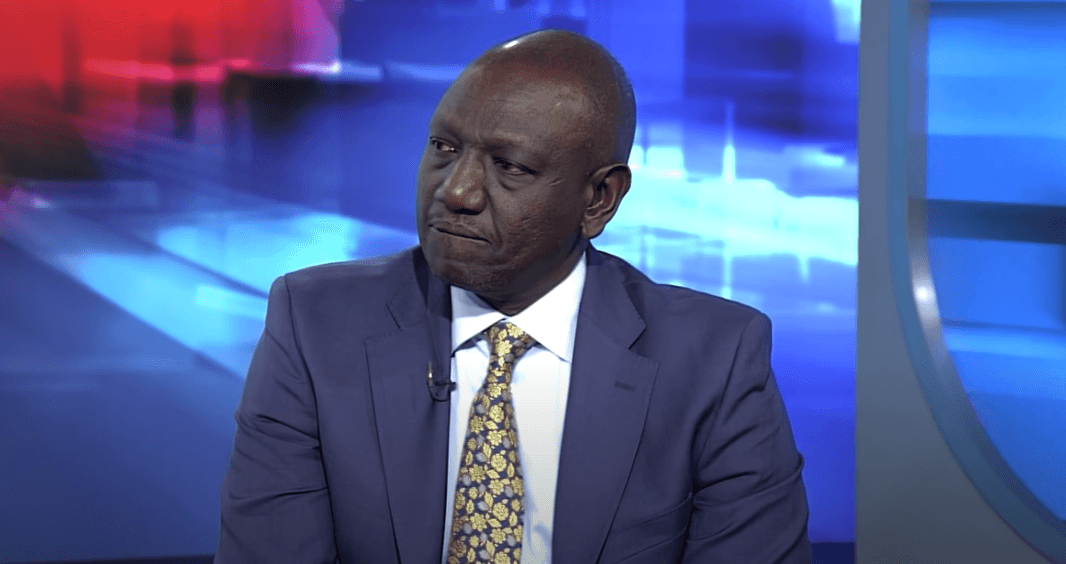
Throughout his speech, President Ruto emphasized the importance of healing divisions—both within Kenya and in the broader East African region. He urged leaders and citizens alike to move beyond past grievances and to work together in pursuit of peace, stability, and shared prosperity.
Ruto highlighted that true progress can only be achieved when people put aside differences and collaborate on common goals. This call for unity and reconciliation is particularly significant given Kenya’s complex political environment and the various regional tensions. His message underlined the need for humility, dialogue, and mutual respect as foundational elements for sustainable development and peacebuilding.
President William Ruto’s public apologies to Tanzania, Uganda, and Kenyan youth stand out as a moment of political maturity and leadership. By openly acknowledging past mistakes and expressing regret, Ruto demonstrated a commitment to reconciliation and partnership, both domestically and internationally. These gestures reflect a strategic understanding that peace and cooperation are essential for Kenya’s progress and stability.
In a time when divisions—whether political, ethnic, or diplomatic—can threaten development, his willingness to extend olive branches signals hope for a more united and forward-looking Kenya and East Africa. The apologies set a tone of humility and responsibility that could pave the way for stronger relationships and greater national cohesion.





0 comments