
Your Read is on the Way
Every Story Matters
Every Story Matters
The Hydropower Boom in Africa: A Green Energy Revolution Africa is tapping into its immense hydropower potential, ushering in an era of renewable energy. With monumental projects like Ethiopia’s Grand Ethiopian Renaissance Dam (GERD) and the Inga Dams in the Democratic Republic of Congo, the continent is gearing up to address its energy demands sustainably while driving economic growth.
Northern Kenya is a region rich in resources, cultural diversity, and strategic trade potential, yet it remains underutilized in the national development agenda.

Can AI Help cure HIV AIDS in 2025

Why Ruiru is Almost Dominating Thika in 2025

Mathare Exposed! Discover Mathare-Nairobi through an immersive ground and aerial Tour- HD

Bullet Bras Evolution || Where did Bullet Bras go to?
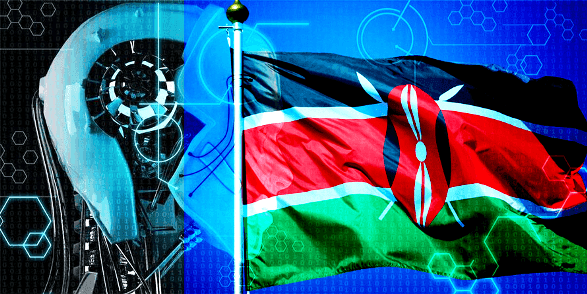
Kenya has seen a surge in AI applications across various sectors. In agriculture, farmers use mobile-based AI tools to detect crop diseases, predict weather patterns, and receive personalized farming advice. These innovations are helping small-scale farmers increase productivity and reduce losses.
In healthcare, AI is improving diagnostic accuracy in clinics and hospitals. Tools integrated into medical systems are helping practitioners identify illnesses faster and with fewer errors, especially in remote and under-resourced areas.
In education, AI-driven learning platforms assist teachers with planning, grading, and content delivery. Students benefit from adaptive learning tools that tailor instruction to their needs, especially in areas with teacher shortages.
AI is also being adopted in government services, customer support, and fintech, creating faster, more efficient service delivery systems.
The Kenyan government has launched a national AI strategy aiming to harness artificial intelligence for economic growth and public benefit. It outlines objectives around digital infrastructure, data protection, ethical standards, innovation funding, and public-private partnerships.
However, progress on legal frameworks and technical enforcement has been slow. Many AI tools are being deployed in a regulatory grey area, raising concerns about misuse, especially in sectors dealing with personal data.
Despite the innovation boom, several challenges limit the full potential of AI in Kenya:
-Digital Infrastructure: Many rural and marginalized areas lack the broadband internet and electricity needed for AI tools to function effectively.
-Skills Gap: There is a shortage of AI specialists, data scientists, and engineers. The education system is not producing enough tech talent fast enough.
-Ethical Concerns: AI systems can reinforce bias, especially when trained on unrepresentative data. Surveillance and data misuse are also growing risks.
-Unequal Access: Urban centers are advancing, but rural populations are at risk of being left behind, deepening digital inequality.
To ensure that AI benefits all Kenyans equitably, several actions are essential:
-Expand investment in nationwide digital infrastructure.
-Integrate AI and digital literacy into school curricula and vocational programs.
-Build stronger legal frameworks to govern data, privacy, and AI usage.
-Encourage inclusive innovation that supports grassroots and rural development.
-Foster collaboration between government, academia, startups, and international partners.
Artificial intelligence offers Kenya a unique opportunity to leapfrog into a more advanced, efficient, and innovative economy. But if not managed carefully, AI could also deepen existing social and economic inequalities. Inclusive policy, ethical oversight, and public investment are key to ensuring AI drives progress for all—not just a privileged few.





0 comments