
Your Read is on the Way
Every Story Matters
Every Story Matters
The Hydropower Boom in Africa: A Green Energy Revolution Africa is tapping into its immense hydropower potential, ushering in an era of renewable energy. With monumental projects like Ethiopia’s Grand Ethiopian Renaissance Dam (GERD) and the Inga Dams in the Democratic Republic of Congo, the continent is gearing up to address its energy demands sustainably while driving economic growth.
Northern Kenya is a region rich in resources, cultural diversity, and strategic trade potential, yet it remains underutilized in the national development agenda.

Can AI Help cure HIV AIDS in 2025

Why Ruiru is Almost Dominating Thika in 2025

Mathare Exposed! Discover Mathare-Nairobi through an immersive ground and aerial Tour- HD

Bullet Bras Evolution || Where did Bullet Bras go to?
Private education in Kenya is changing rapidly, and many parents are no longer satisfied with institutions that focus only on national examinations. Increasingly, families are searching for schools that combine global exposure, disciplined learning environments, and strong academic foundations that prepare students beyond secondary education. Soma International School is steadily positioning itself within this new category of institutions.
Located near the expanding Thika Road education corridor, the school is attracting attention because it provides a balanced academic structure that blends international pathways with structured moral guidance. For parents planning long-term education strategies, such flexibility is becoming an important deciding factor.
This growing interest explains why the school is increasingly appearing in conversations among families exploring alternative private-school options outside crowded urban campuses.
One of the institution’s strongest features is its flexible curriculum structure. Instead of limiting learners to a single academic system, students benefit from exposure to the Cambridge pathway alongside elements of the American system, Kenyan national content, and structured Islamic studies.
This multi-directional academic model allows families to make early decisions about future university destinations without requiring disruptive school transfers later. It also gives learners the confidence that their education remains adaptable to both local and international opportunities.
Such curriculum flexibility is becoming one of the defining expectations among parents choosing private education today.
Global career opportunities are increasingly shaped by science, engineering, and technology-related skills. The school’s emphasis on STEM learning therefore plays an important role in its rising reputation.
Students participate in laboratory-based learning, structured science engagement, and early-stage innovation exposure that strengthens confidence in technical subjects. These experiences help transform science from a difficult academic requirement into a practical pathway toward future careers.
Schools that invest early in scientific literacy are positioning students more effectively for tomorrow’s job environment.
Another distinctive strength is the integration of Islamic studies alongside international academic instruction. Rather than separating moral education from classroom learning, the school incorporates structured ethical development into its daily academic environment.
For families seeking both intellectual growth and value-centered guidance, this balance provides reassurance that education extends beyond examination performance alone. Students develop discipline, identity awareness, and responsibility alongside academic progress.
This integrated approach continues to distinguish the institution within Kenya’s competitive private-school landscape.
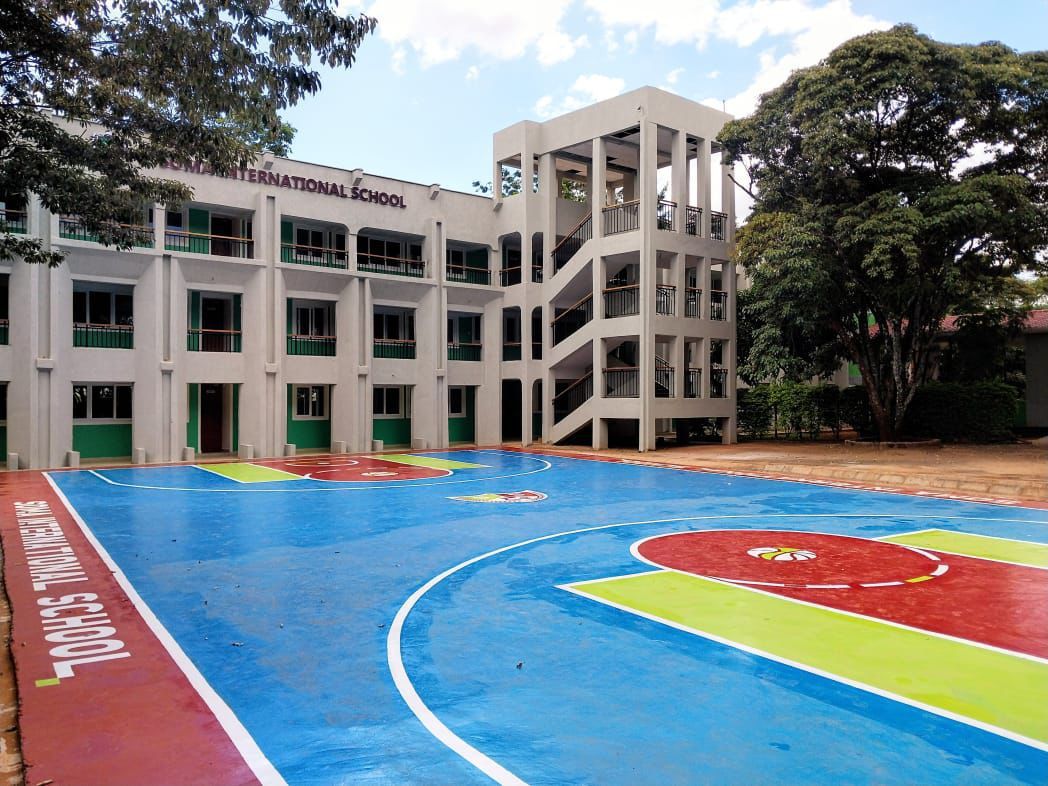
Modern classrooms are increasingly shifting away from memorization-based learning toward analytical thinking and student participation. The school emphasizes teaching methods that encourage curiosity, discussion, and independent reasoning.
Such learning environments prepare students more effectively for higher education, where interpretation, evaluation, and creativity play a central role in academic success. By strengthening these skills early, learners gain confidence that extends beyond examinations into real-world problem solving.
Teaching quality remains one of the strongest drivers behind the institution’s growing reputation.
Academic strength alone no longer defines a competitive learning institution. The school supports student growth through leadership programs, debate activities, sports participation, and creative arts engagement designed to build confidence outside the classroom.
These structured activities allow learners to discover talents that traditional academic environments may not always reveal. Early exposure to teamwork, communication, and responsibility strengthens personal development alongside intellectual achievement.
Such opportunities increasingly influence how parents evaluate school environments today.
Campus location plays an important role in shaping student concentration and overall learning experience. The school’s setting away from dense urban congestion provides a quieter atmosphere that supports consistent academic engagement.
A calm environment allows greater access to outdoor learning spaces, structured sports participation, and organized student interaction areas. These factors combine to create a learning culture designed around focus rather than distraction.
For many families, this environment represents a significant advantage.
Parents increasingly evaluate schools based on where students can progress after graduation. The institution’s alignment with internationally recognized academic pathways allows learners to pursue university opportunities beyond Kenya with fewer transition challenges.
This early positioning within global education structures helps students remain competitive when applying to institutions abroad. As international mobility becomes a priority for many families, such preparation is becoming an essential feature rather than an optional benefit.
Education planning today increasingly begins with long-term global considerations.





0 comments