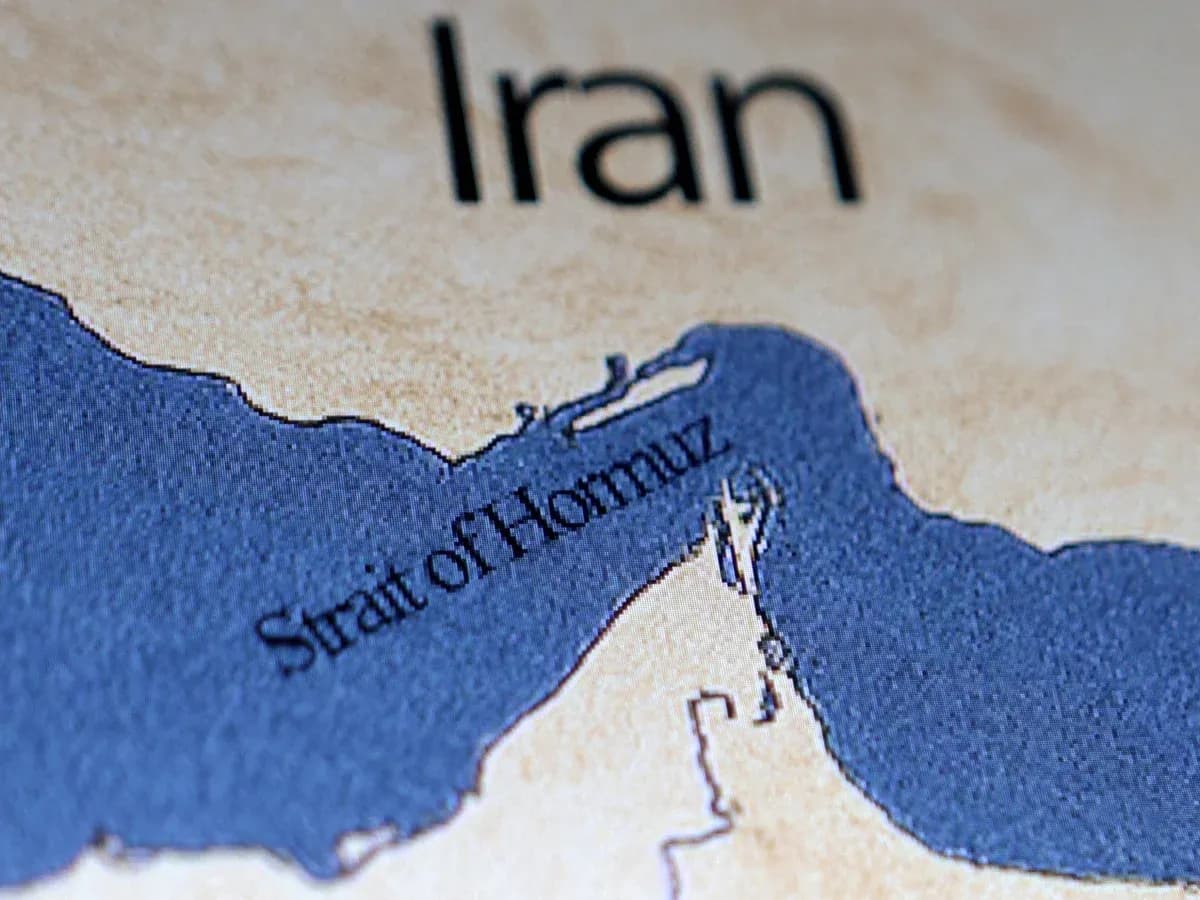
The Strait of Hormuz may appear small on the map, yet its influence stretches across continents. It links the Persian Gulf to international sea lanes that power global trade, making it one of the most sensitive energy corridors in the world.
Every day, large volumes of crude oil and liquefied natural gas pass through this narrow channel. If movement slows or stops, the ripple effects reach factories in Asia, transport networks in Europe, and financial markets in North America almost immediately.
For major economies, the stability of this corridor is not just strategic. It is essential for daily economic survival.
Why Washington Watches the Strait So Closely
For the United States, the Strait of Hormuz represents both a security responsibility and a strategic advantage. Maintaining safe navigation in the region strengthens its position as a guarantor of maritime stability across the Middle East.
During Donald Trump’s leadership, safeguarding shipping routes remained closely tied to wider deterrence efforts in the Gulf. A strong naval presence near the corridor signaled that disruptions to international trade would face a firm response.
Beyond oil, the strait symbolizes America’s broader role in protecting global commerce and supporting allies whose economies depend on uninterrupted exports.
Why the Route Matters Even More to India
India’s connection to the Strait of Hormuz is direct and deeply practical. A significant share of its imported fuel travels through this passage before reaching Indian ports.
For Narendra Modi’s administration, any instability in the corridor immediately raises concerns about fuel costs, industrial productivity, and national inflation. Energy security remains one of the pillars supporting India’s rapid economic expansion.
Stable sea lanes through the strait therefore support everything from transportation networks to electricity generation across the country.
A Shock in the Strait Would Shake Global Markets
The importance of the Strait of Hormuz becomes most visible during periods of tension. Even the possibility of disruption can push oil prices higher within hours.
Such movements affect shipping costs, airline operations, and manufacturing expenses across multiple regions. For energy-importing nations like India, the consequences can quickly spread into domestic price increases and pressure on national budgets.
For the United States, instability in the corridor creates wider geopolitical challenges that extend beyond energy into alliance credibility and global market confidence.
A Maritime Corridor With Military Weight
The Strait of Hormuz is not only about energy. It is also a key strategic gateway for naval movement and regional surveillance.
For Washington, access to this corridor strengthens operational flexibility across the Middle East. For New Delhi, secure maritime routes reinforce its growing presence as a major Indo-Pacific trading and security partner.
This dual importance explains why both countries treat developments around the strait with sustained attention.
Stability in the Strait Serves Both Nations Differently but Equally
Although the United States and India operate from different strategic positions, both share a clear interest in keeping the Strait of Hormuz open and secure.
Read this related article: NATO Breaks Ranks as Donald Trump’s Hormuz War Call Is Rejected
For Washington, stability protects global trade leadership and regional alliances. For New Delhi, it protects economic momentum and long-term development planning.
In both cases, the strait remains far more than a shipping channel. It is a lifeline connecting energy, security, and global influence.









0 comments