
Your Read is on the Way
Every Story Matters
Every Story Matters
The Hydropower Boom in Africa: A Green Energy Revolution Africa is tapping into its immense hydropower potential, ushering in an era of renewable energy. With monumental projects like Ethiopia’s Grand Ethiopian Renaissance Dam (GERD) and the Inga Dams in the Democratic Republic of Congo, the continent is gearing up to address its energy demands sustainably while driving economic growth.
Northern Kenya is a region rich in resources, cultural diversity, and strategic trade potential, yet it remains underutilized in the national development agenda.

Can AI Help cure HIV AIDS in 2025

Why Ruiru is Almost Dominating Thika in 2025

Mathare Exposed! Discover Mathare-Nairobi through an immersive ground and aerial Tour- HD

Bullet Bras Evolution || Where did Bullet Bras go to?
Major Western governments, particularly from the G7, have thrown their weight behind Israel’s right to self-defense. Their messaging, however, remains carefully worded to avoid a full-throated endorsement of the strikes on Iran.
While affirming that Iran's destabilizing influence must be countered, they stopped short of calling for an immediate ceasefire. The United States, while praising Israel’s preemptive action, has remained militarily uninvolved, though it has heightened its regional readiness and warned Iran against further provocation.
The European Union and United Kingdom have adopted a cautious approach, calling for restraint from both parties while acknowledging Israel’s security imperatives. Their diplomatic language aims to balance support for an ally with an acute awareness of the growing humanitarian toll.
Middle Eastern states have broadly condemned Israel’s military action, viewing it as a dangerous provocation that threatens the entire region. Countries such as Jordan, Oman, and Qatar expressed strong disapproval, urging immediate diplomatic intervention and warning that continued aggression could ignite a regional war.
There is particular concern over the possibility of Lebanon’s Hezbollah and other proxy groups being drawn into a wider confrontation, further destabilizing an already volatile region.
In tandem with official government statements, several Arab states have taken practical steps, including closing airspace to avoid becoming entangled in the escalating conflict. This reaction underscores regional fears that the conflict will spill beyond Israeli and Iranian borders.
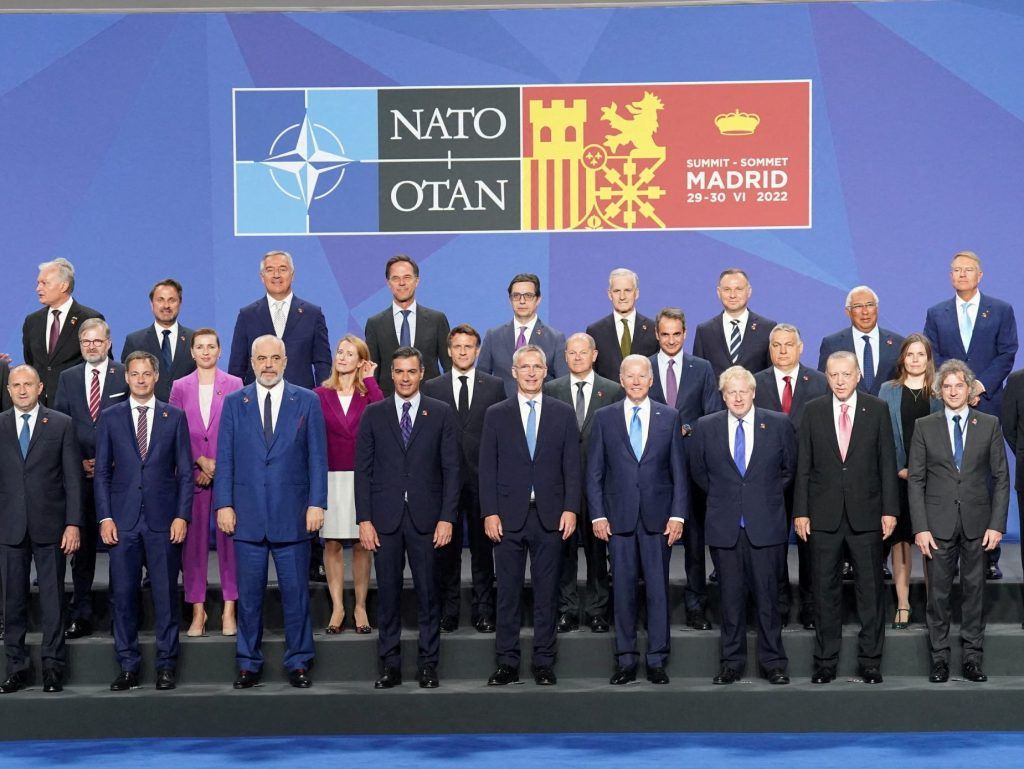
The United Nations and NATO have responded by emphasizing the dire consequences of unchecked escalation. Both institutions called on all actors to exercise maximum restraint, warning of grave humanitarian consequences and potential breaches of international law. In particular, the UN has expressed concern about civilian casualties and the targeting of sensitive infrastructure, including Iran’s nuclear facilities.
The International Atomic Energy Agency has sounded alarms over the potential radiological risks resulting from such strikes. It warned that even limited damage to Iran's nuclear sites could trigger long-term environmental and public health disasters.
In the wake of the Israeli strikes, panic swept through Iran’s major cities. Tehran, in particular, experienced a mass exodus after early warnings advised civilians to evacuate. Reports indicate that hundreds of thousands fled the capital, causing traffic paralysis, fuel shortages, and food hoarding.
The humanitarian cost continues to rise. Dozens of Iranian civilians were killed during the initial strikes, and retaliatory attacks led to Israeli civilian casualties as well. Both nations now face a growing internal crisis, as their populations contend with infrastructure damage, rolling blackouts, and disrupted essential services.
The global response reveals deep diplomatic divisions. Western allies support Israel’s rationale but are hesitant to endorse further military escalation. Regional actors and many countries in the Global South, however, condemn the strikes outright and call for an immediate cessation of hostilities.
Russia has positioned itself as a potential mediator, while also criticizing the Western bloc for failing to rein in Israeli aggression. China, though less vocal, has expressed concern over the conflict’s implications for global trade and regional security. Other major powers, including India and Brazil, have urged both nations to seek dialogue over destruction.





0 comments