
Your Read is on the Way
Every Story Matters
Every Story Matters
The Hydropower Boom in Africa: A Green Energy Revolution Africa is tapping into its immense hydropower potential, ushering in an era of renewable energy. With monumental projects like Ethiopia’s Grand Ethiopian Renaissance Dam (GERD) and the Inga Dams in the Democratic Republic of Congo, the continent is gearing up to address its energy demands sustainably while driving economic growth.
Northern Kenya is a region rich in resources, cultural diversity, and strategic trade potential, yet it remains underutilized in the national development agenda.

Can AI Help cure HIV AIDS in 2025

Why Ruiru is Almost Dominating Thika in 2025

Mathare Exposed! Discover Mathare-Nairobi through an immersive ground and aerial Tour- HD

Bullet Bras Evolution || Where did Bullet Bras go to?
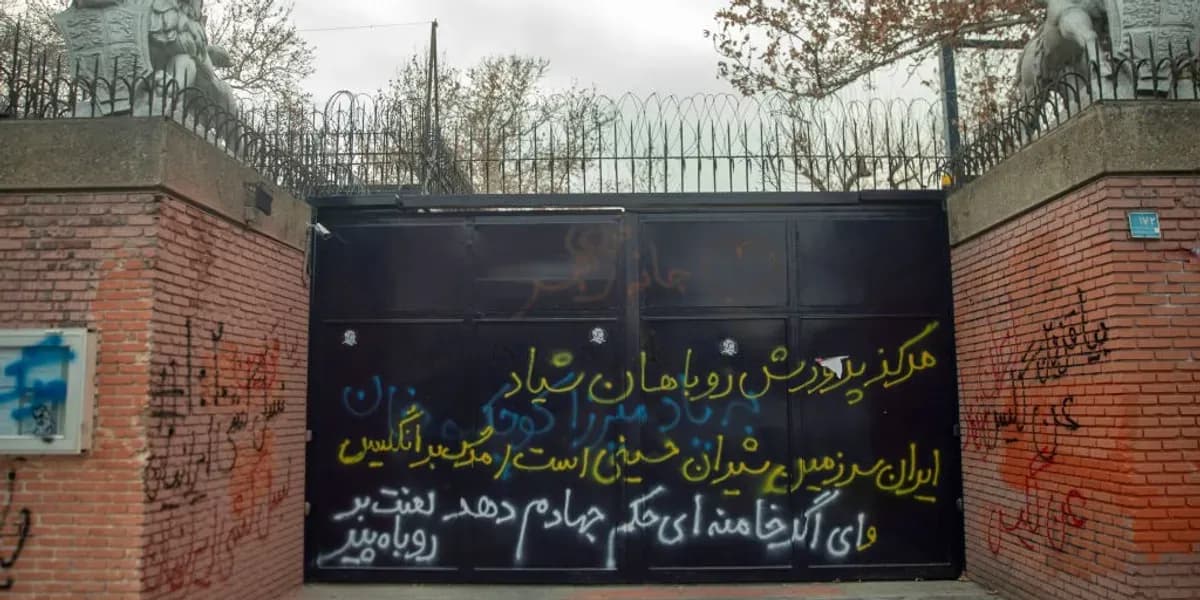
In a decisive move underscoring the gravity of the ongoing Middle East crisis, the United Kingdom has withdrawn all diplomatic staff from its embassy in Tehran. The decision follows a marked escalation in hostilities between Iran and Israel, with Iranian forces launching a new series of missile and drone strikes on Israeli territory. British authorities cited increasing security risks to their diplomatic mission as the principal reason for the temporary evacuation.
Despite the physical withdrawal, embassy functions will continue remotely, with essential diplomatic operations and consular services maintained via alternative channels. The UK government emphasized that this measure is precautionary and temporary, aimed at ensuring the safety of its personnel while maintaining a level of engagement with Iranian authorities.
Iran's latest strikes against Israel represent one of the most substantial and coordinated offensives in recent memory. Over 300 projectiles, including drones and ballistic missiles, were reportedly launched, targeting key locations such as Tel Aviv and Haifa. Although Israeli air defense systems successfully intercepted the majority of the attacks, several missiles landed in civilian areas, causing injuries and infrastructure damage.
Notably, one of the strikes impacted a U.S. diplomatic facility, intensifying international concern and drawing immediate condemnation. Iran has framed these attacks as retaliatory measures following Israeli airstrikes on Iranian assets and territory earlier this month.
In addition to the diplomatic withdrawal, the UK government is coordinating evacuation plans for British nationals currently in Israel. Special charter flights are being arranged to repatriate those who wish to leave, contingent on safe access to Ben Gurion International Airport and regional airspace clearance. British citizens in Israel have been urged to register with the Foreign, Commonwealth & Development Office (FCDO) for immediate updates and assistance.
Foreign Secretary David Lammy is actively involved in emergency diplomatic consultations in Geneva, where international representatives are convening to explore pathways to de-escalation. The UK has reiterated its call for restraint on all sides and has signaled readiness to support diplomatic mediation efforts.
This development marks a critical point in the worsening conflict between Israel and Iran. With the UK, the U.S., and other allies now drawn more directly into the unfolding situation, the risk of broader regional destabilization has significantly increased. Neighboring states have begun reviewing their own diplomatic and security postures, while international institutions are under pressure to intervene before the conflict spreads further.
The UK’s decision to evacuate Tehran serves as both a security safeguard and a political statement, reflecting growing frustration with the cycle of retaliation and violence in the region. It is a clear signal that diplomatic presence in hostile zones is now subject to immediate recalibration based on unfolding military threats.
As investigations continue into the impact of Iran’s latest strikes and assessments are made regarding regional airspace and civilian safety, further diplomatic maneuvers are expected. The UK is likely to intensify its coordination with NATO allies, the European Union, and regional stakeholders in both the Gulf and the Levant.
While military exchanges continue, the diplomatic effort led by the UK and other actors aims to create conditions for ceasefire talks, de-escalation protocols, and renewed efforts at arms control—particularly around nuclear proliferation risks associated with heightened Iranian-Israeli hostility





0 comments