
Your Read is on the Way
Every Story Matters
Every Story Matters
The Hydropower Boom in Africa: A Green Energy Revolution Africa is tapping into its immense hydropower potential, ushering in an era of renewable energy. With monumental projects like Ethiopia’s Grand Ethiopian Renaissance Dam (GERD) and the Inga Dams in the Democratic Republic of Congo, the continent is gearing up to address its energy demands sustainably while driving economic growth.
Northern Kenya is a region rich in resources, cultural diversity, and strategic trade potential, yet it remains underutilized in the national development agenda.

Can AI Help cure HIV AIDS in 2025

Why Ruiru is Almost Dominating Thika in 2025

Mathare Exposed! Discover Mathare-Nairobi through an immersive ground and aerial Tour- HD

Bullet Bras Evolution || Where did Bullet Bras go to?
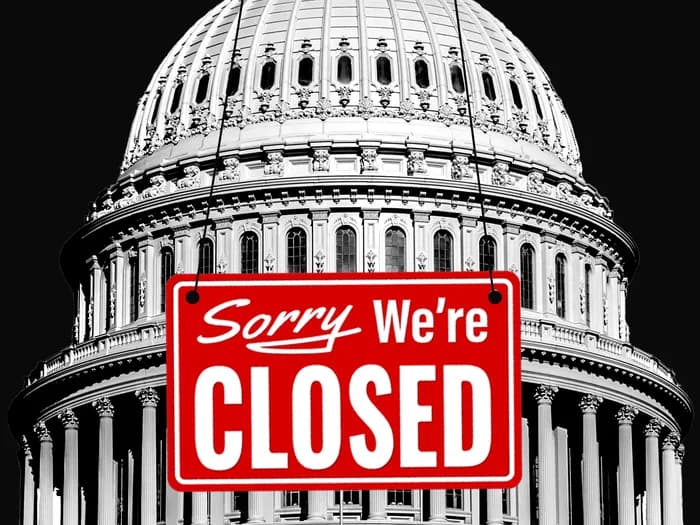
The U.S. government entered a shutdown after lawmakers in Congress failed to agree on a funding measure before the deadline. There was a disagreement over priorities: one side pushed for extending existing funding levels to keep government operations running, while the other demanded additional provisions on healthcare and social services.
The inability to find middle ground left federal agencies without the legal authority to continue spending, resulting in an immediate halt of many government activities.
A shutdown translates to widespread disruption for government employees. Hundreds of thousands face furloughs, meaning they are sent home without pay until funding resumes.
Others deemed essential — such as those in law enforcement, border security, and air traffic control — must continue working but without pay until Congress resolves the impasse. This situation places a heavy financial burden on families who rely on steady government income and creates uncertainty across the public service sector.
The shutdown does not affect every government program equally. Mandatory spending programs like Social Security and Medicare continue, since they are funded separately from annual budgets. However, departments dependent on congressional appropriations experience severe cutbacks.
Health agencies lose large portions of their workforce, halting research, investigations, and public health monitoring. Education programs and federal grants face delays. The aviation sector is particularly strained, as regulatory and safety oversight staff are furloughed while a limited number continue working under extreme pressure.
Unlike previous shutdowns that were largely viewed as temporary disruptions, this one carries higher stakes. Agencies have been instructed to prepare not only for furloughs but for potential permanent layoffs, raising the specter of long-term damage to government operations.
Beyond employee paychecks, critical services for vulnerable groups — such as telehealth support for seniors or assistance programs for disadvantaged families — may be cut or delayed, directly affecting those most in need.
The shutdown highlights the growing polarization in American politics. Lawmakers are no longer simply negotiating over temporary extensions of funding but are locked in a deeper ideological battle over the role of government spending. Healthcare subsidies, social programs, and budgetary cuts have become battleground issues. Each side accuses the other of refusing to compromise, while ordinary citizens and federal workers are left to bear the consequences.
The resolution of this shutdown depends on political will. Lawmakers could pass a short-term funding bill to reopen government services while negotiations continue, or they could strike a broader deal addressing the disputed policy demands. Until then, the shutdown will ripple through the economy, disrupt services, and strain public trust in leadership.
The longer the standoff lasts, the more lasting the damage becomes — not only to the federal workforce but also to America’s global reputation for governance and stability.





0 comments