
Your Read is on the Way
Every Story Matters
Every Story Matters
The Hydropower Boom in Africa: A Green Energy Revolution Africa is tapping into its immense hydropower potential, ushering in an era of renewable energy. With monumental projects like Ethiopia’s Grand Ethiopian Renaissance Dam (GERD) and the Inga Dams in the Democratic Republic of Congo, the continent is gearing up to address its energy demands sustainably while driving economic growth.
Northern Kenya is a region rich in resources, cultural diversity, and strategic trade potential, yet it remains underutilized in the national development agenda.

Can AI Help cure HIV AIDS in 2025

Why Ruiru is Almost Dominating Thika in 2025

Mathare Exposed! Discover Mathare-Nairobi through an immersive ground and aerial Tour- HD

Bullet Bras Evolution || Where did Bullet Bras go to?
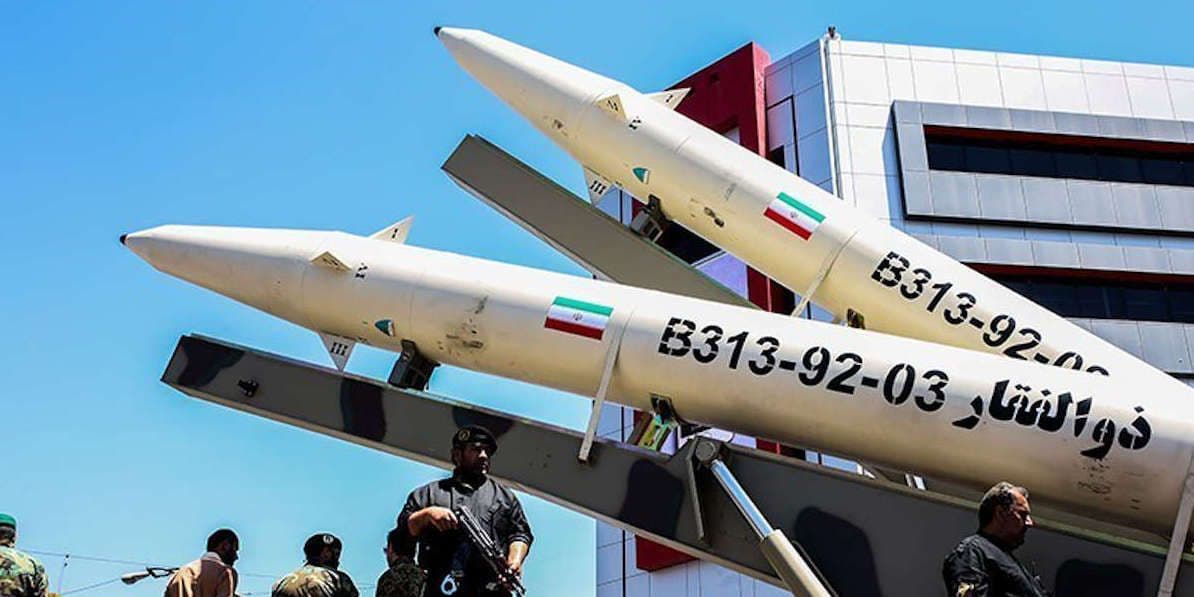
Tehran’s recent barrage of missiles and armed drones — launched in response to joint U.S.–Israeli strikes on Iranian territory — has rippled across the Middle East. Rather than being confined to military targets, the strikes have hit civilian infrastructure, commercial ports, airports, oil facilities, and urban centres in multiple nations. The fallout has left populations exposed to physical danger, halted air travel, and destabilised essential services.
United Arab Emirates — Airports, Hotels, Ports Hit
The UAE has borne some of the most visible impacts of the Iranian strikes. Ballistic missiles and drones have struck Abu Dhabi and Dubai, damaging key infrastructure:
Dubai International Airport and Zayed International Airport in Abu Dhabi sustained material damage as aerial projectiles struck or debris fell.
Fires and damage were reported at prominent sites including Burj Al Arab and Jebel Ali Port.
Official tallies indicate three people killed and dozens more wounded across strikes, with injuries among foreign nationals and local residents.
Airspace closures and airport shutdowns have left travel hubs crippled, with flights cancelled or diverted.

The UAE’s role as a commercial and tourism centre — long a symbol of stability in the Gulf — has been shaken by assaults on its logistical arteries and urban life.
Kuwait — Air Defences Tested and Civilian Harm
In Kuwait, hundreds of Iranian missiles and drones were intercepted as they entered the country’s airspace. Debris caused damage to Kuwait International Airport and injuries among refinery workers. Air defence operations have been intense, with vigorous efforts to neutralise the incoming barrage, but not before ground-level disruption took hold.
This level of interaction with Tehran’s offensive underscores how oil‑producing monarchies are being drawn directly into the regional conflict, even where they are not active combatants.
Israel — Urban and Strategic Targets
Although not a Gulf state, Israel sits squarely in the strike zone. Iranian missiles have hit cities like Tel Aviv and Jerusalem area suburbs, resulting in civilian casualties and significant urban disruption. Israel’s robust air defences have engaged waves of incoming projectiles, but injuries and damage have still been reported.
This rounds the conflict into a broader Middle East crisis rather than a narrow Gulf flashpoint.
Qatar — Interceptions, Injuries and Airspace Closures
Qatar has served as both a host to key military infrastructure and a target of incoming Iranian missiles and drones. While many projectiles were intercepted before ground contact, injuries among civilians were reported, and airspace was closed to protect commercial and military flights.
The Gulf state’s strategic position has made it a flashpoint even as it has tried to mediate and de‑escalate the conflict.
Bahrain — Airport and City Zones Struck
Bahrain has not escaped these retaliatory sweeps either. Iranian drone missiles struck near Bahrain International Airport and urban districts in Manama, causing infrastructure damage and forcing emergency responses. Though official reports vary on casualty counts, material harm and disruption to civilian life have been confirmed.
Iraq — Direct Impacts Amid Ongoing Instability
In Iraq, areas near populated regions such as Babil province were hit, with reported deaths and injuries. A drone’s crash near Erbil International Airport further highlights how Iran’s offensive has reached beyond simple missile trajectories into populated civilian zones.
Even where Iraq is not a frontline belligerent, these strikes compound internal security pressures and deepen public anxiety.
Oman — Ports and Marine Targets
For the first time in recent history, Oman has seen Iranian drones strike Duqm Port and vessels off its coast. Several people were reported injured in these assaults, and commercial facilities crucial to trade have been damaged.
This shift pulls a traditionally neutral mediator into the line of fire, signifying how regional escalation can engulf even noncombatant states.
Saudi Arabia — Energy Infrastructure Disrupted
While Saudi Arabia’s territory has not witnessed mass casualties from direct hits, Iranian assaults have threatened and damaged critical energy facilities, including drone impacts on refineries that forced shutdowns. Ras Tanura, one of the world’s largest oil export hubs, was shut down after a fire caused by aerial strikes, raising global energy supply concerns.
Saudi airspace remains on high alert, intercepting projectiles and affirming readiness to defend national sovereignty.
Airspace Shutdowns and Travel Chaos
Across these nations, airspace closures have been one of the most tangible effects felt by everyday people. Commercial carriers have cancelled or rerouted hundreds of flights, affecting tens of thousands of passengers and disrupting global travel corridors.

From the Gulf to northern Iraq and the Levant, skies once crowded with intercontinental flights now sit largely silent as military threats loom.
The Real Human and Economic Cost
The immediate toll — deaths, injuries, and damaged infrastructure — is only the surface. The deeper impact lies in:
Disrupted commerce as ports and oil facilities halt operations.
Travel paralysis that affects global supply chains.
Psychological strain on populations living under threat of aerial assault.
Economic consequences as energy markets and investment climates wobble.
In short, this conflict has morphed from a bilateral dispute into a region‑wide crisis with civilian lives and national economies at risk.





0 comments