
Your Read is on the Way
Every Story Matters
Every Story Matters
The Hydropower Boom in Africa: A Green Energy Revolution Africa is tapping into its immense hydropower potential, ushering in an era of renewable energy. With monumental projects like Ethiopia’s Grand Ethiopian Renaissance Dam (GERD) and the Inga Dams in the Democratic Republic of Congo, the continent is gearing up to address its energy demands sustainably while driving economic growth.
Northern Kenya is a region rich in resources, cultural diversity, and strategic trade potential, yet it remains underutilized in the national development agenda.

Can AI Help cure HIV AIDS in 2025

Why Ruiru is Almost Dominating Thika in 2025

Mathare Exposed! Discover Mathare-Nairobi through an immersive ground and aerial Tour- HD

Bullet Bras Evolution || Where did Bullet Bras go to?
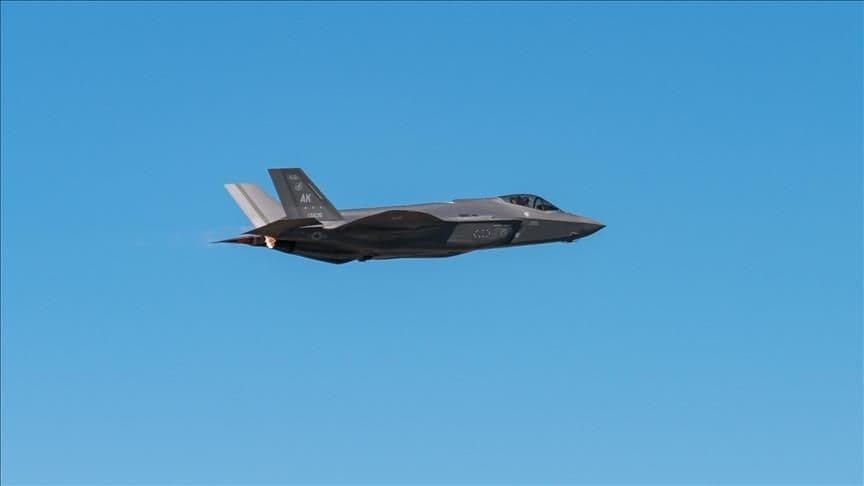
The Lockheed Martin F-35 Lightning II is among the most advanced fighter aircraft currently in operational service anywhere in the world. It was designed specifically to operate inside heavily defended airspace while avoiding detection by radar systems.
Its strength lies in stealth shaping, advanced electronic warfare capability, sensor fusion, and network-based targeting systems that allow pilots to detect threats earlier than conventional aircraft. These capabilities have led to the widespread perception that the aircraft is nearly impossible to intercept under normal battlefield conditions.
However, stealth technology reduces visibility rather than eliminating it completely.
Iranian military sources reported that their air-defense systems successfully struck a U.S. F-35 during recent operations. The claim immediately attracted international attention because it would represent a significant milestone if confirmed.
At present, there is no verified confirmation that any F-35 aircraft was destroyed. Available information suggests that at most, an aircraft may have experienced operational difficulty during a mission inside contested airspace.
Such uncertainty is common during active military confrontations, where both sides often release competing narratives for strategic and psychological reasons.
Although stealth aircraft are designed to avoid radar tracking, they are not completely invisible to modern detection systems. Advanced air-defense networks increasingly rely on multiple tracking methods operating simultaneously.
These methods include infrared detection systems capable of identifying heat signatures, passive radar systems that monitor signal reflections from external transmitters, and layered surveillance networks combining drones, ground radar, and electronic intelligence platforms.
When integrated effectively, these systems increase the probability of locating even highly advanced aircraft operating deep inside defended territory.
Iran has invested heavily over many years in developing a layered national air-defense structure. This structure combines locally produced missile platforms with imported technologies and mobile interception systems designed to respond quickly to aerial threats.
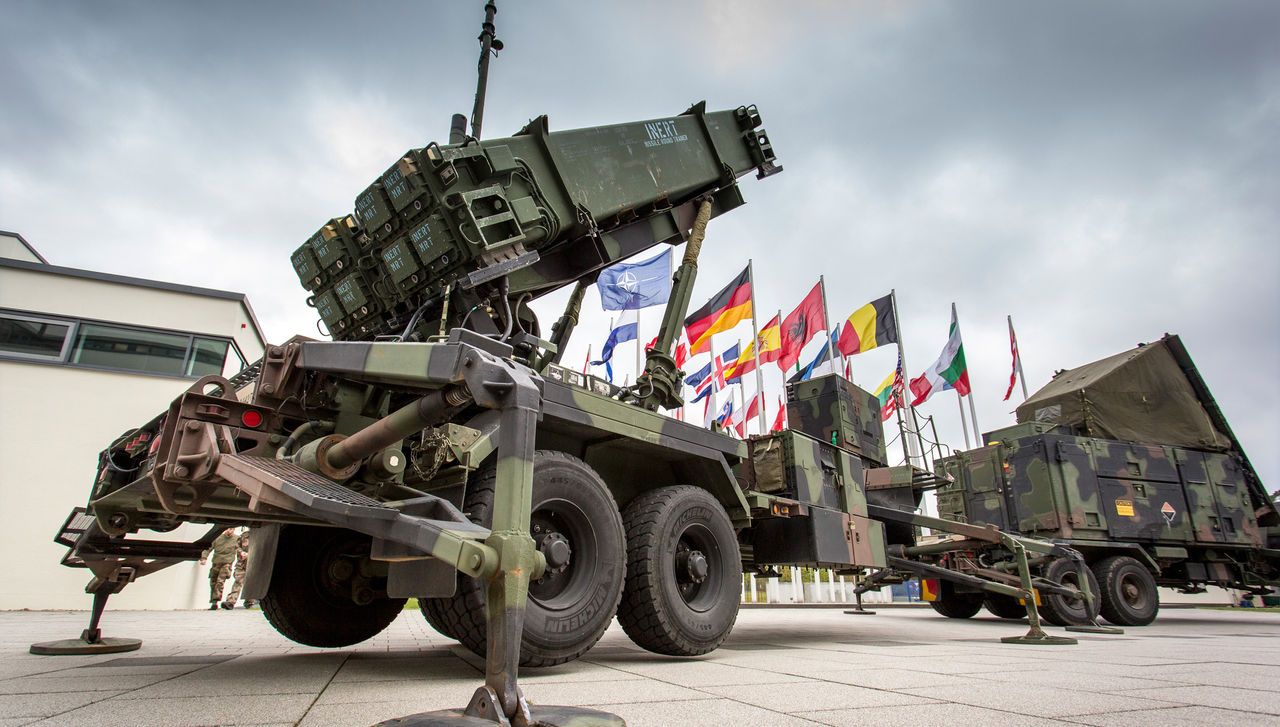
Layered defenses do not rely on a single detection point. Instead, they operate as coordinated networks that share information across multiple sensors. This increases the likelihood that aircraft operating repeatedly within contested airspace may eventually be tracked or engaged.
Such systems are particularly effective when defending national territory against sustained aerial operations.
Even the most advanced aircraft face increased danger when operating deep inside hostile territory protected by dense missile coverage. Stealth aircraft are most effective when they maintain tactical surprise and operate with strong electronic support environments.
When missions require repeated entry into defended airspace, exposure increases. Over time, opposing forces can adapt their detection methods and improve interception strategies.
This reality applies to all fifth-generation fighter aircraft regardless of technological sophistication.
Iran’s announcement carries significance beyond the technical question of whether an aircraft was destroyed. The claim itself forms part of a broader strategic messaging effort intended to demonstrate national defensive capability.
If any level of confirmed damage occurred, it would represent an important symbolic moment in modern air warfare. It would suggest that even advanced stealth platforms are not immune to evolving air-defense systems.
Such developments influence how future military planning is conducted in regions where sophisticated missile networks are already in place.
The debate surrounding the reported strike illustrates a larger shift in the balance between offensive airpower and defensive missile systems. For decades, stealth aircraft have provided a decisive advantage in penetrating defended airspace.
However, improvements in radar diversity, infrared tracking, and networked interception systems are gradually narrowing that advantage.
Rather than marking the end of stealth dominance, the incident highlights the continuing evolution of modern aerial warfare, where technological superiority increasingly depends on adaptation rather than permanence.




0 comments