
Your Read is on the Way
Every Story Matters
Every Story Matters
The Hydropower Boom in Africa: A Green Energy Revolution Africa is tapping into its immense hydropower potential, ushering in an era of renewable energy. With monumental projects like Ethiopia’s Grand Ethiopian Renaissance Dam (GERD) and the Inga Dams in the Democratic Republic of Congo, the continent is gearing up to address its energy demands sustainably while driving economic growth.
Northern Kenya is a region rich in resources, cultural diversity, and strategic trade potential, yet it remains underutilized in the national development agenda.

Can AI Help cure HIV AIDS in 2025

Why Ruiru is Almost Dominating Thika in 2025

Mathare Exposed! Discover Mathare-Nairobi through an immersive ground and aerial Tour- HD

Bullet Bras Evolution || Where did Bullet Bras go to?
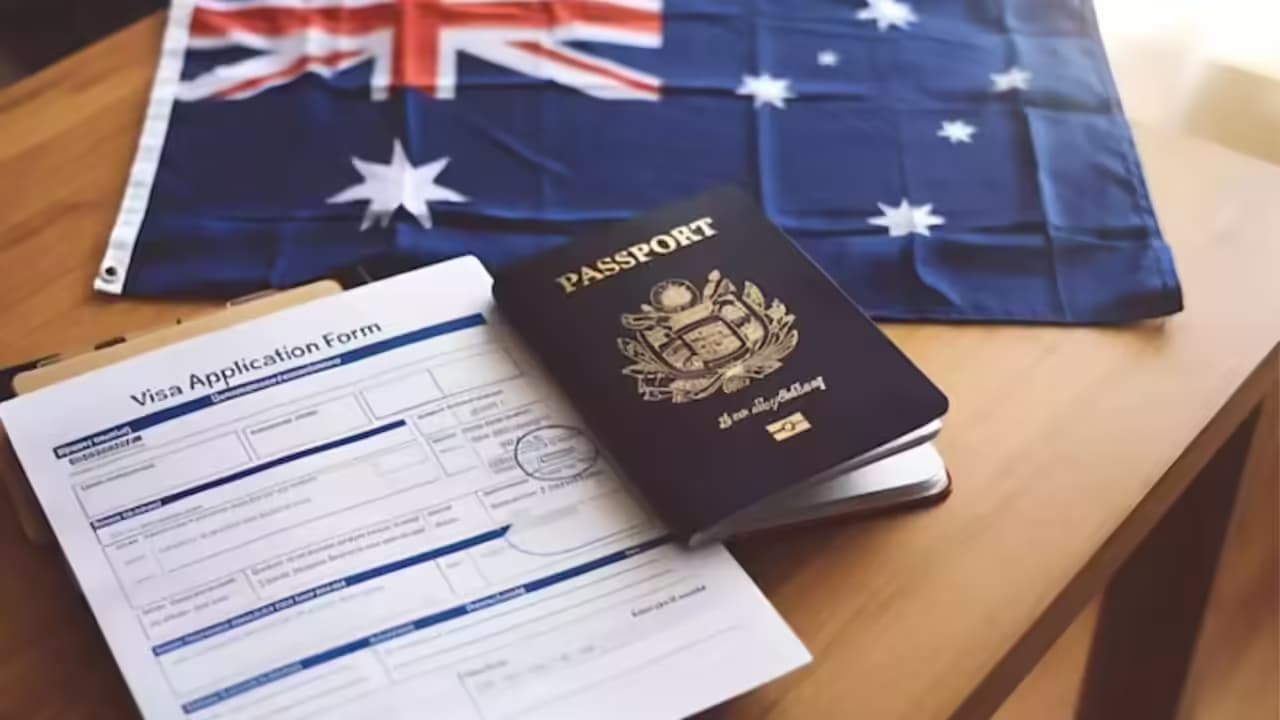
The Australian government has introduced a temporary restriction on the entry of new Iranian visitors. Under this measure, certain Iranian passport holders seeking to travel to Australia on visitor visas will be prevented from boarding flights or entering Australian territory during the ban period.
The restriction does not apply to Iranian citizens who already hold permanent residency in Australia or those physically present in the country at the time the ban took effect. It also does not automatically apply to close family members of Australians travelling under special family‑related visa categories.
The intent is to manage what authorities describe as unpredictable international mobility patterns linked to the current war environment.
Officials have characterized the ban as a precautionary and temporary response to extraordinary global conditions. The war in the Middle East, particularly the escalation involving Iran and other regional powers, has introduced uncertainty around international travel and border security.
The government’s position is that limiting new entries from certain populations during periods of intense conflict can help prevent unintended migration pressure and reduce risks associated with overstays or protection claims that authorities may find harder to adjudicate during global instability.
In essence, the policy links border management to broader geopolitical risk assessments.
The restriction is focused on new applicants for short‑stay and visitor visas issued to Iranian nationals who are outside Australia. These travellers may find themselves unable to enter Australia even if they hold valid visas that were granted before the announcement.
Notably, the ban is not applied to Iranian citizens who are already in Australia, residents returning home, or individuals entering on visas tied to family reunion or humanitarian considerations. These exemptions are intended to balance border restrictions with existing legal commitments and humanitarian considerations.
The ban has generated mixed reactions from the public and political commentators. Some view it as a cautious step in uncertain international conditions that require tighter border control. Others argue the policy unfairly penalizes ordinary travellers who have no connection to geopolitical hostilities and are simply seeking international mobility for tourism, family visits, or study.
Critics have raised concerns about the impact on cultural exchange, tourism, and diplomatic goodwill, suggesting that temporary bans can strain bilateral relationships and create long‑lasting effects on trust in immigration systems.
Supporters counter that in times of widespread conflict, temporary border controls are a legitimate tool for maintaining national security and orderly migration management.
The government has presented the restriction as temporary, intended to remain in operation for a specified period during which regional tensions and uncertainty are at their peak. The duration is designed to allow time for assessment of global conditions and potential adjustment of policies once the conflict dynamics evolve.
Authorities have signaled that the ban will be reviewed periodically, with adjustments possible based on shifting risk assessments and geopolitical developments.
For Iranian citizens planning travel to Australia in the near term, the ban means that entry on certain visitor visas may be blocked. Individuals already in Australia or holding stronger residence statuses are unaffected, but those outside seeking to enter — even with pre‑approved visas — may encounter travel restrictions.
Read this related article: Why Trump Imposed a Travel Ban on Nationals from Several Countries
Prospective travellers are encouraged to monitor official announcements and consult relevant authorities for updated guidance on visa eligibility and travel conditions.




0 comments