
Your Read is on the Way
Every Story Matters
Every Story Matters
The Hydropower Boom in Africa: A Green Energy Revolution Africa is tapping into its immense hydropower potential, ushering in an era of renewable energy. With monumental projects like Ethiopia’s Grand Ethiopian Renaissance Dam (GERD) and the Inga Dams in the Democratic Republic of Congo, the continent is gearing up to address its energy demands sustainably while driving economic growth.
Northern Kenya is a region rich in resources, cultural diversity, and strategic trade potential, yet it remains underutilized in the national development agenda.

Can AI Help cure HIV AIDS in 2025

Why Ruiru is Almost Dominating Thika in 2025

Mathare Exposed! Discover Mathare-Nairobi through an immersive ground and aerial Tour- HD

Bullet Bras Evolution || Where did Bullet Bras go to?
Iran’s foreign minister has declared that negotiations with the United States are no longer under consideration during the current phase of the conflict. According to Tehran’s position, earlier diplomatic engagement collapsed after American and allied strikes targeted Iranian infrastructure and military assets.
From Iran’s perspective, the timing of the attacks undermined trust built during earlier indirect negotiations that had taken place only weeks before hostilities intensified. The leadership now argues that dialogue cannot proceed while active military pressure continues.
This stance signals a shift from cautious diplomacy earlier in the year to a hardened wartime posture.
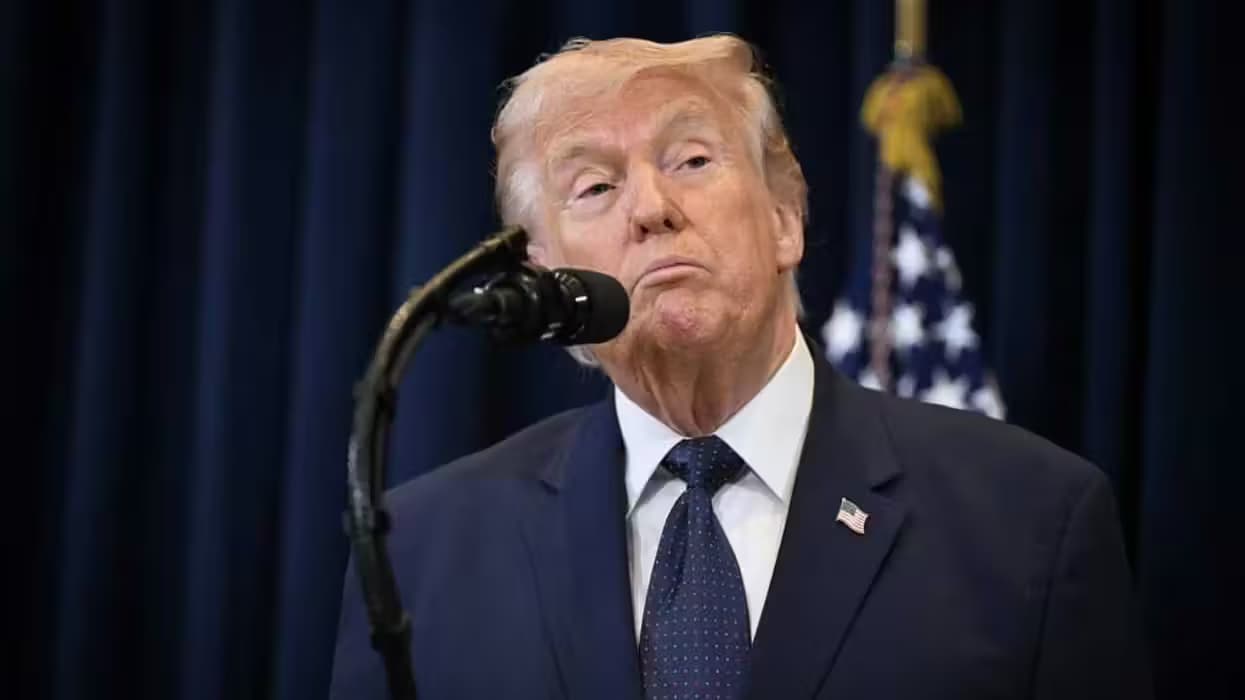
At the same time, President Donald Trump has warned that the United States is prepared to escalate its campaign if Iranian attacks continue. His administration has framed the operation as a preventive effort aimed at weakening Iran’s military capability and limiting its regional influence.
Trump has repeatedly suggested that the conflict could expand if Tehran threatens international shipping routes, U.S. forces in the region, or allied states. Statements from Washington indicate that further strikes remain an active option rather than a distant possibility.
The warning reflects a strategy designed to maintain pressure while keeping diplomatic leverage available if conditions change.
Only weeks before the conflict intensified, indirect negotiations between Tehran and Washington were still underway through mediators. These talks focused largely on nuclear policy, sanctions relief, and regional security concerns.
Iran had signaled willingness to consider structured agreements, while the United States insisted on strict limitations on uranium enrichment and missile capabilities. Differences over these issues remained unresolved when military confrontation began.
Once strikes were launched, diplomatic momentum quickly disappeared.
Iranian officials have indicated that the country is ready to continue military resistance for as long as necessary. The government has framed its position as defensive, arguing that it is responding to external attacks rather than initiating escalation.
This messaging is intended both for domestic audiences and for international observers. It reinforces Tehran’s effort to present itself as resisting pressure rather than retreating under military threat.
The position also suggests that a rapid diplomatic breakthrough remains unlikely in the short term.
Iran has also suggested that some Gulf states hosting U.S. military forces may be encouraging Washington to maintain pressure on Tehran. These claims reflect the wider regional dimension of the conflict, which extends beyond a direct U.S.–Iran confrontation.
The involvement or alignment of neighboring states affects calculations on both sides and increases the complexity of any potential diplomatic settlement.
This wider geopolitical environment makes negotiations more difficult even if both sides eventually return to talks.
Despite public statements rejecting negotiations, indirect communication between the two sides is widely believed to continue through intermediaries such as regional governments. These channels often remain active during conflicts even when official diplomacy appears suspended.
Such mediation efforts typically focus on preventing escalation rather than achieving immediate peace agreements. Their existence suggests that neither side has fully closed the door to future engagement.
For now, however, public messaging from both Tehran and Washington continues to emphasize pressure rather than compromise.




0 comments