










A Shift in Strategy: From Defense to Disruption
As the war in Ukraine grinds on with no clear resolution, Western leaders are rethinking their approach. Instead of deploying conventional forces to enforce peace or deter further aggression, a new and highly classified unit—the Phantom Brigade—has emerged. This elite force is designed not to hold territory or mediate ceasefires but to cripple Russia’s ability to wage war.
Unlike traditional multinational forces that establish security and monitor conflicts, the Phantom Brigade operates in the shadows. It specializes in covert operations aimed at disrupting supply chains, infiltrating enemy networks, and launching strategic sabotage missions deep inside Russian-controlled areas. This shift signals a new phase in Western involvement—one that prioritizes undermining Russia’s military machine over conventional deterrence.
Why the Phantom Brigade?
The idea behind the Phantom Brigade is rooted in modern hybrid warfare. Instead of engaging in direct confrontation, this force exploits economic vulnerabilities, logistical weaknesses, and psychological warfare to erode Russian effectiveness over time. The strategy is built on several key principles:
- Asymmetrical Engagement: The brigade doesn’t fight traditional battles; instead, it specializes in disrupting Russian operations through ambushes, cyber attacks, and misinformation.

- Minimal Footprint, Maximum Impact: Unlike large peacekeeping missions, the Phantom Brigade is small, mobile, and difficult to detect, operating in highly specialized units.
- Strategic Chaos: By targeting critical Russian assets—supply depots, railway hubs, fuel storage sites—the brigade ensures that Russia’s war machine remains in a constant state of disarray.
Behind Enemy Lines: The Mission of the Phantom Brigade
The Phantom Brigade doesn’t operate on the front lines of battle. Instead, it infiltrates Russian-occupied territories and operates in the shadows, striking at the heart of enemy logistics and infrastructure.
Key Objectives:
1.Supply Chain Disruption:
Russian forces rely on an intricate web of supply lines to maintain their war effort. The Phantom Brigade’s operatives work to destroy fuel depots, derail supply trains, and sabotage ammunition stockpiles, making it increasingly difficult for Russia to sustain its forces.
.Cyber Warfare and Misinformation Campaigns:
The Phantom Brigade’s digital operatives hack into Russian military communications, manipulate satellite data, and spread false intelligence. By injecting confusion into enemy ranks, they weaken Russia’s command and control structure.
3.Tactical Sabotage:
From blowing up bridges and railway junctions to jamming enemy radar systems, the brigade uses sabotage to make Russian advances slower, costlier, and more chaotic.
4.Psychological Warfare:
The brigade exploits Russia’s internal divisions by circulating fake orders, spreading rumors of mutiny, and amplifying dissent within Russian ranks. Morale is a key battlefield, and the Phantom Brigade ensures that Russian soldiers remain uncertain and demoralized.
5.Covert Collaboration with Ukrainian Resistance:
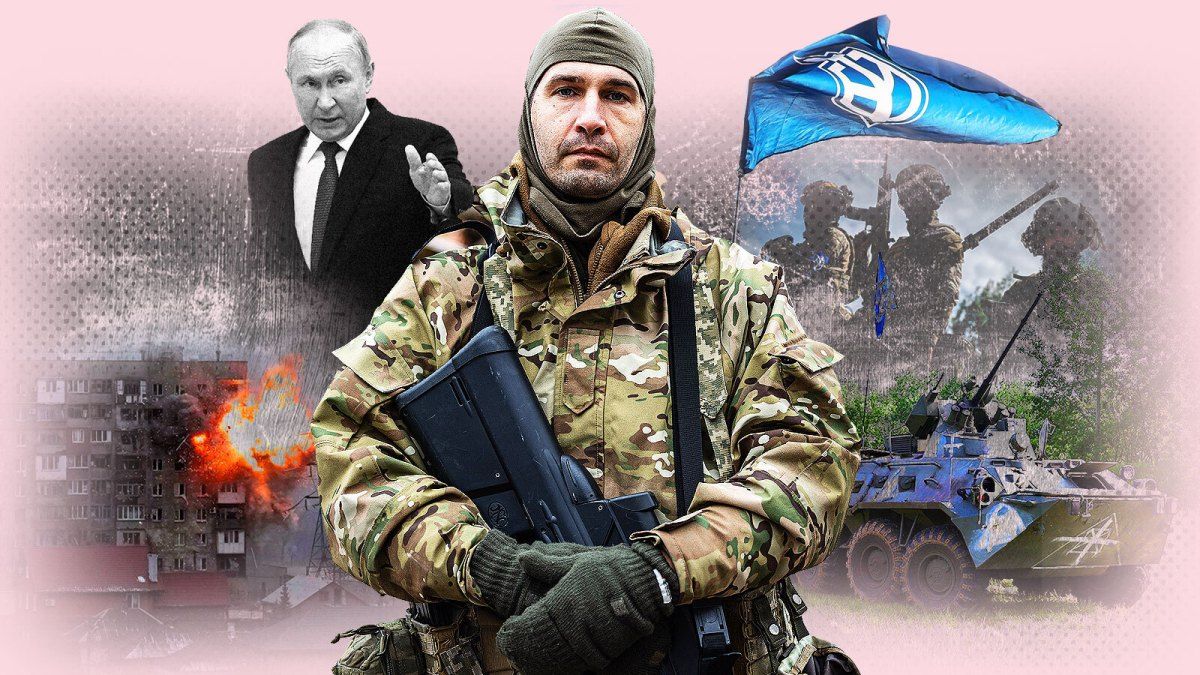
Ukrainian partisan groups operate behind enemy lines, but they lack Western technology and intelligence. The Phantom Brigade bridges this gap, supplying local fighters with weapons, encrypted communications, and real-time battlefield data.
A European-Led Operation: Filling the U.S. Void
Unlike previous Western interventions, where the U.S. played a dominant role, the Phantom Brigade is a European-led initiative. With Washington hesitant to escalate its involvement, key European nations—particularly the UK, France, and Germany—have stepped up to create a force tailored for unconventional warfare.
Key Players in the Phantom Brigade:
- The United Kingdom: Leading the charge, British special forces have experience in clandestine operations, making them key architects of the brigade’s mission strategy.
- France: Contributing advanced cyber warfare capabilities and intelligence-gathering technology to track and disrupt Russian operations.
- Germany: Supplying critical financial and logistical support, ensuring the force is well-equipped and can operate independently.
- Poland and the Baltic States: Providing key staging grounds for operations and close collaboration with Ukrainian resistance networks.
While the U.S. remains cautious, some policymakers believe that once the Phantom Brigade proves its effectiveness, Washington may reconsider and provide intelligence support or satellite surveillance to enhance its impact.
The Risks of Escalation: Will Russia Strike Back?
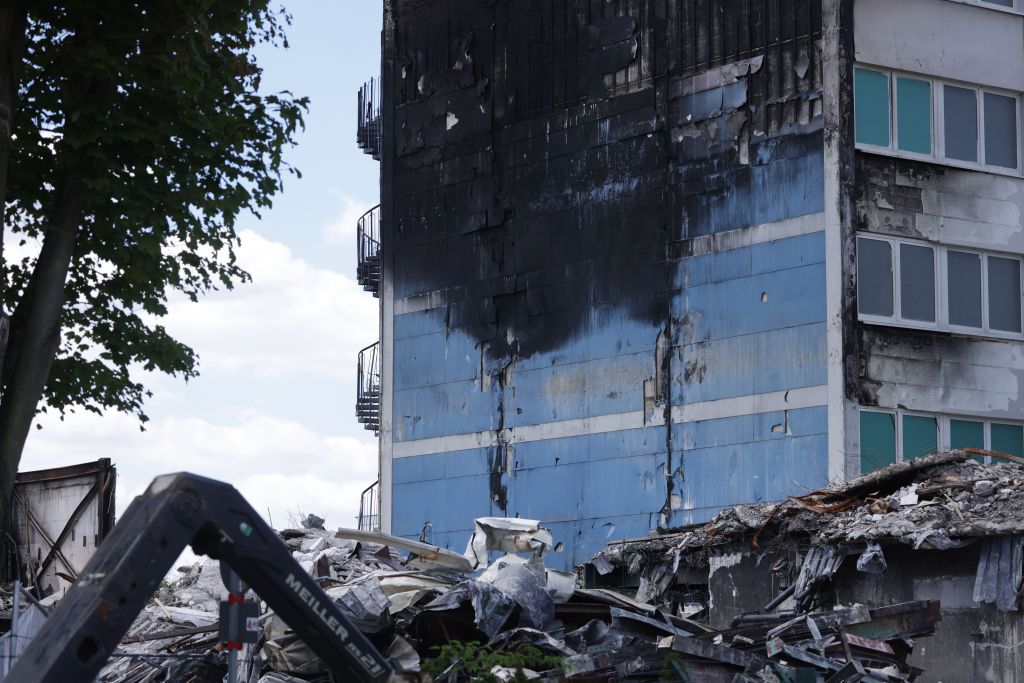
Deploying an elite sabotage unit into a warzone is not without risks. If Russian forces uncover the extent of the Phantom Brigade’s activities, Moscow may retaliate harshly. This could include:
- Targeting European allies through cyberattacks on financial systems and infrastructure.
- Launching counter-sabotage operations against Western intelligence networks.
- Stepping up missile strikes against Ukraine in an effort to flush out resistance cells.
However, European leaders believe the covert nature of the brigade reduces the likelihood of direct confrontation. Unlike deploying thousands of conventional troops, the Phantom Brigade operates in secrecy, making it difficult for Russia to justify an open retaliation.
A War Without an Endgame?
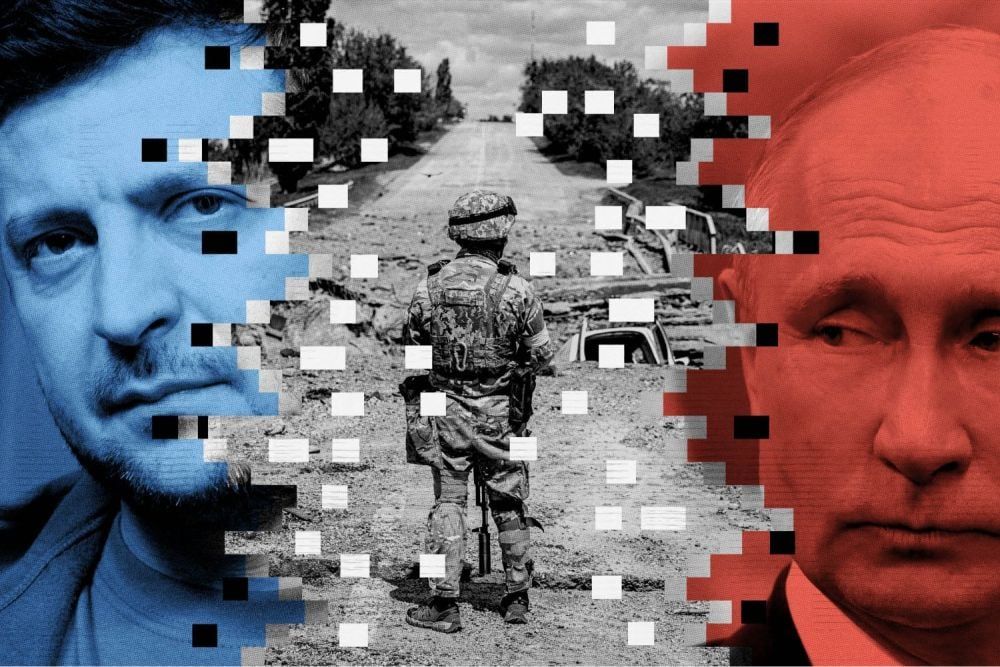
For all the planning and execution, the Phantom Brigade’s existence highlights a grim reality: the war in Ukraine has no foreseeable conclusion. While some still hope for a diplomatic resolution, many within the Ukrainian government remain skeptical that Russia is willing to negotiate in good faith.
With this in mind, Western nations are shifting toward a long-term strategy of attrition—not seeking an outright Ukrainian victory, but ensuring that Russia’s ability to wage war is systematically eroded over time. The Phantom Brigade is not a peacekeeping force—it is a weapon designed to keep Russia bleeding, indefinitely.
Conclusion: A New Era of Warfare
The Phantom Brigade marks a departure from traditional military interventions. Instead of boots on the ground and peace talks, the West has embraced shadow warfare—where information, deception, and sabotage are the new battlegrounds. As the conflict in Ukraine continues to evolve, one thing is certain: the war may not be fought in broad daylight, but in the dark corners where no one sees it coming.
0 comments