
Your Read is on the Way
Every Story Matters
Every Story Matters
The Hydropower Boom in Africa: A Green Energy Revolution Africa is tapping into its immense hydropower potential, ushering in an era of renewable energy. With monumental projects like Ethiopia’s Grand Ethiopian Renaissance Dam (GERD) and the Inga Dams in the Democratic Republic of Congo, the continent is gearing up to address its energy demands sustainably while driving economic growth.
Northern Kenya is a region rich in resources, cultural diversity, and strategic trade potential, yet it remains underutilized in the national development agenda.

Can AI Help cure HIV AIDS in 2025

Why Ruiru is Almost Dominating Thika in 2025

Mathare Exposed! Discover Mathare-Nairobi through an immersive ground and aerial Tour- HD

Bullet Bras Evolution || Where did Bullet Bras go to?
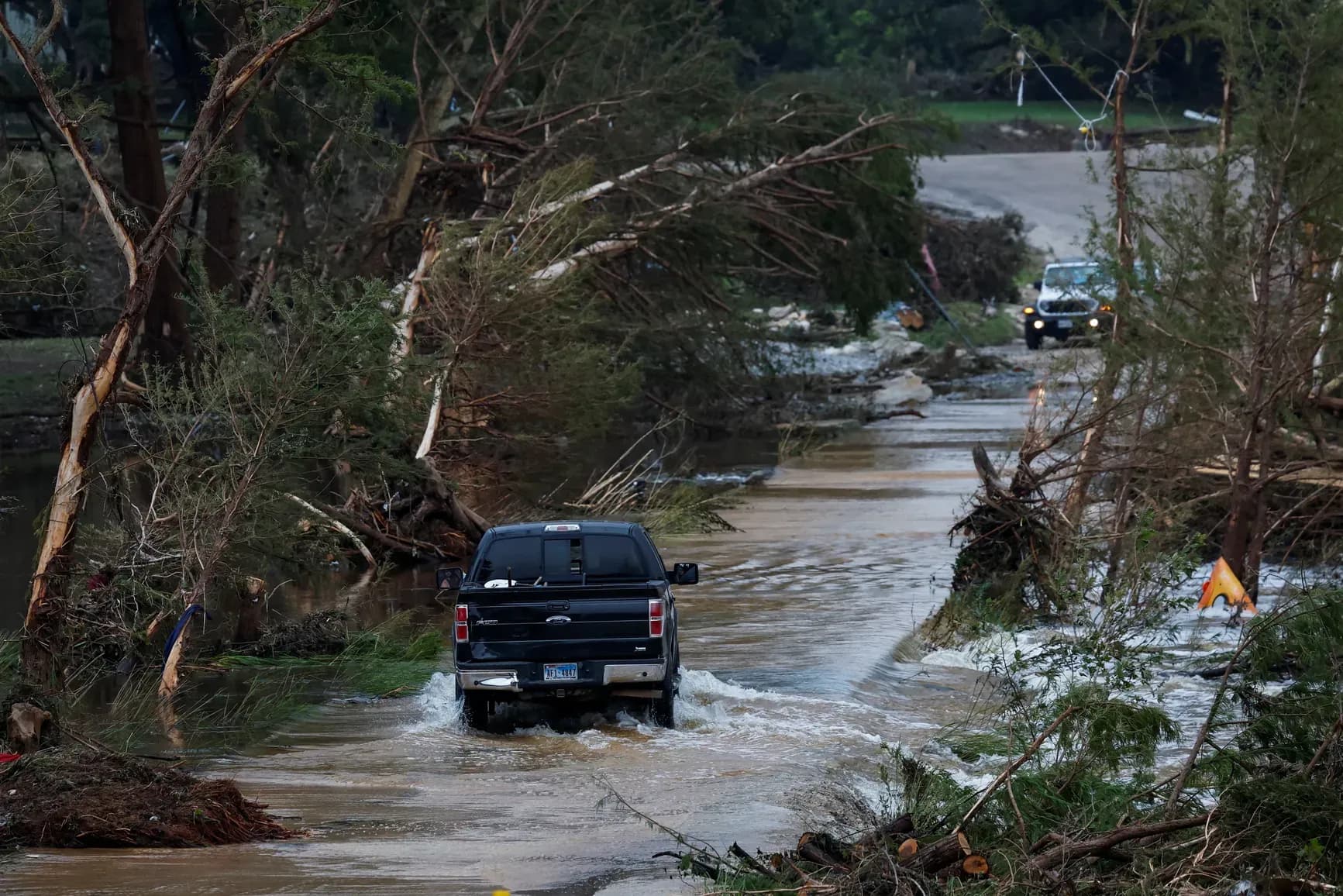
Texas is once again reeling from the aftermath of an unrelenting natural disaster. The latest floods, triggered by days of intense rainfall and overflowing rivers, have now claimed the lives of at least 107 people. As the waters recede in some regions, they leave behind a devastating trail of submerged homes, destroyed infrastructure, and grieving communities. This latest death toll, confirmed by state emergency services, marks one of the deadliest weather events in recent Texan history.
Entire neighborhoods in cities like Houston, Austin, and San Antonio have been inundated. Bridges have collapsed, highways have become impassable, and emergency responders are struggling to reach remote locations. In many areas, power has been out for days, and communication networks remain disrupted, adding to the logistical nightmare faced by rescue teams.
The storm systems that caused the flooding were stronger and more prolonged than initially forecast. Riverbanks burst under pressure, while levees in some counties failed completely. Authorities have issued fresh evacuation warnings, particularly in southeastern regions, where waters continue to rise.
Shelters in churches, schools, and stadiums have taken in thousands of displaced residents. Medical staff are working around the clock, as hospitals face rising cases of flood-related injuries and waterborne diseases. Helicopters and rescue boats remain on standby, but a shortage of equipment and personnel is hindering operations.
State officials have asked for additional federal assistance, including military support, to accelerate the response. However, with transportation routes damaged and several towns still cut off, even well-resourced teams face daunting challenges in getting aid to those in need.
In the chaos, hundreds remain missing. Distraught families continue to wait for news, some clinging to hope while others fear the worst. The state’s morgues are reaching capacity, and temporary facilities are being set up in affected counties.
Survivors speak of flash floods that came without warning, rising waters in minutes, and frantic escapes through rooftops and windows. Community volunteers have joined the search-and-rescue efforts, but many fear that the true extent of the tragedy has yet to be uncovered.
As the immediate crisis persists, longer-term issues are beginning to emerge. With sanitation systems overwhelmed and potable water in short supply, fears of disease outbreaks are rising. Meanwhile, damage assessments are only beginning, and early estimates suggest billions in losses.
Federal disaster declarations have been issued across multiple counties, but rebuilding will take months—if not years. For the families who have lost everything, the road to recovery will be long, uncertain, and painful.





0 comments