
Your Read is on the Way
Every Story Matters
Every Story Matters
The Hydropower Boom in Africa: A Green Energy Revolution Africa is tapping into its immense hydropower potential, ushering in an era of renewable energy. With monumental projects like Ethiopia’s Grand Ethiopian Renaissance Dam (GERD) and the Inga Dams in the Democratic Republic of Congo, the continent is gearing up to address its energy demands sustainably while driving economic growth.
Northern Kenya is a region rich in resources, cultural diversity, and strategic trade potential, yet it remains underutilized in the national development agenda.

Can AI Help cure HIV AIDS in 2025

Why Ruiru is Almost Dominating Thika in 2025

Mathare Exposed! Discover Mathare-Nairobi through an immersive ground and aerial Tour- HD

Bullet Bras Evolution || Where did Bullet Bras go to?
What was expected to be a diplomatic exchange between former U.S. President Donald Trump and Russian President Vladimir Putin turned into a confrontation layered with tension, warnings, and geopolitical distrust. Following Ukraine’s surprise drone attack on Russian airbases, Trump reached out to Putin in a call that lasted over an hour, aiming to contain the spiral. But instead of easing tensions, the exchange exposed deep divides, especially on Ukraine’s strategy and Russia’s retaliatory threats.
Putin, visibly agitated by the attack that targeted Russian bombers, warned Trump of an “inevitable response.” While Russia’s official channels remained silent, insiders suggest Moscow is considering military escalation if Ukraine continues cross-border strikes.
During the call, Putin reportedly accused the Ukrainian government of crossing a red line. He described Kyiv’s drone operation not as warfare but as an act of terrorism, alleging that Ukraine’s leadership had abandoned diplomacy in favor of provocation.
This stark language has heightened global concerns, particularly as negotiations between Kyiv and Moscow recently collapsed in Istanbul. Russia now claims it offered limited ceasefires in targeted regions, while Ukraine’s negotiators argue that no credible plan for peace has come from the Kremlin.
While Trump reiterated that peace talks must continue, he made it clear the U.S. had no prior knowledge of Ukraine’s drone assault. He downplayed speculation that Washington might have greenlit or coordinated the attack behind the scenes.
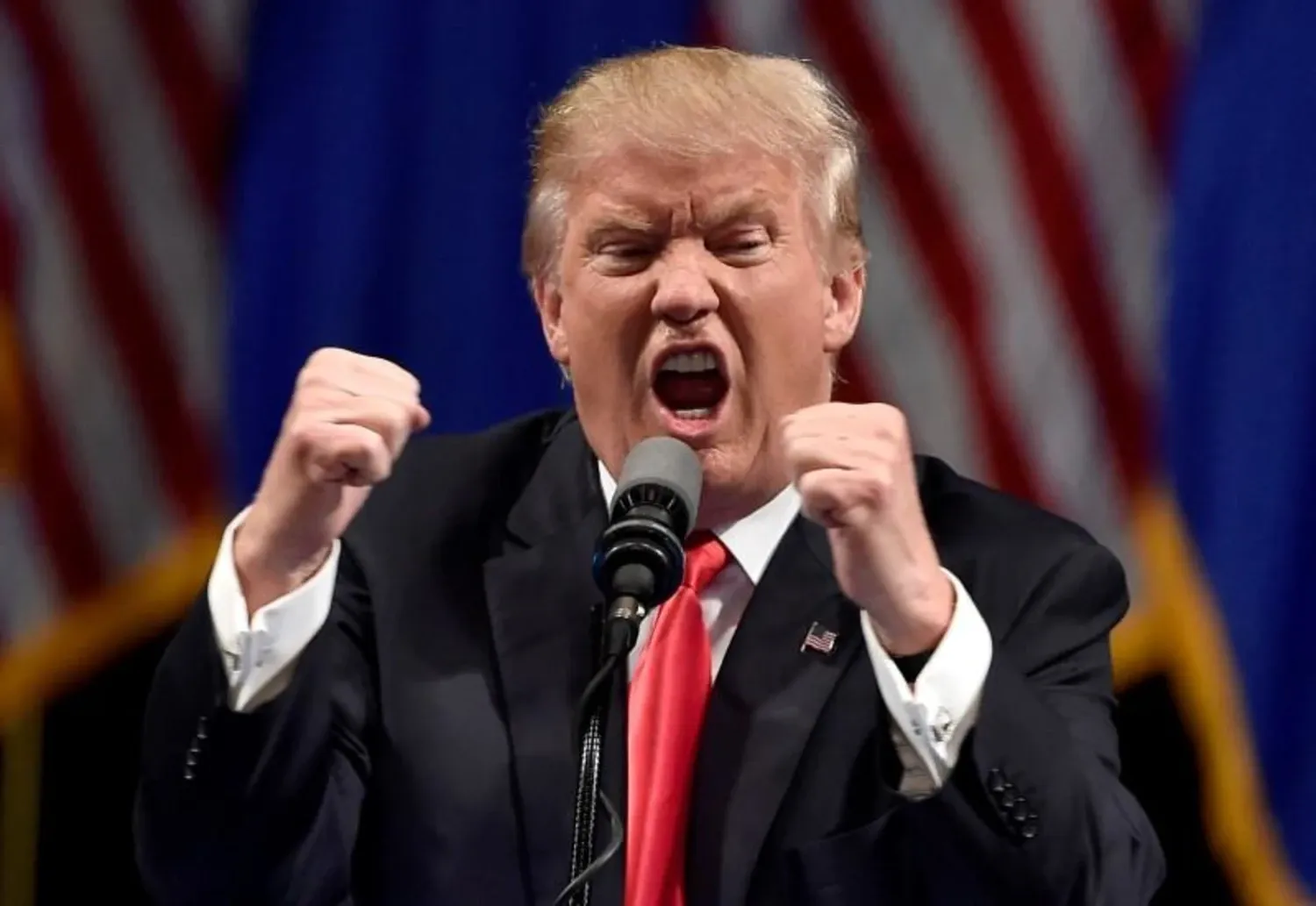
Trump, who has publicly criticized Putin’s actions in Ukraine as “reckless,” has also expressed frustration with both sides. Notably absent in his social media updates, however, was any mention of his prior ultimatum: that he would reconsider his stance if peace didn’t materialize within two weeks.
Meanwhile, Ukraine’s President Volodymyr Zelensky used the moment to double down on criticism of international apathy. In a bold statement, he warned that ignoring Putin’s threats would only embolden Moscow. Zelensky’s message was underscored by a fresh round of missile attacks that devastated Ukrainian cities, further muddying the waters for any meaningful peace.
As Trump and Putin exchanged views, a delegation of Ukrainian officials landed in Washington to push for expanded military aid. Top-level Ukrainian envoys met with U.S. senators to discuss ramping up arms supplies, tightening sanctions on Moscow, and unlocking a stalled investment fund for reconstruction.
Ukraine's leadership remains adamant that without a strong U.S. stance and sustained pressure on the Kremlin, peace remains an illusion.
The phone call between Trump and Putin didn’t just revolve around Ukraine. Iran’s nuclear program also took center stage. Trump urged Putin to support U.S.-led efforts to halt Iran’s uranium enrichment, arguing that allowing Tehran to develop a nuclear weapon would destabilize the entire Middle East.
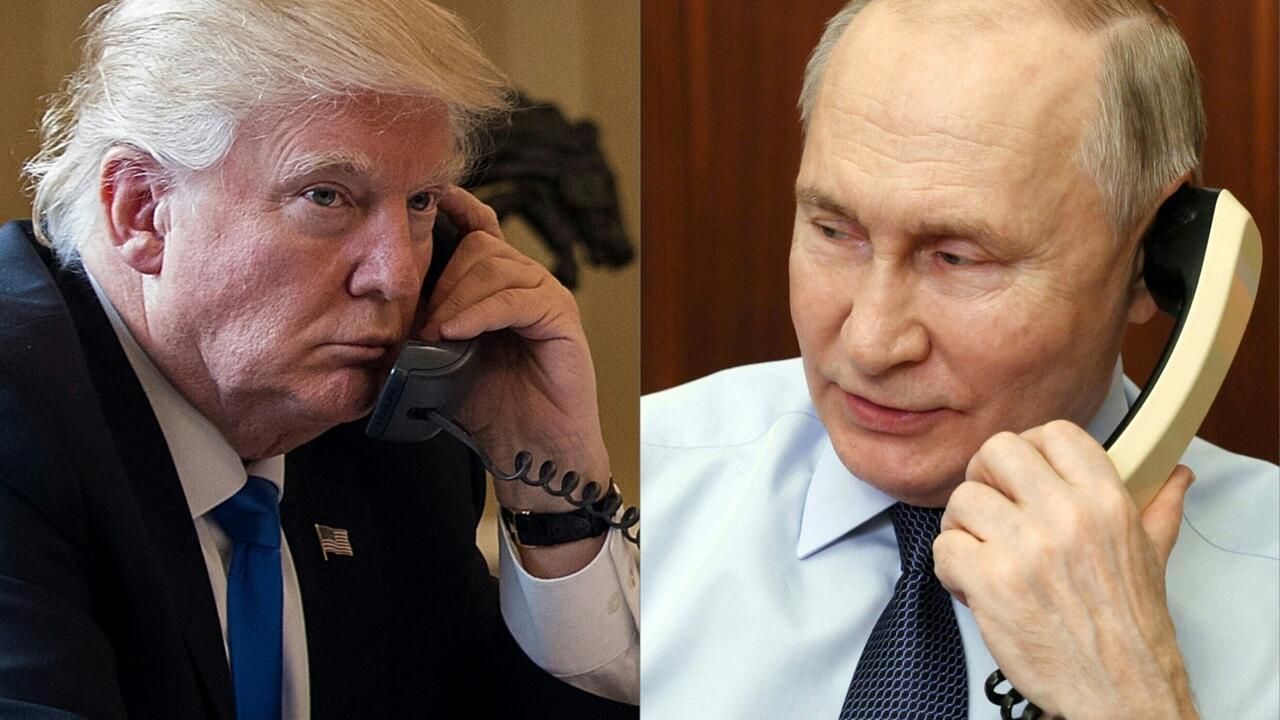
Putin, while noncommittal, reportedly expressed interest in participating in talks. Yet, hours later, Iran’s Supreme Leader publicly rejected the idea of suspending uranium enrichment, suggesting that American pressure will not dictate Tehran’s path.
The latest round of peace negotiations in Istanbul ended with no meaningful results. While a prisoner exchange agreement was the only achievement, core issues like ceasefires, withdrawal lines, and security guarantees remain unsolved.
Ukraine demanded an unconditional halt to hostilities. Russia countered with selective regional pauses—suggesting it views these discussions as tactical breathing room rather than an opening for lasting peace.
The outcome of the Trump-Putin call paints a grim picture. Despite both leaders suggesting there is “enormous potential” for future cooperation, the rhetoric remains more dominant than resolution. Peace remains elusive, and the battlefield continues to shape the negotiation table.
Whether Trump’s renewed diplomatic engagement will produce tangible results is uncertain. What is clear, however, is that the political temperature is rising on all sides, and the world is watching closely for the next turn in this volatile conflict.






0 comments