
Your Read is on the Way
Every Story Matters
Every Story Matters
The Hydropower Boom in Africa: A Green Energy Revolution Africa is tapping into its immense hydropower potential, ushering in an era of renewable energy. With monumental projects like Ethiopia’s Grand Ethiopian Renaissance Dam (GERD) and the Inga Dams in the Democratic Republic of Congo, the continent is gearing up to address its energy demands sustainably while driving economic growth.
Northern Kenya is a region rich in resources, cultural diversity, and strategic trade potential, yet it remains underutilized in the national development agenda.

Can AI Help cure HIV AIDS in 2025

Why Ruiru is Almost Dominating Thika in 2025

Mathare Exposed! Discover Mathare-Nairobi through an immersive ground and aerial Tour- HD

Bullet Bras Evolution || Where did Bullet Bras go to?
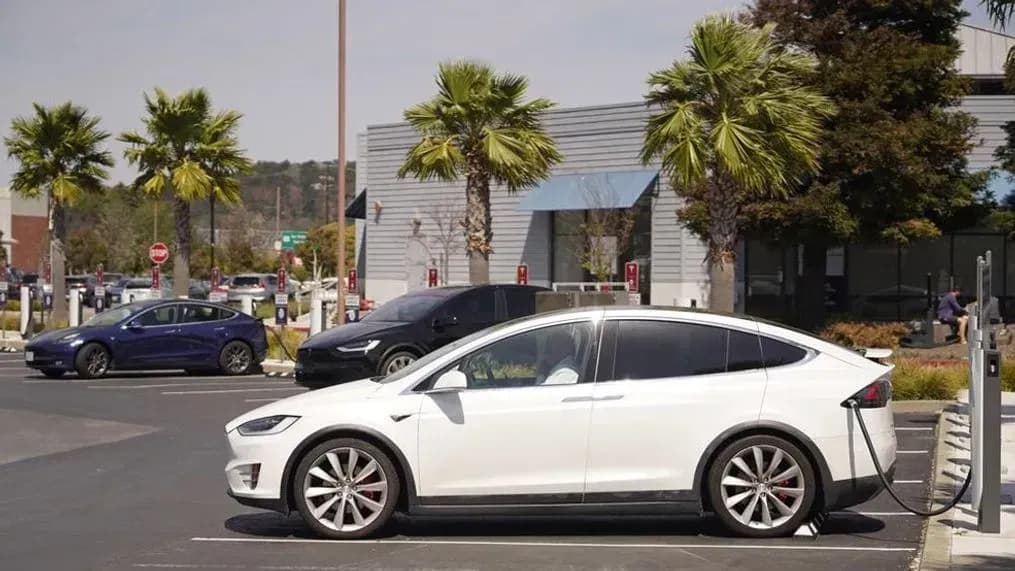
President Donald Trump has moved decisively to revoke California’s signature zero-emission vehicle (ZEV) mandate, which aimed to phase out new gas-powered vehicle sales by 2035. The regulation, a cornerstone of California's environmental strategy, has long been a model for several other states that follow its stricter vehicle emissions standards.
Trump’s decision marks a stark reversal in federal environmental policy and raises critical questions about state sovereignty in climate-related legislation.
The rollback was executed through the Congressional Review Act, a mechanism that allows Congress to rescind federal regulations with a simple majority vote and the President’s signature. By targeting California’s authority under the Clean Air Act, the move seeks to halt the state’s aggressive push toward electrification.
This not only dismantles California’s timeline for transitioning to clean vehicles but also disrupts the roadmap followed by over a dozen other states that mirror its regulations.
California’s leadership has not taken the move lightly. While the state has historically maintained the ability to set its own emissions standards due to waivers granted under federal law, this latest intervention from Washington challenges that precedent.
State officials are preparing to launch a legal battle aimed at defending their regulatory autonomy. The clash is expected to play out in federal courts, where the balance between state innovation and federal oversight in environmental matters will be tested.
Trump’s decision introduces new complexity for the automotive industry. Manufacturers had already begun adjusting to California’s ambitious EV requirements, investing heavily in battery technology, production lines, and sales strategies aligned with electrification.
The reversal creates a divided landscape where national regulations may no longer reflect the direction previously championed by the country’s largest car market. While some automakers may welcome regulatory relief, others face the burden of navigating inconsistent standards across states.
Beyond regulatory debates, the move holds broader implications for clmate change policy and America’s clean energy future. California’s EV mandate was not merely a state initiative—it was a catalyst for broader national and global shifts toward decarbonized transportation. Its dismantling could slow down the pace of innovation, weaken momentum for renewable energy integration, and reduce investments in charging infrastructure and green jobs.
Additionally, this action reorients the national conversation away from emission reduction and back toward traditional fuel reliance, just as global markets are pivoting toward clean mobility. Environmental advocates warn that the repeal could jeopardize public health goals and America’s leadership in clean automotive technology.
The revocation of California’s electric vehicle mandate underscores the high-stakes nature of environmental policymaking in the United States. It places federalism, industry innovation, and climate responsibility at the heart of a heated debate. With legal challenges looming, state governments and automakers will be watching closely to see whether California’s clean transportation vision can be salvaged—or whether a new direction is now firmly set in motion.





0 comments