
Your Read is on the Way
Every Story Matters
Every Story Matters
The Hydropower Boom in Africa: A Green Energy Revolution Africa is tapping into its immense hydropower potential, ushering in an era of renewable energy. With monumental projects like Ethiopia’s Grand Ethiopian Renaissance Dam (GERD) and the Inga Dams in the Democratic Republic of Congo, the continent is gearing up to address its energy demands sustainably while driving economic growth.
Northern Kenya is a region rich in resources, cultural diversity, and strategic trade potential, yet it remains underutilized in the national development agenda.

Can AI Help cure HIV AIDS in 2025

Why Ruiru is Almost Dominating Thika in 2025

Mathare Exposed! Discover Mathare-Nairobi through an immersive ground and aerial Tour- HD

Bullet Bras Evolution || Where did Bullet Bras go to?
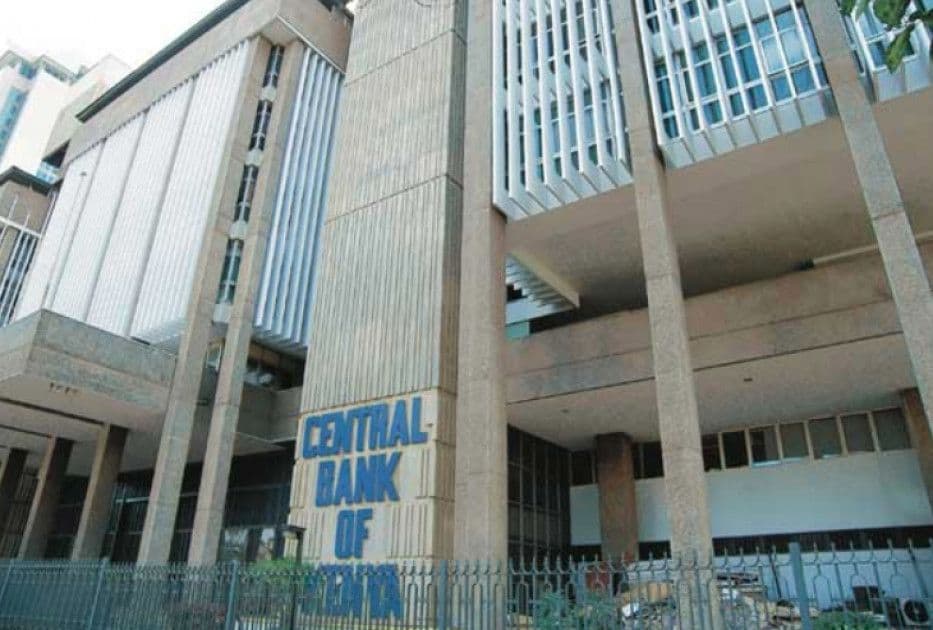
The Central Bank of Kenya (CBK) has slashed its base lending rate for the sixth time, signaling yet another effort to ignite private sector credit growth and relieve pressure on borrowers. The repeated rate cuts reflect growing concern within monetary policy circles that Kenya’s economic engine is sputtering under the weight of high debt, tight liquidity, and weak business confidence.
Lowering the rate is meant to encourage commercial banks to reduce interest charges, making loans more attractive to both businesses and individuals. The goal is to unlock capital, boost consumer spending, and revive investments that have stalled due to expensive credit.
The CBK’s Monetary Policy Committee has been consistently cutting the rate in response to a tough economic environment. After inflation peaked and the cost of living surged in the past two years, many small businesses either closed shop or paused expansion plans. Household debt also ballooned as interest rates made borrowing a costly affair.
CBK’s response has been simple — cut the base rate to give banks the room to lend more affordably. This is part of a wider effort to stimulate the real economy without compromising financial stability.
Despite the cuts, there’s growing concern that the benefits aren’t flowing to those who need them most. Commercial banks remain cautious. Lending to the private sector has not expanded significantly, partly because of increased government borrowing that offers safer returns for lenders.
With Treasury planning to borrow over Ksh.592 billion domestically in the upcoming fiscal year, banks have little incentive to take on riskier private loans. This dynamic continues to choke credit access for small and medium-sized enterprises that fuel job creation and local growth.
While the CBK wants to lower the cost of borrowing, it also has to manage inflation, which remains a threat. Any aggressive monetary easing could weaken the shilling, raise import costs, and reignite inflation. The bank must walk a fine line between making credit affordable and keeping macroeconomic fundamentals in check.
It’s a tough balancing act. Kenya’s inflation has moderated but still poses enough risk to warrant caution. The central bank is betting that rate cuts, combined with cautious fiscal coordination, will help the country avoid a debt trap or economic stagnation.
If commercial banks align with CBK’s direction, borrowers could soon see slightly lower loan rates, especially for mortgages, business capital, and personal loans. However, this may be offset by rising fees, tighter credit vetting, and the government's continued crowding out of the private sector.
Businesses should remain alert to new lending products or revised terms, while households may consider refinancing existing loans if rate drops continue. But access will still depend on credit history, collateral, and risk profiling — things the rate cut alone cannot fix.
In Conclusion:
The sixth CBK rate cut is a clear signal that the central bank is serious about restarting the credit engine. But unless government borrowing slows down and banks take on more lending risk, the rate reductions may not have the broad impact they’re intended to.





0 comments