
Your Read is on the Way
Every Story Matters
Every Story Matters
The Hydropower Boom in Africa: A Green Energy Revolution Africa is tapping into its immense hydropower potential, ushering in an era of renewable energy. With monumental projects like Ethiopia’s Grand Ethiopian Renaissance Dam (GERD) and the Inga Dams in the Democratic Republic of Congo, the continent is gearing up to address its energy demands sustainably while driving economic growth.
Northern Kenya is a region rich in resources, cultural diversity, and strategic trade potential, yet it remains underutilized in the national development agenda.

Can AI Help cure HIV AIDS in 2025

Why Ruiru is Almost Dominating Thika in 2025

Mathare Exposed! Discover Mathare-Nairobi through an immersive ground and aerial Tour- HD

Bullet Bras Evolution || Where did Bullet Bras go to?
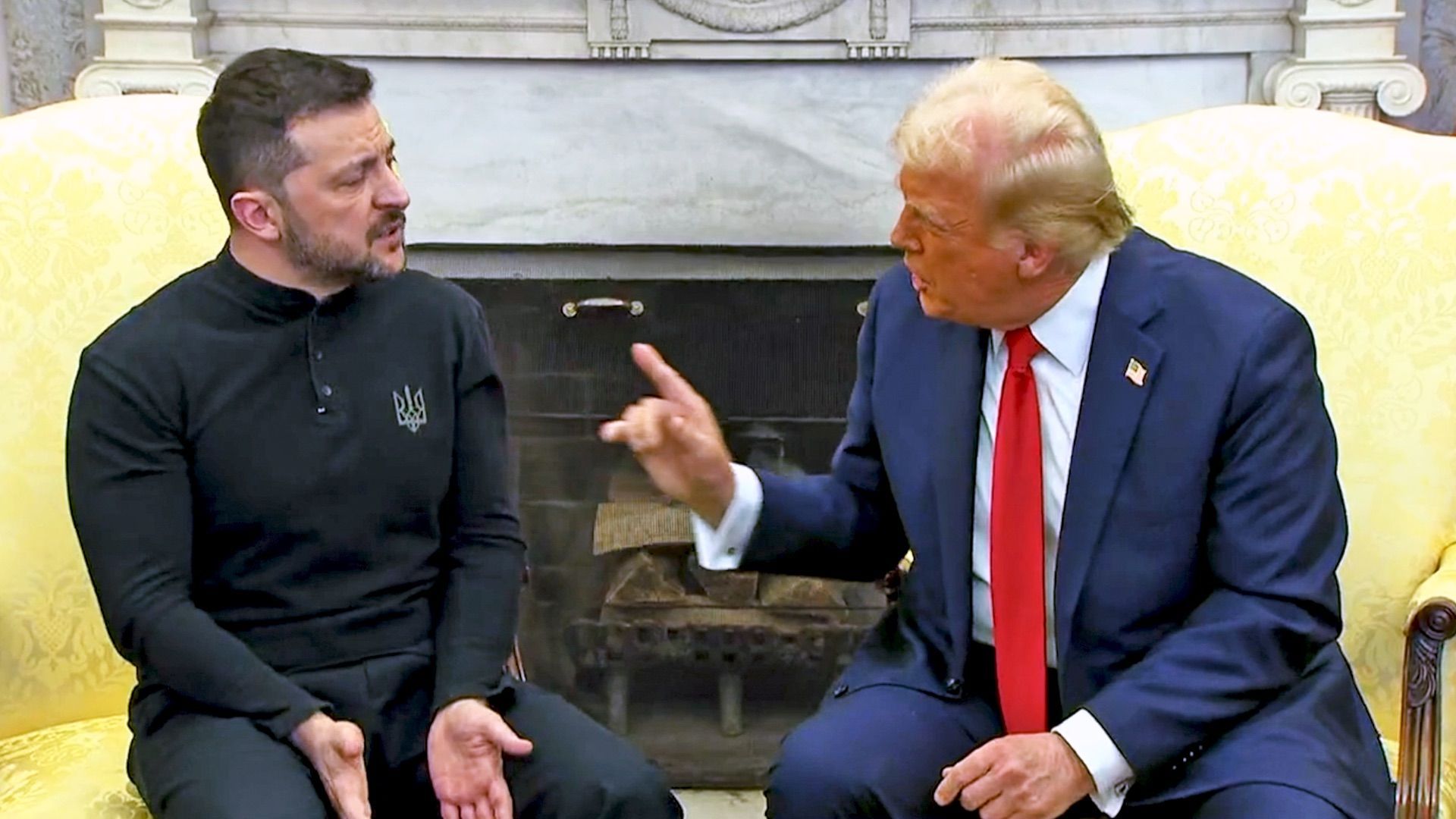
On February 28, 2025, U.S. President Donald Trump and Ukrainian President Volodymyr Zelensky held a meeting in the Oval Office that quickly escalated beyond expectations.
Initially intended to finalize a U.S.-Ukraine minerals agreement, the meeting turned into a highly charged diplomatic confrontation, shedding light on the growing tensions surrounding Ukraine’s ongoing war with Russia. The clash has raised crucial questions about the future of U.S.-Ukraine relations and the broader international response to the Russian invasion
Trump-Zelensky Meeting Turns Heated
What began as a diplomatic negotiation aimed at strengthening economic and defense ties between the U.S. and Ukraine soon devolved into a contentious exchange. According to reports from the meeting, President Trump criticized Zelensky for not fully appreciating U.S. military and financial assistance, which has been a cornerstone of Ukraine’s defense against Russia.
The U.S. president made bold remarks accusing Zelensky of mishandling the situation, stating that his approach could "gamble with World War III" and that Ukraine's leverage in the talks was minimal (The Washington Post, 2025).
As the exchange grew increasingly tense, the two leaders clashed over the specifics of Ukraine’s position in the ongoing peace talks with Russia. Trump expressed frustration with Ukraine’s failure to pursue a more aggressive peace strategy, which he suggested could expedite an end to the war. In response, Zelensky defended his nation’s stance, emphasizing the importance of continued resistance against Russian aggression.
Ultimately, the meeting was abruptly cut short, and a planned press conference was canceled. The fallout from this diplomatic breakdown has raised serious concerns about the future of Ukraine’s relationship with the U.S., particularly regarding military aid and the previously anticipated mineral agreement (Reuters).
Global Reactions to the Trump-Zelensky Confrontation
The fallout from the meeting was swift and divisive. European leaders, particularly those from France and Germany, quickly expressed their support for Zelensky. French President Emmanuel Macron and German Chancellor Olaf Scholz reaffirmed their commitment to Ukraine in the face of Russian aggression, stating that Ukraine would continue to receive backing from the European Union. "We stand with Ukraine," Macron said, calling for greater European unity in the face of Russian threats (BBC).
Conversely, Russian officials took a different view, praising Trump’s blunt approach. Kremlin spokesperson Dmitry Peskov described the meeting’s outcome as a diplomatic victory, suggesting that it marked a shift in Ukraine’s global standing and its ability to secure future support (TASS).
In the United States, reactions were polarized. Many Republicans rallied behind Trump, agreeing with his tough stance on Ukraine. Republican Senator Lindsey Graham remarked that Zelensky’s approach was "too bold" and needed recalibration. On the other hand, Democrats expressed alarm at the outcome, with Senator Chuck Schumer arguing that Trump’s actions had put U.S. credibility at risk on the world stage (CNN, 2025).
Implications for U.S.-Ukraine Relations and the Mineral Deal
Perhaps the most significant consequence of the meeting was the cancellation of the U.S.-Ukraine mineral agreement, which had been intended to bolster Ukraine’s economy and provide critical resources to aid in its defense against Russia.
The agreement, which had been under negotiation for months, was seen as a strategic step in strengthening Ukraine’s economic and military capabilities. However, with tensions at an all-time high, the deal now faces serious uncertainty (The New York Times).
The cancellation of the agreement has raised concerns about the future of U.S. military aid to Ukraine. While the U.S. has been a key ally in supporting Ukraine’s defense efforts, this latest confrontation has raised doubts about whether the current administration will maintain its commitment to Ukraine’s sovereignty. The international community, particularly in Europe, is now watching closely to see whether the U.S. will continue to provide the same level of support that Ukraine has relied upon.
Trump-Zelensky Meeting: What Was Discussed and Why It Matters
The U.S.-Ukraine mineral agreement was initially a focal point of the meeting. The deal had the potential to provide Ukraine with valuable resources, bolstering its economy and defense efforts. However, the exchange between Trump and Zelensky soon veered into a broader discussion about the future of the war with Russia.
Trump, who has often expressed frustration with U.S. involvement in overseas conflicts, suggested that Zelensky’s demands were unrealistic and that peace talks with Russia should take precedence over further military escalation (Associated Press, 2025).
This clash over strategy was emblematic of the broader geopolitical tension surrounding the conflict in Ukraine. With Trump’s apparent disinterest in continuing the current level of U.S. support for Ukraine, many are questioning the future trajectory of American foreign policy in the region.
As the war with Russia drags on, the U.S. faces pressure from both domestic and international sources to reexamine its position and reassess its role in the conflict (Foreign Policy).
What’s Next for U.S.-Ukraine Relations?
The fallout from this high-profile meeting has left the future of U.S.-Ukraine relations in doubt. While some analysts suggest that the confrontation may lead to a reevaluation of U.S. commitments to Ukraine, others believe that the meeting may simply be a temporary setback in an otherwise solid partnership.
As the international community continues to monitor the situation, the ramifications of this diplomatic clash will undoubtedly play a significant role in shaping the geopolitical landscape moving forward.
As the situation unfolds, global leaders will be watching closely to see how both the U.S. and Ukraine respond to the growing tensions. With the outcome of this diplomatic confrontation still uncertain, the future of U.S. foreign policy, particularly in Europe and Eastern Europe, remains in the balance.
The February 28 meeting between President Trump and President Zelensky marked a dramatic shift in U.S.-Ukraine relations, as tensions flared over the ongoing conflict with Russia.
What began as a routine discussion about a mineral deal quickly turned into a diplomatic clash, leaving the future of U.S. support for Ukraine in question. As global reactions continue to pour in, it remains to be seen whether this confrontation will have lasting consequences for U.S.-Ukraine relations and the broader international community.






0 comments